
Best dog shampoo for itchy skin choices usually come down to one thing: what’s actually causing the itch, and what your dog’s skin can tolerate without getting drier. If you pick a shampoo that fights the wrong problem, you often get a short “clean” feeling and then more scratching a day later.
Itchy skin can be seasonal, diet-related, allergy-driven, or tied to yeast, bacteria, parasites, or just over-bathing. The tricky part is that many shampoos market “soothing” while still containing fragrance, harsh surfactants, or essential oils that some dogs react to.
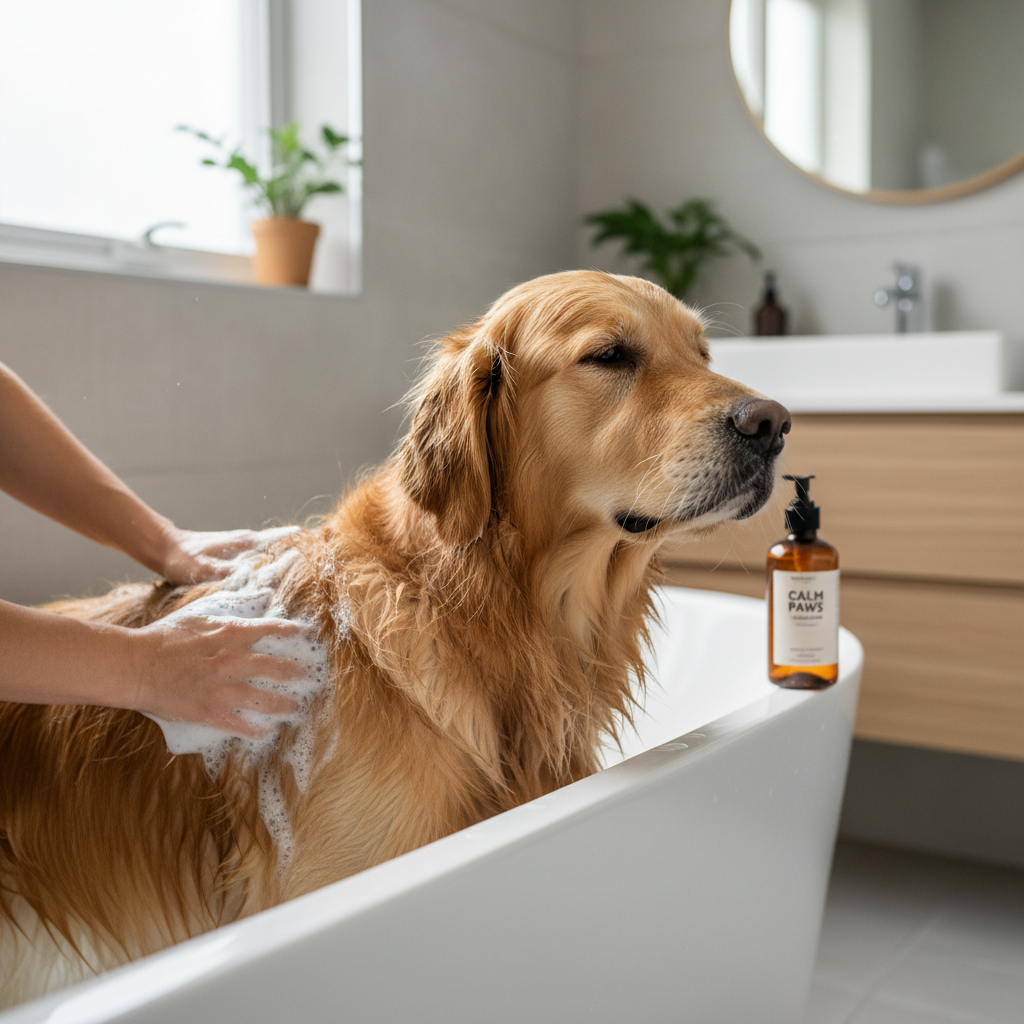
This guide helps you sort itch types, read labels like a realist, and choose a formula that fits your dog’s situation in 2026. You’ll also get a simple bathing routine, a comparison table, and clear “when to stop DIY and call the vet” lines.
What “itchy skin” usually means (and why shampoo choice changes)
When people search for the best dog shampoo for itchy skin, they often mean “my dog won’t stop scratching.” But itching is a symptom, not a diagnosis, so shampoo should match the likely trigger.
- Dry, flaky skin: often worsens after frequent baths, cold weather, or strong degreasers.
- Allergy itch (environmental or food): paws, belly, armpits, ears often involved, shampoo helps remove allergens but won’t fix the root.
- Yeast overgrowth: musty smell, greasy coat, reddish skin, recurring ear issues, needs antifungal support.
- Bacterial infection: pimples, crusts, hot spots, can need antiseptic shampoo plus veterinary guidance.
- Parasites: fleas/mites can mimic allergies, shampoo alone usually isn’t the main solution.
According to the American Veterinary Medical Association (AVMA), skin problems are a common reason dogs visit veterinarians, and persistent itching can signal infections or allergies that may require professional treatment.
Ingredient reality check: what tends to help vs. what often backfires
Label-reading matters more than brand names. Many dogs with sensitive skin do better with simpler formulas and fewer scent additives, even if the bottle looks less exciting.
Ingredients that often help itchy, sensitive skin
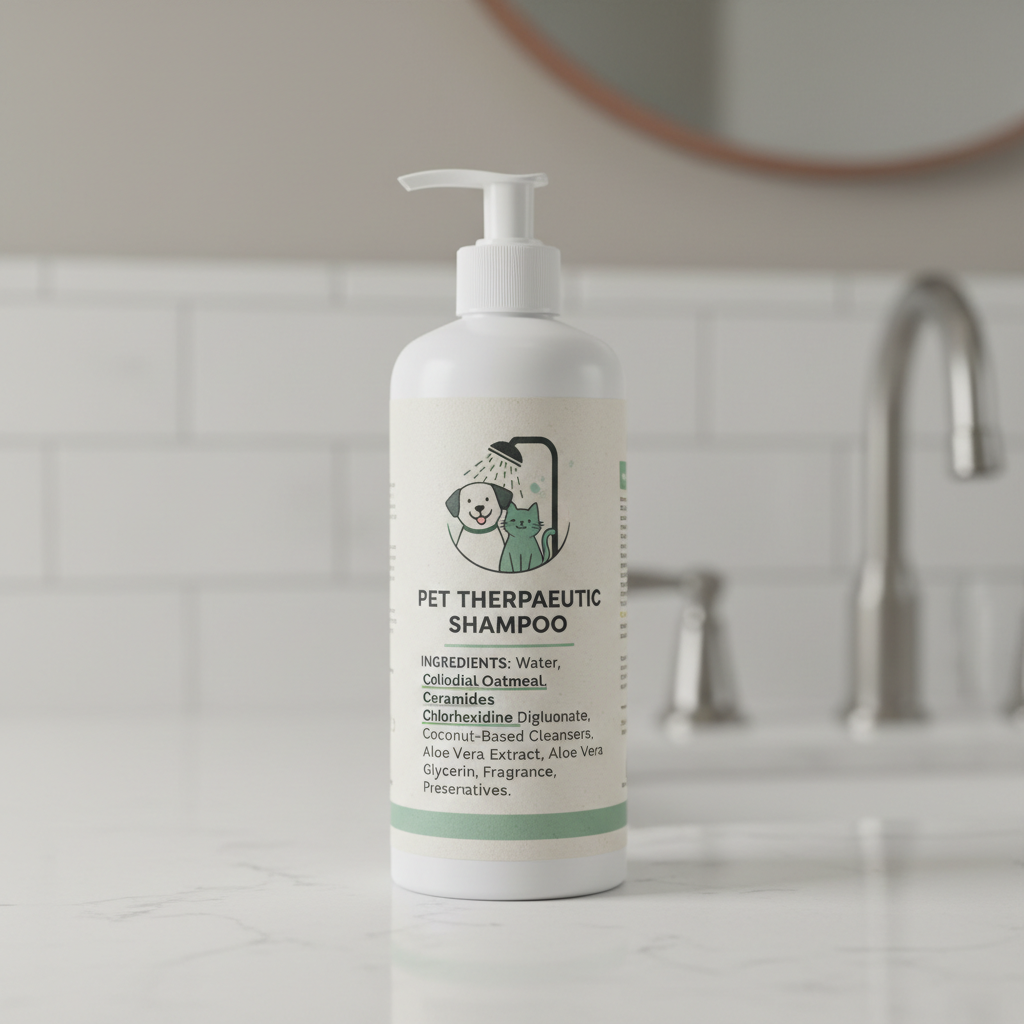
- Colloidal oatmeal for soothing and moisture support, especially for dry or allergy-prone skin.
- Ceramides to support the skin barrier, useful when skin feels “thin,” dry, or easily irritated.
- Aloe vera in moderate amounts, calming for mild irritation, though some dogs can be sensitive.
- Glycerin and other humectants that reduce post-bath tightness.
- Chlorhexidine (antiseptic) for bacterial or mixed infections, often used in veterinary dermatology products.
- Miconazole/ketoconazole (antifungal) for yeast-related itch, typically best used with vet input.
Things that commonly cause setbacks
- Heavy fragrance or strong deodorizing perfumes, can trigger more itching in reactive dogs.
- Essential oils marketed as “natural,” which can still irritate skin and can be risky if misused.
- Harsh degreasers that strip oils fast, leaving the skin barrier worse off after the bath.
- Human shampoo with different pH and surfactant systems, often too aggressive for dogs.
Quick self-check: which shampoo type fits your dog right now?
If you want the best dog shampoo for itchy skin for your situation, use this quick sorting checklist before you buy. It’s not a diagnosis, just a practical way to avoid the most common mismatches.
- Mostly dry flakes, no odor: start with oatmeal + ceramides or a gentle moisturizing shampoo.
- Itch spikes after walks or lawn time: consider hypoallergenic, fragrance-free, and rinse strategy after outdoor exposure.
- Greasy coat + musty smell: consider antifungal/antiseptic options, and talk with a vet if it’s recurring.
- Red bumps, scabs, or hot spots: antiseptic shampoo may help, but infections often need vet-guided plans.
- Intense itch at tail base, flea dirt visible: focus on flea control; shampoo can be supportive, not the core fix.
- New shampoo made it worse within 24–48 hours: stop, rinse well, switch to simpler formula, consider vet advice.
Key point: if your dog’s skin looks angry, wet, or painful, “soothing” washes can be too slow, and delaying care can let infections spread.
Comparison table: common shampoo categories for itchy skin (2026)
There isn’t one universal winner. The “best” option depends on whether you need moisturizing support, allergen removal, or antimicrobial action.
| Shampoo category | Best for | What to look for | Common mistakes |
|---|---|---|---|
| Oatmeal soothing | Dry itch, mild allergy itch | Colloidal oatmeal, glycerin, low fragrance | Expecting it to fix infections |
| Barrier repair | Chronic sensitive skin, frequent bathing | Ceramides, fatty acids, gentle surfactants | Skipping conditioner when coat is long |
| Hypoallergenic / fragrance-free | Reactors, mystery itch | Short ingredient list, no dyes/perfume | Using very hot water or long soak time |
| Antiseptic (chlorhexidine) | Bacterial, mixed infections (vet often involved) | Chlorhexidine % listed, contact time instructions | Rinsing too fast, inconsistent schedule |
| Antifungal (miconazole/ketoconazole) | Yeast patterns, greasy odor | Antifungal active + directions for use | Stopping early when smell improves |
How to bathe for itch relief (the part most people underdo)
Even the best dog shampoo for itchy skin can disappoint if the routine strips skin oils or leaves residue behind. Technique matters, and it’s usually fixable.
A simple, low-irritation bathing routine
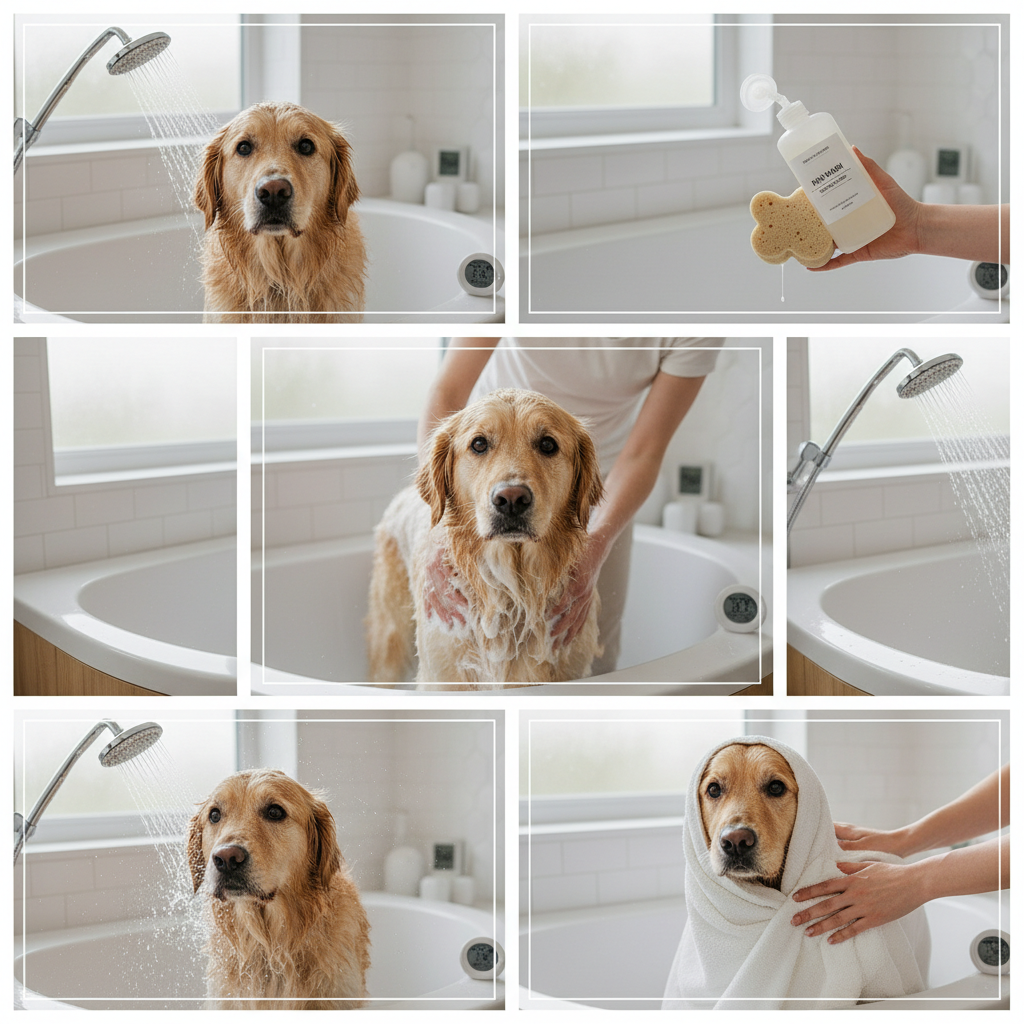
- Brush first so shampoo contacts skin instead of sitting on mats.
- Use lukewarm water, hot water tends to make post-bath itch worse.
- Pre-dilute shampoo when directions allow, it spreads evenly and rinses cleaner.
- Massage to skin, especially belly, armpits, paws, and base of tail.
- Respect contact time on medicated formulas, many need several minutes to work.
- Rinse longer than you think, residue can cause itching that looks like “allergy.”
- Dry gently, towel blot and low-heat air, avoid rubbing irritated spots.
If the itch is allergy-leaning, some dogs benefit from “rinse strategy”: a quick paw and belly rinse after outdoor time, plus full shampoo bath less often. This reduces allergen load without over-washing.
Practical picks: how to choose without chasing “the one best” bottle
In 2026, the market is crowded, and marketing terms like “vet approved” or “natural” can be vague. Instead of hunting a single holy-grail product, choose a category and then narrow by tolerability and your dog’s coat needs.
- Start simple when unsure: fragrance-free, gentle base, optional oatmeal, then reassess in 1–2 weeks.
- If odor + grease shows up: consider medicated options, and ask your vet about active ingredients and schedule.
- If your dog needs frequent baths: barrier-support formulas often outperform “extra strong cleaning.”
- If you have a long coat: a compatible conditioner can reduce friction itch from tangles, but keep it off actively inflamed areas.
Key takeaway: the best purchase is the one you can use consistently without flare-ups, not the most “powerful” formula on the shelf.
Common mistakes that keep the itch cycle going
- Bathing too often with a stripping shampoo, then trying to “treat dryness” afterward.
- Switching products every few days, you lose the signal of what helped and what irritated.
- Ignoring ears and paws, many itchy dogs have these as the real hot zones.
- Using flea shampoo as the main flea plan, modern flea control usually relies on vet-recommended preventives.
- Not cleaning bedding, allergens and yeast can re-contact skin after a good bath.
According to the American Kennel Club (AKC), skin issues can have multiple causes, so a single “soothing” step may not resolve the problem if infection or allergies are driving it.
When it’s time to call your vet (and what to ask)
Home care is reasonable for mild, occasional itch, but certain signs suggest you need professional help. This is where choosing the best dog shampoo for itchy skin turns into choosing the right medical plan.
- Urgent-ish signs: open sores, oozing, strong odor, swelling, obvious pain, or sudden hair loss.
- Pattern signs: recurring ear infections, repeated hot spots, itch lasting more than 2–3 weeks.
- Whole-dog signs: lethargy, poor appetite, feverish behavior, widespread redness.
Helpful questions to bring up include: whether cytology (looking at skin cells under a microscope) makes sense, whether yeast or bacteria is present, what contact time and frequency to use for medicated baths, and whether diet trials or allergy management should be part of the plan.
Conclusion: a calm-skin plan beats a miracle bottle
The best dog shampoo for itchy skin is the one that matches the itch pattern, avoids common irritants, and fits a routine you can repeat without drying your dog out. If you do one thing today, stop guessing and sort the itch into “dry,” “allergy,” or “infection-leaning,” then pick a shampoo category that aligns with that.
If symptoms escalate or keep cycling back, treat that as useful information rather than a failure, it often means the underlying driver needs a vet-guided plan, not another random bottle.