
Dog paw balm for dry paws is often the simplest way to protect rough, cracked paw pads after outdoor walks, especially when sidewalks, trails, or winter salt start taking a toll.
If your dog licks paws, hesitates on hard ground, or leaves tiny flakes on the floor, you’re not overthinking it, paw pad dryness can be uncomfortable and sometimes turns into painful cracks.
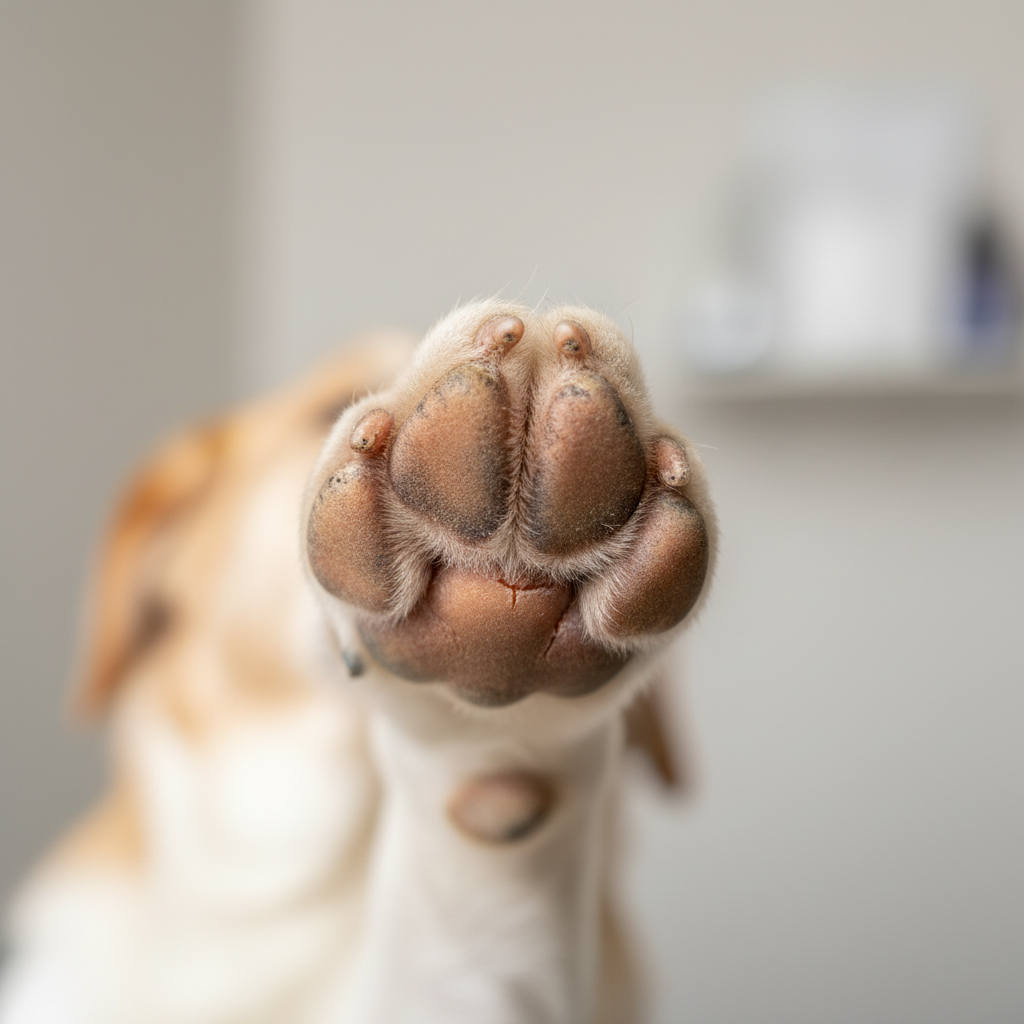
This guide focuses on what usually causes dry, cracked paws outdoors, how to tell when a balm is enough versus when something else is going on, and how to apply it so it actually works instead of getting licked off in 30 seconds.
Why outdoor time dries and cracks paw pads
Paw pads are tough, but they’re still living skin, they can lose moisture, get abraded, and react to irritants. Outdoors is where most of that damage stacks up.
- Hot pavement and rough terrain: Asphalt, gravel, and rocky trails can create micro-abrasions that feel minor until they accumulate.
- Winter salt and de-icers: These can irritate skin and pull moisture out. According to the ASPCA, ice melt products can be irritating to paws and may cause problems if licked off.
- Sand and dust: Fine grit works like sandpaper between toes, plus it dries the skin surface.
- Frequent rinsing: Washing paws is smart, but frequent soap use or hot water can dry pads faster than you’d expect.
- Low humidity and indoor heating: Even if the cause started outside, dry indoor air often keeps paws from recovering.
Quick self-check: is it simple dryness or something more?
Before you reach for a balm, it helps to name what you’re seeing. “Dry paws” can mean a few different things, and the fix changes.
Signs that often respond well to a balm
- Dull, slightly rough pads
- Light flaking, no bleeding
- Minor surface cracks that don’t split open
- Mild tenderness but still walking normally
In these cases, a dog paw balm for dry paws plus basic protection habits is usually a reasonable first step.

Red flags that need extra caution
- Deep cracks, bleeding, or visible raw tissue
- Swelling, heat, or a strong odor
- Persistent limping, refusing walks, or yelping
- Heavy licking or chewing that doesn’t stop after cleaning
- Red bumps, pus, or redness between toes
These can point to infection, allergies, burns, foreign objects, or other issues. A balm might still be part of care, but it’s safer to get guidance from a veterinarian, especially if symptoms last more than a day or two.
Choosing a paw balm: what matters (and what’s marketing)
Most balms aim to do two things, moisturize and create a protective barrier. The “best” choice depends on your dog’s habits, your climate, and whether licking is an issue.
Ingredient and use-case guide
| What you want | Why it helps | When it’s most useful |
|---|---|---|
| Occlusive barrier (wax-like texture) | Helps lock moisture in and reduce friction | Snow, salted sidewalks, rough trails |
| Moisturizing oils/butters | Softens rough pads and supports recovery | Chronic dryness, indoor heating season |
| Fast-absorbing formula | Less slippery, less tracking on floors | Daily maintenance, dogs that hate sticky paws |
| Lick-resistant approach (timing + socks) | Lets the product sit long enough to work | Dogs that immediately lick anything applied |
One practical note: if your dog has a history of skin sensitivities, keep it simple. Fewer ingredients often means fewer surprises, though reactions can still happen, so start with a small amount.
How to apply paw balm so it actually works outdoors
Application is where most people get frustrated. The balm isn’t failing, it just isn’t staying in contact with the pad long enough.
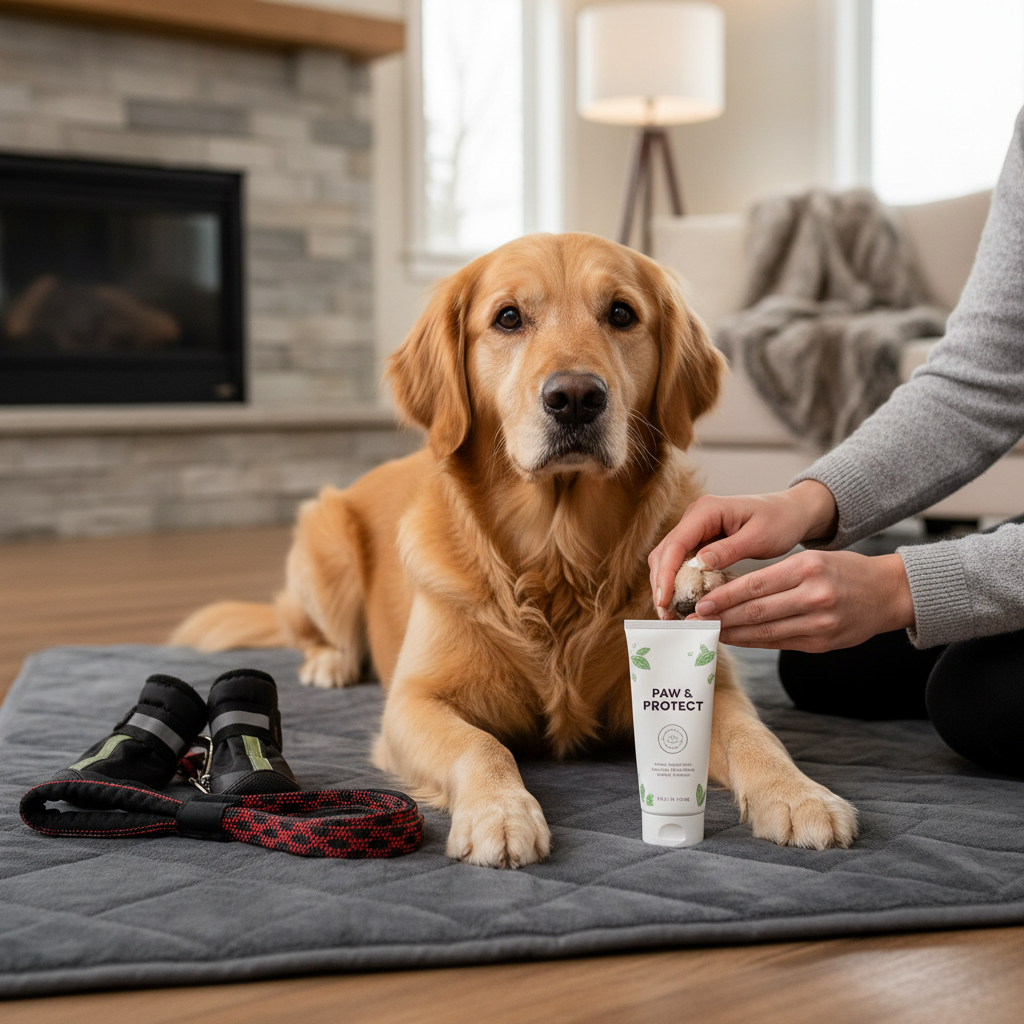
- Step 1: Clean and dry the paws, rinse off salt or grit, then fully towel-dry, balm over damp fur tends to smear.
- Step 2: Use less than you think, a thin layer is easier to absorb and less tempting to lick.
- Step 3: Massage into pads and the edges where cracks start, avoid packing product between toes unless the label suggests it.
- Step 4: Create “set time”, distract with a chew, meals, or training for 5–10 minutes.
- Step 5: For outdoor protection, apply 10–15 minutes before the walk when possible, or use dog booties on extreme days.
If you’re using a dog paw balm for dry paws mainly for recovery, bedtime application often works better because licking and walking are lower.
Outdoor-specific routines (summer heat, winter salt, trails)
Dryness outdoors tends to be seasonal. Matching your routine to conditions usually beats constantly switching products.
Hot pavement and summer hiking
- Walk early morning or later evening when pavement cools.
- Test the ground with your hand for a few seconds, if it’s uncomfortable for you, it can be too hot for pads.
- Use balm after walks to support recovery, consider booties for long hikes.
Winter, salt, and ice melt
- Before the walk, apply a thin barrier layer or use booties.
- After the walk, rinse paws, especially between toes, then dry thoroughly.
- If skin looks irritated, pause scented products and keep the routine gentle.
Sand, desert dust, and rough trails
- Trim excess fur between paw pads so grit doesn’t get trapped.
- Check for tiny stones, burrs, or foxtails after every outing.
- Rotate surfaces during walks, not every mile has to be gravel.
Common mistakes that keep paws cracked
Many “my dog’s paws won’t heal” situations come down to a few predictable issues.
- Over-washing with shampoo: a gentle rinse is often enough, reserve soap for truly dirty paws.
- Applying balm to wet paws: moisture plus product can trap grime and cause slipping.
- Ignoring licking: if your dog licks immediately, you might need socks, an e-collar, or a different application time.
- Skipping paw checks: a small cut or thorn can look like “dryness” until it worsens.
- Expecting overnight repair: superficial dryness can improve quickly, deeper cracks typically need more time and less abrasion.
Also worth saying: if cracks keep returning in the same pattern, it may not be “just weather.” Allergies, hormone issues, or immune skin conditions can show up on paws, so it’s fine to ask your vet for a broader look.
When to talk to a vet (and what to bring up)
If you see bleeding, swelling, discharge, or limping, it’s reasonable to seek veterinary advice sooner rather than trying to power through with a topical product.
- Symptoms lasting more than 48–72 hours despite basic care
- Cracks that open every walk
- Redness between toes with frequent licking, which can suggest allergy or infection
- Suspected chemical exposure from de-icers or cleaning agents
According to the American Veterinary Medical Association (AVMA), pet owners should contact a veterinarian or animal poison control if they suspect exposure to potentially toxic substances, this is especially relevant when paws contact chemicals and dogs then lick them.
Key takeaways for dry, cracked outdoor paws
- Match the fix to the cause, barrier protection for salt and rough terrain, recovery care after heat and abrasion.
- Use a thin layer and create “set time” so the product can do its job.
- Rinse off irritants, dry thoroughly, then moisturize, that order matters.
- Deep cracks, bleeding, swelling, or strong odor deserve a vet check.
Dry paws tend to improve when you combine a sensible balm routine with small outdoor adjustments, timing walks better, rinsing salt fast, and checking paws like it’s part of taking the leash off. If you want an easy next step, pick one application time you can stick to for a week, then reassess whether cracks look calmer and your dog walks more confidently.
FAQ
- How often should I use dog paw balm for dry paws?
Many owners start with once daily for recovery, then shift to a few times per week for maintenance, but it depends on weather and how quickly paws get rough. If the paws look greasy all day, you can usually use less product rather than applying more often. - Can I put paw balm on before every walk?
For winter salt or abrasive terrain, pre-walk use can help, as long as you apply a thin layer and give it a few minutes to set. If your dog slips on floors afterward, pre-walk application outdoors or using booties may be easier. - My dog keeps licking the balm off, what can I do?
Try bedtime application, reduce the amount, and add a short distraction window. If licking becomes intense or obsessive, it may signal irritation or allergy, which is worth discussing with a veterinarian. - Is cracking always from dryness?
No, cracks can come from heat, friction, salt irritation, minor cuts, or underlying skin issues. If the same cracks recur despite consistent care, consider a vet visit to rule out infection or allergy. - Should I use booties instead of balm for outdoor protection?
Booties can be great for extreme heat, heavy salt, or long trail days, while balm supports skin comfort and recovery. Many dogs do best with both, booties when conditions are harsh, balm when paws need maintenance. - What if the skin between my dog’s toes is red?
Redness between toes often behaves differently than simple pad dryness and can involve yeast, bacteria, or allergies. A balm may not address the cause, so it’s safer to get professional guidance if it persists or smells “yeasty.” - When is a cracked paw an emergency?
Heavy bleeding, severe limping, obvious swelling, or suspected chemical burns deserve prompt veterinary care. If your dog seems unusually lethargic or won’t bear weight, don’t wait it out.
If you’re trying to keep outdoor adventures comfortable without turning paw care into a whole project, a simple routine with a dog-safe balm, quick post-walk rinses, and occasional booties on rough days is usually the most realistic path.