
how to treat cat constipation at home usually comes down to a few practical levers: water intake, the right kind of fiber, movement, and removing common “friction points” like stress or a dirty litter box. The goal is simple, get stool moving without creating dehydration or a painful strain.
If you’re reading this because your cat has not pooped in a day or two, you’re not alone, constipation is a common complaint in U.S. households, especially in indoor cats, seniors, and cats eating mostly dry food. It also tends to sneak up quietly until your cat starts visiting the box repeatedly with little result.
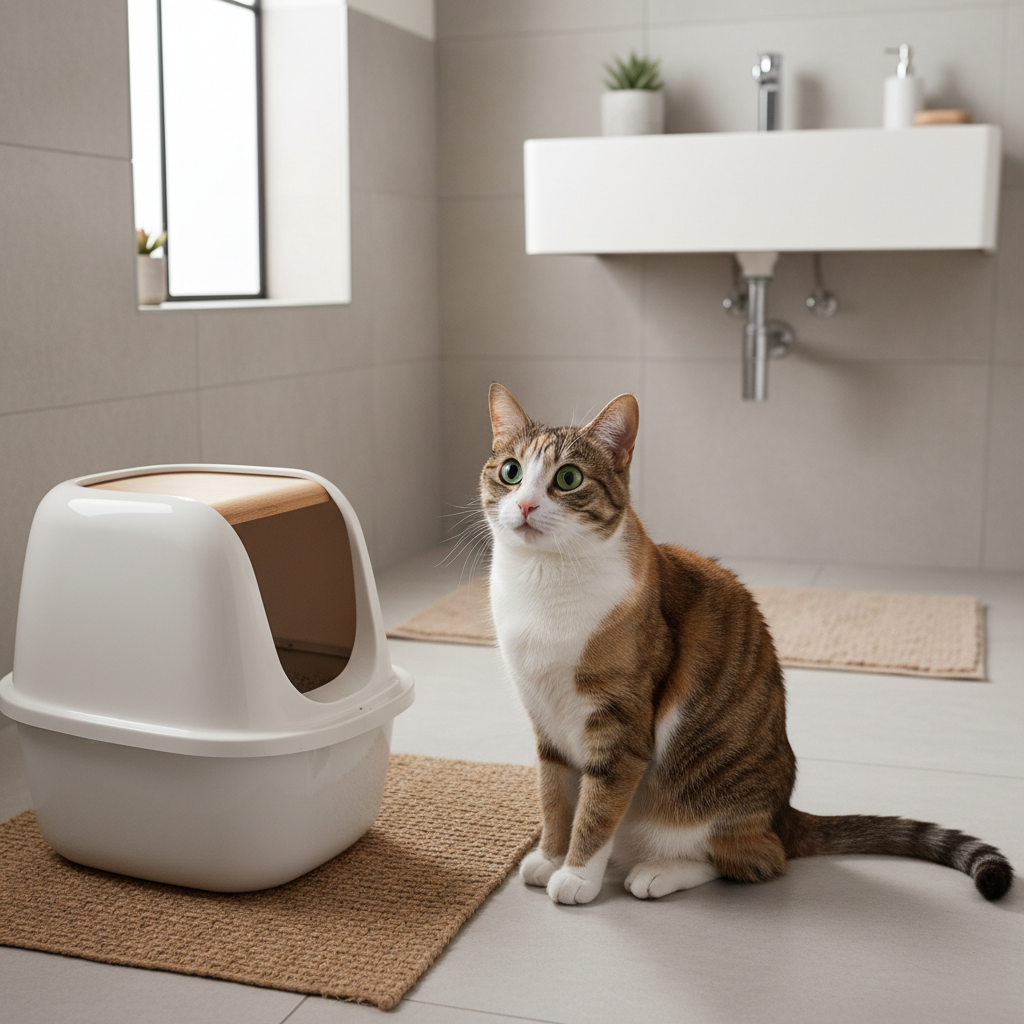
One quick note before we get practical: “natural” does not mean “risk-free.” Some home tricks help many cats, but constipation can also be a sign of dehydration, pain, arthritis, obstruction, or a chronic issue like megacolon. This guide helps you sort the easy fixes from the situations that deserve a vet call.
What constipation looks like in real life (and what it’s not)
Owners often confuse constipation with urinary trouble, and that mix-up can be dangerous. A cat straining in the litter box might be trying to pee, not poop, and urinary blockage is an emergency in male cats.
- Constipation clues: small hard stools, fewer bowel movements, dry stool, straining to pass stool, leaving the box and returning, mild belly discomfort.
- Not constipation: frequent trips with no urine, crying out, licking genitals, lethargy, vomiting. If you suspect urine blockage, seek urgent care.
According to Cornell University College of Veterinary Medicine, constipation is difficult or infrequent defecation, often resulting in dry, hard stools. That plain definition matters because many “natural” solutions aim at moisture first.
Why cats get constipated: the usual suspects
Constipation rarely has just one cause. In many households, it’s a pileup of small issues that finally shows up in the litter box.
- Low water intake: cats on mostly dry kibble often take in less moisture than their bodies prefer.
- Not enough (or wrong) fiber: too little fiber can slow stool, too much can bulk it up and worsen things if hydration is poor.
- Pain and reduced mobility: arthritis, back pain, or obesity can make the “poop posture” uncomfortable, so cats postpone going.
- Stress and routine changes: moving homes, new pets, noisy remodeling, even litter changes can lead to holding it.
- Litter box problems: box too small, too dirty, placed in a high-traffic area, or not enough boxes for multi-cat homes.
- Hair and grooming: hair ingestion can contribute to firm stools in some cats, especially long-haired cats.
- Medical causes: dehydration from illness, kidney disease, pelvic narrowing from old injury, neurologic issues, or foreign body obstruction.
A quick self-check: is it safe to try home care today?
Before you decide how to treat cat constipation naturally, take two minutes to triage. It prevents wasted time, and it protects your cat if something bigger is going on.
Home care is often reasonable if:
- Your cat is bright, eating at least some food, and acting fairly normal.
- They pass a small stool, even if it’s hard.
- No vomiting, no severe lethargy.
- They’re still peeing normally.
- Constipation seems mild and has been under 48 hours.
Call a vet the same day (or go urgent) if you notice:
- No stool for 48–72 hours (especially with discomfort).
- Repeated straining with little or no urine, or crying in the box.
- Vomiting, refusing food, a painful or swollen belly.
- Blood in stool, collapse, or marked lethargy.
- Known history of megacolon or recurrent constipation.
Natural at-home steps that help many constipated cats
Most “natural” constipation plans work by increasing water in the gut and making the litter box easier to use. If you try multiple changes, do it in a controlled way so you can tell what actually helps.
1) Increase moisture, but do it in ways cats accept
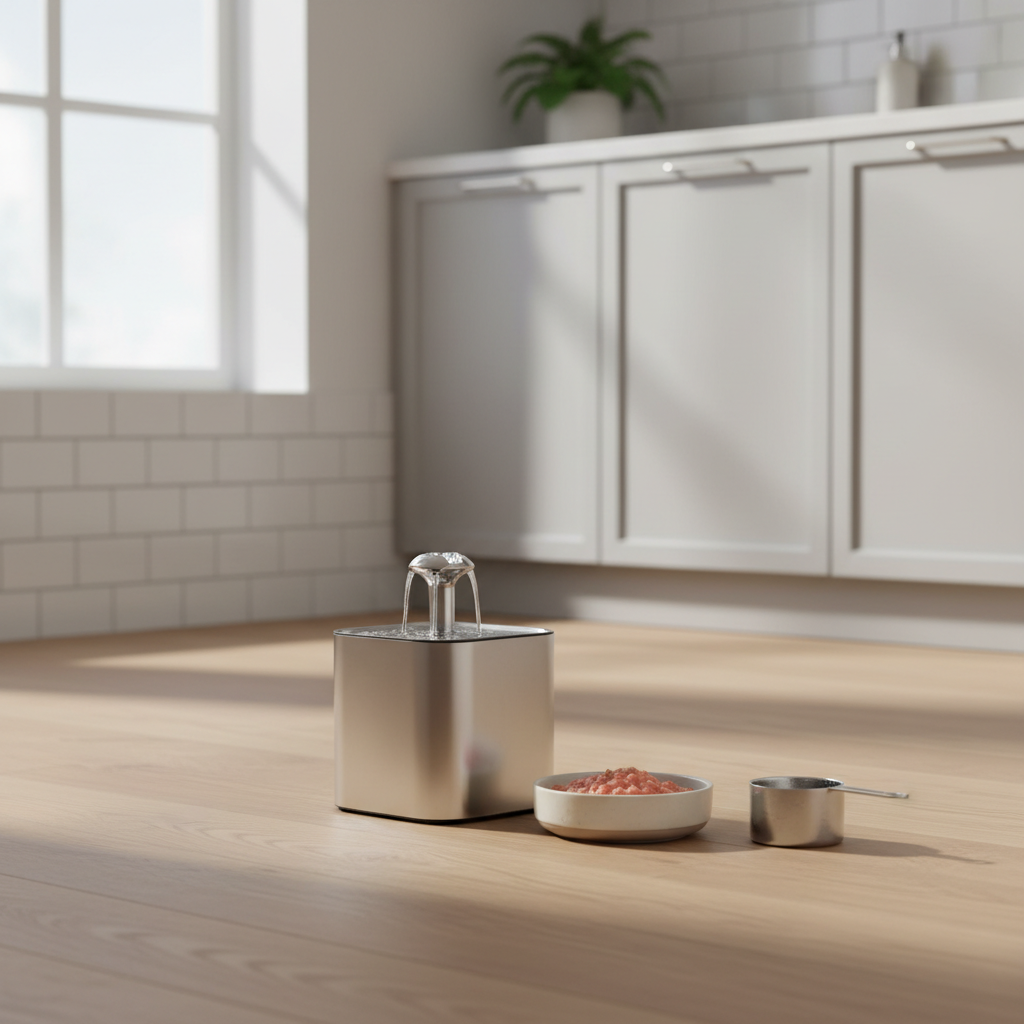
- Shift part of the diet to wet food for a few days. Many cats respond because moisture intake jumps without forcing them to drink.
- Add water or low-sodium broth (onion- and garlic-free) to wet food to make a “stew.”
- Try a water fountain if your cat likes running water.
- Place multiple water bowls away from food and away from the litter box.
According to American Veterinary Medical Association (AVMA), dehydration can contribute to constipation, so improving hydration is a practical first move that fits “natural care” without getting risky.
2) Use gentle, cat-appropriate fiber (small amounts)
Fiber can help stools hold water and move along, but it’s easy to overdo, especially if water intake stays low. Start small and watch the litter box.
- Psyllium husk: many vets use it as a bulk-forming fiber, but dose varies by product and cat size, so ask your veterinarian for a safe starting amount.
- Canned pumpkin (plain): some cats do well with a small spoonful mixed into food, others ignore it. Avoid pumpkin pie filling.
- Cat constipation diets: some commercial foods are formulated for hairball or GI support and may be easier than DIY fiber.
3) Encourage movement and “gut motility” the low-key way
- Two or three short play sessions per day can be enough, wand toys, laser play (finish with a toy “catch”), or food puzzles.
- For seniors, gentle ramp access to favorite spots helps them move more without jumping.
4) Fix the litter box setup, because yes, it matters
Lots of constipated cats are also “holding it,” and holding it dries stool further. Box convenience is a real lever.
- One box per cat, plus one extra is a common rule of thumb.
- Keep boxes scooped daily, some cats refuse a box that feels “used.”
- Consider a lower-entry box for older cats with stiff joints.
- Choose an unscented litter if your cat seems picky or stressed.
What to avoid: common natural remedies that backfire
This is where good intentions cause trouble. If you take one thing from this article, let it be this list.
- Human laxatives without veterinary guidance: some are unsafe for cats or can worsen dehydration.
- Mineral oil by mouth: aspiration risk if it goes into the lungs, many vets discourage it.
- Essential oils: cats metabolize many oils poorly, and exposure can be toxic.
- Too much fiber too fast: can create larger, drier stool if the cat stays under-hydrated.
- Milk as a “laxative”: lactose intolerance can cause diarrhea and dehydration, not the outcome you want.
According to ASPCA, certain essential oils can be toxic to cats, especially with ingestion or concentrated exposure. That’s why “natural” needs a safety filter.
Practical 3-day plan (simple, realistic, and trackable)
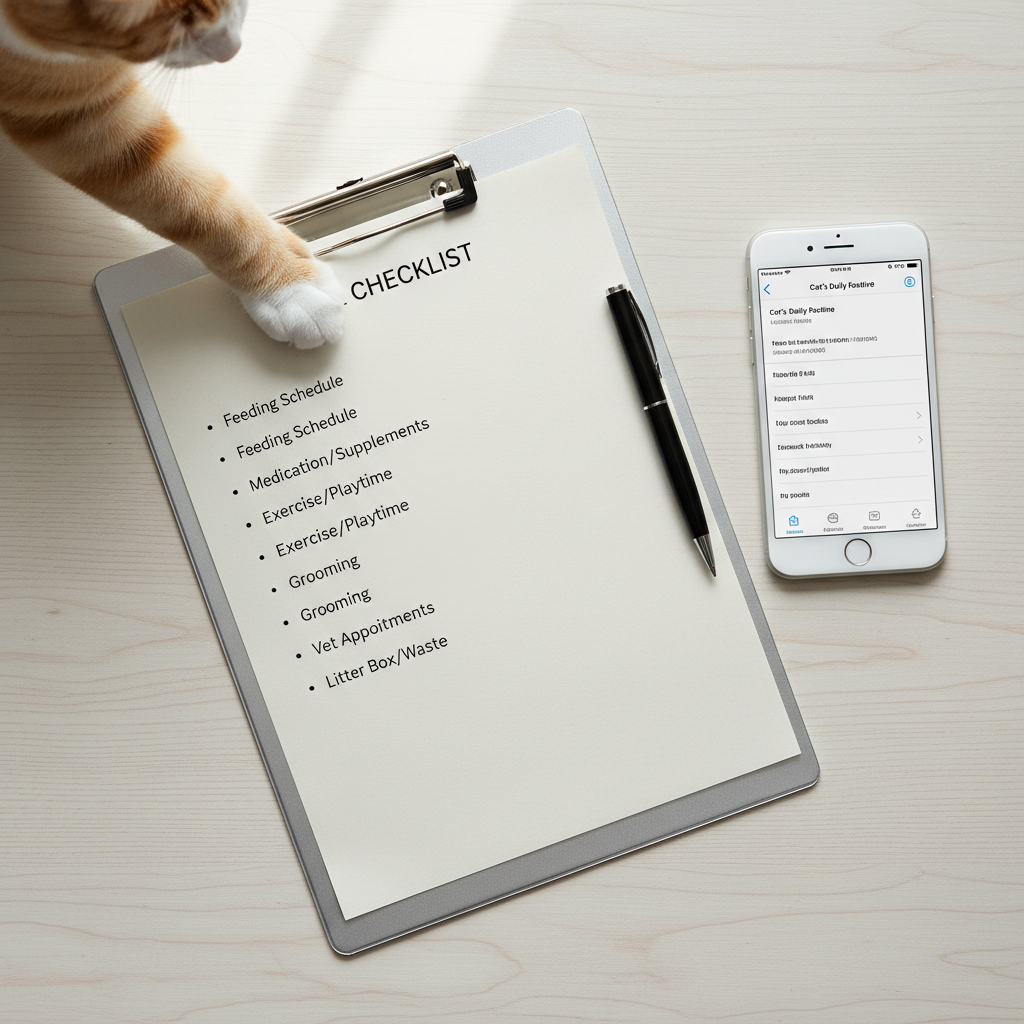
If your cat looks stable and you’re trying home care, a short plan keeps you focused. Track outcomes, not just effort.
Day 1: Hydration + litter box reset
- Feed at least one wet meal, add a little extra water to it.
- Add or refresh water stations, consider a fountain if you have one.
- Scoop boxes, make sure access is easy and private.
- Write down: last stool time, stool size/texture, appetite, energy.
Day 2: Add gentle fiber if needed
- If there’s still no stool, add a small amount of plain pumpkin or ask your vet about psyllium.
- Do two short play sessions to encourage movement.
- Keep wet food going, avoid abrupt diet overhauls beyond moisture.
Day 3: Reassess honestly
- If your cat produces a normal stool and seems comfortable, keep the hydration routine for another week.
- If there’s still no stool, or your cat looks worse, this is the point to call your veterinarian. Home care has likely done what it can.
Quick reference table: natural options vs when they fit
Use this as a fast decision aid, it’s not a substitute for veterinary advice, but it helps you choose the next move without guessing.
| Approach | When it may help | What to watch |
|---|---|---|
| Wet food + added water | Mild constipation, dry stool, kibble-heavy diet | If appetite drops or vomiting starts, call vet |
| More water stations / fountain | Cats that drink poorly from bowls | Monitor urine output, hydration still may be low |
| Plain pumpkin (small amount) | Occasional hard stools | Too much can cause loose stool or gas |
| Psyllium (vet-guided) | Some chronic constipation cases | Must pair with hydration, dose varies |
| Litter box adjustments | Box avoidance, stress, senior cats | Watch for continued straining or pain |
Key takeaways (read this if you’re in a hurry)
- Hydration is usually the safest first lever when you’re trying to treat constipation naturally.
- Small, cat-appropriate fiber can help, but too much can worsen the problem.
- Straining can be constipation or urinary blockage, if you’re not sure, treat it as urgent.
- If there’s no stool after 48–72 hours, or your cat seems unwell, it’s time for a vet visit.
Conclusion: a calm next step beats a big “hack”
how to treat cat constipation in a natural way works best when you keep it boring: add moisture, make the litter box easy, and track whether anything actually changes within a day or two. The moment you see vomiting, marked discomfort, or no progress by day three, stop experimenting and get professional guidance.
If you want one action today, switch to a wetter meal and reset the litter box setup, then monitor closely. Your cat’s comfort, and your peace of mind, usually improves faster when you focus on those basics.
FAQ
How long is too long for a cat to be constipated?
Many vets get concerned when there’s no bowel movement for 48–72 hours, especially if your cat strains or acts unwell. If you’re unsure whether your cat is trying to pee instead of poop, don’t wait.
Can I use olive oil or coconut oil to help my cat poop?
Some people try oils, but results vary and excess fat can upset the stomach. It’s usually safer to focus on moisture and vet-approved options, and ask your veterinarian before adding oils regularly.
Does canned pumpkin really work for cat constipation?
It can help some cats because it adds gentle fiber and moisture, but it’s not magic, and some cats won’t tolerate it. Start small and stop if it causes diarrhea or your cat refuses meals.
Is dry food the reason my cat is constipated?
Dry food isn’t automatically “bad,” but a kibble-heavy diet can make it harder for some cats to stay hydrated. A partial shift to wet food is a common, practical adjustment many owners find helpful.
My cat is straining but nothing comes out, what should I do?
Straining with little output can be constipation, but it can also be a urinary blockage, which is urgent. If your cat is making frequent trips, vocalizing, or producing little to no urine, seek veterinary care right away.
Are hairballs related to constipation?
Sometimes. Hair ingestion may contribute to firmer stools in some cats, but constipation is often more about hydration and motility. If hairballs are frequent, discuss grooming and diet options with your vet.
When do cats need an enema or prescription treatment?
If stool is impacted, constipation keeps recurring, or your cat has conditions like megacolon, home care may not be enough. Enemas and laxatives should be done under veterinary direction because some products are unsafe for cats.
How can I prevent constipation from coming back?
Keep a steady hydration routine, maintain a comfortable litter box setup, and avoid abrupt diet changes. For cats with repeat episodes, a vet can help rule out underlying causes and recommend a long-term plan.
If you’re trying to treat cat constipation naturally but you keep cycling through the same episode every few weeks, it may help to bring a short log to your vet, stool timing, diet, water habits, and any stress triggers, so you can get a plan that fits your cat rather than guessing each time.