
Small dog harness no pull options can make walks calmer, but only if the fit is truly comfortable and the design matches how your dog pulls.
If you’ve tried a harness that “works” but leaves red marks, twists sideways, or turns every walk into a wrestling match, you’re not alone. With small breeds, tiny differences in strap placement and sizing matter more than most people expect.
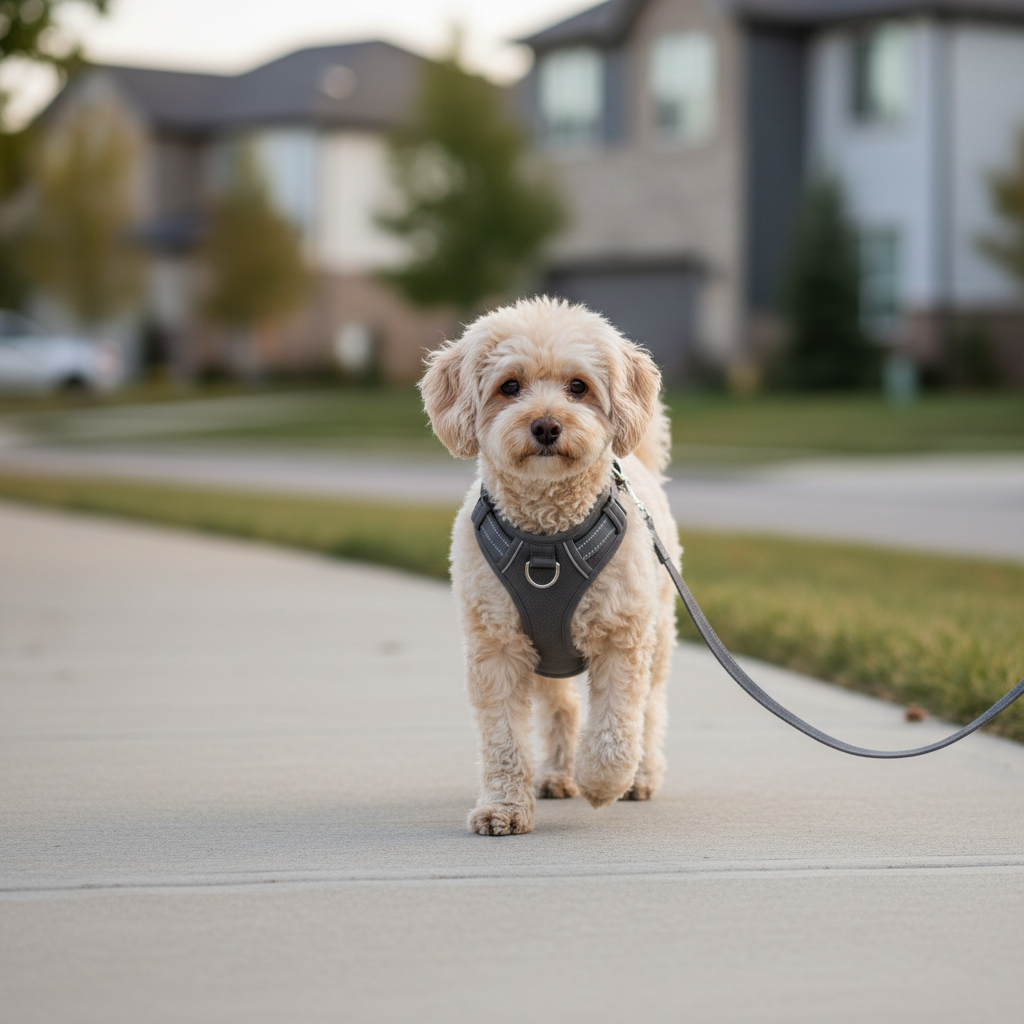
This guide focuses on what actually changes pulling behavior, what keeps a small dog comfortable, and how to tell when a “no-pull” label is mostly marketing. You’ll also get a quick fitting checklist, a comparison table, and practical training tips that work with the harness, not against it.
Why small dogs pull (and why comfort gets ignored)
Pulling usually isn’t “stubbornness,” it’s reinforcement. If your dog leans in, the leash gets tight, and you still move forward, pulling paid off.
For small dogs, comfort issues often show up faster because their bodies are compact and sensitive around the neck, armpits, and chest. A harness that’s only slightly off can rub, restrict shoulder movement, or create pressure points.
- Excitement pulling: high arousal, fast feet, zig-zagging, lots of sniff-and-go.
- Fear pulling: bolting away from sounds, tail tucked, sudden lunges to “escape.”
- Frustration pulling: wanting to greet dogs/people, bouncing at leash end.
- Poor fit: twisting harness, chafing, coughing, or “bunny hopping.”
According to the American Kennel Club (AKC), harnesses can be a good choice for dogs prone to tracheal pressure, which is a common concern in many small breeds. That doesn’t mean every harness is automatically safer, it means fit and design choice matter.
What “no-pull” really means in a small dog harness
A no-pull harness doesn’t magically stop pulling. It changes leverage and redirects force, so pulling becomes less effective and easier for you to manage.
Common no-pull designs (what to expect)
- Front-clip (chest D-ring): when your dog pulls, their body tends to rotate slightly toward you, reducing forward drive. This is often the most useful style for teaching loose-leash walking.
- Dual-clip (front + back): gives you options; many people use a leash with two clips for more control while training.
- Back-clip only (not truly no-pull): can be comfortable and secure, but for many dogs it allows stronger pulling, especially if your dog already leans into pressure.
- Martingale-style harness (limited tightening): may reduce backing out; needs careful fitting to avoid discomfort.
If your small dog is a serious puller, a small dog harness no pull setup usually performs better with a front clip, plus a plan to teach what you want instead.
Comfortable fit: the features that matter most
Comfort isn’t “extra,” it’s the difference between a harness your dog accepts and one they fight. For small dogs, prioritize these features.
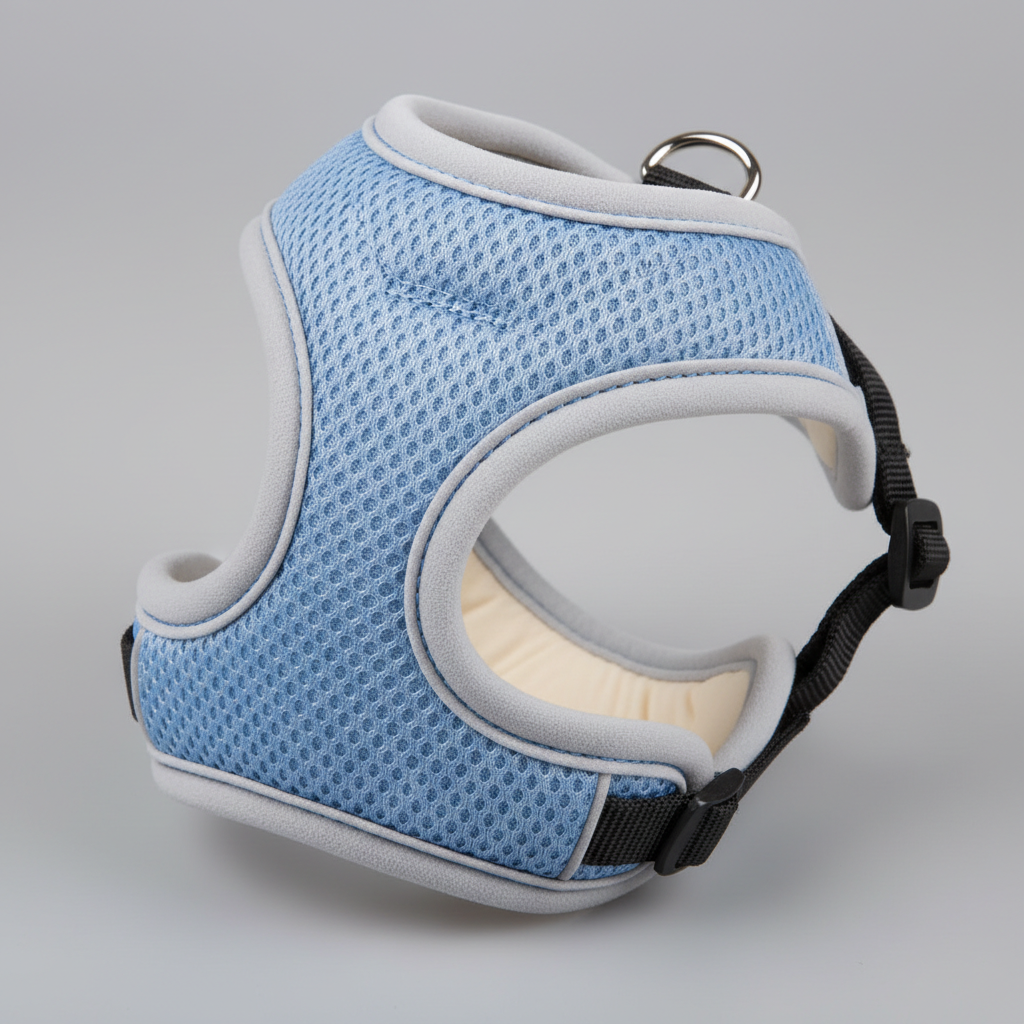
- Y-shaped front (often): tends to leave shoulder joints freer than some straight-across designs, though fit still decides comfort.
- Soft edge binding: reduces rubbing behind the front legs where small dogs commonly chafe.
- Chest panel that sits on bone, not throat: pressure should land on the chest, not ride up into the neck.
- Adjustability in multiple points: at least neck and girth; three or four adjustment points is often easier to dial in.
- Lightweight hardware: bulky buckles can bounce on a small frame and create hotspots.
- Breathable lining: especially for warm states or thick-coated breeds, moisture and heat can increase irritation.
If your dog has very fine coat, short coat, or sensitive skin, consider adding a thin undershirt for friction, but check overheating in warm weather.
Quick self-check: is your harness fit helping or making it worse?
Do this check at home before you blame your dog’s behavior. A good no-pull design still fails with a sloppy fit.
- Two-finger rule: you can slide two fingers under straps, but the harness still feels stable when you gently tug the leash.
- Chest strap position: sits low enough on the chest to avoid the throat, not creeping up when your dog pulls.
- Armpit clearance: strap sits a bit behind the front leg, not cutting into the “pit” area with each step.
- No twisting: if the harness rotates sideways easily, the girth strap may be too loose or the chest panel shape may not match your dog.
- Normal gait: your dog can walk without shortened steps, hopping, or shoulder restriction.
- Skin check after walks: look for redness, hair breakage, or damp spots where friction builds.
If you see coughing, gagging, limping, or persistent rubbing, stop using the harness and consider asking a veterinarian or a qualified trainer for guidance, since discomfort and medical issues can look similar on a quick walk.
Choosing the right style: a practical comparison table
Here’s a quick way to match the harness style to your actual situation, not just the product label.
| Harness style | Best for | Watch-outs | Comfort notes for small dogs |
|---|---|---|---|
| Front-clip no-pull | Teaching loose-leash walking, mild to moderate pullers | Can tangle if leash handling is sloppy | Look for padded chest and good armpit clearance |
| Dual-clip (front + back) | Training phases, extra control without harsh tools | Heavier hardware on tiny bodies | Choose lightweight rings and narrow, soft straps |
| Back-clip comfort harness | Already polite walkers, seniors, very anxious dogs | Often encourages pulling in strong pullers | Usually very comfy when fitted well |
| Escape-resistant (3-strap) | Houdini dogs who back out | More straps = more fit complexity | Great security, but must avoid rubbing and overheating |
How to use a no-pull harness so it actually reduces pulling
A small dog harness no pull works best when you pair it with consistent walking rules. You don’t need fancy training language, you need timing and repetition.
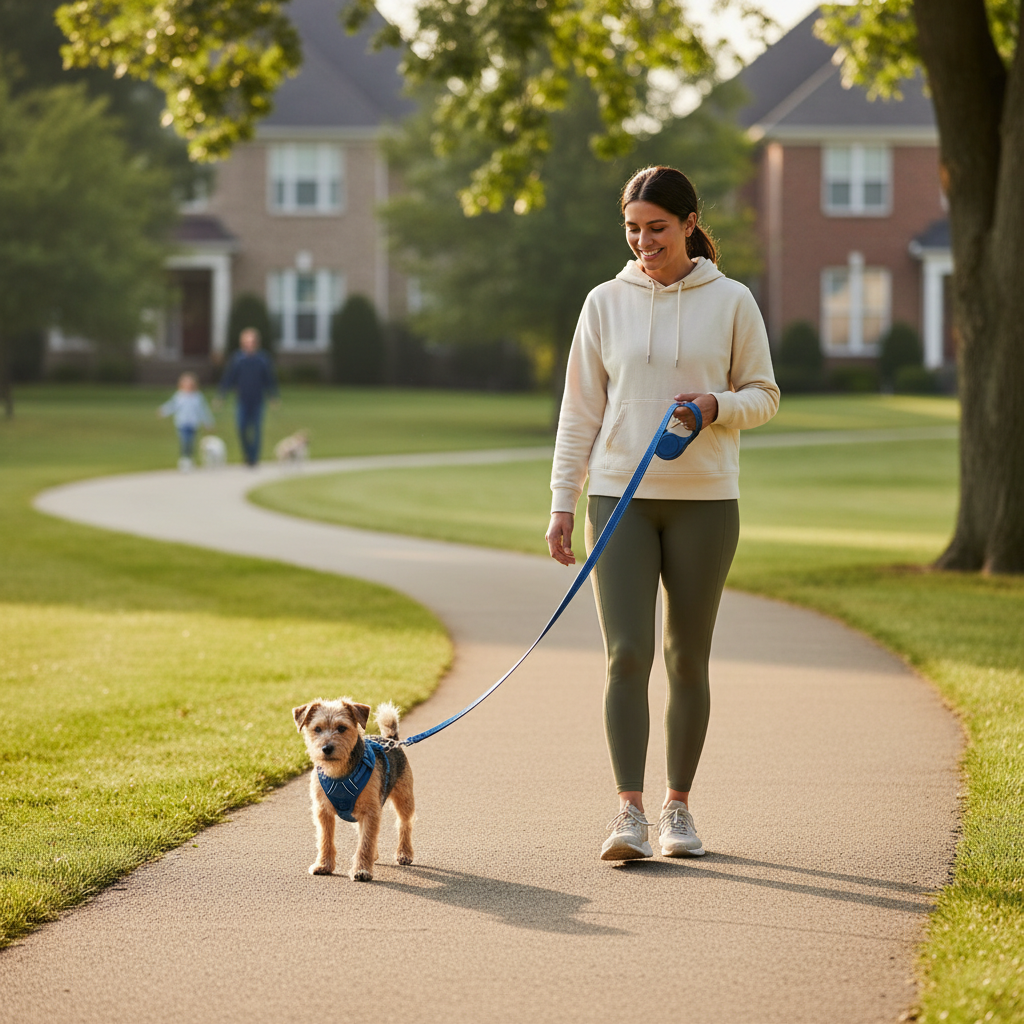
Simple step-by-step plan (10–15 minutes a day)
- Start indoors: clip the leash, reward your dog for being near your side before you even walk.
- Be boring when the leash is tight: stop moving, wait for slack, then continue. This is the part people skip because it feels slow.
- Mark and reward slack: give a treat when the leash stays loose for a few steps, especially past distractions.
- Use turns, not tugs: if your dog forges ahead, turn calmly and reward when they catch up, the harness helps you redirect without yanking.
- Shorten the challenge: practice near your home, then build up to busier areas.
Leash handling tips that prevent tangles
- Keep the leash shorter in crowds, longer in open areas, but avoid constant tension.
- If using a front clip, guide with your body, not your wrist.
- Consider a leash with some “give,” but avoid super-bouncy bungees if your dog lunges hard.
According to the American Veterinary Society of Animal Behavior (AVSAB), reward-based training helps build reliable behaviors while reducing stress. In practice, that means the harness is your management tool, and rewards teach the walking habit.
Mistakes that cause rubbing, slipping, or “it doesn’t work” frustration
Most issues trace back to a few repeat offenders. Fixing these usually makes the harness feel like a different product.
- Buying by weight only: weight charts can mislead; girth and chest shape matter more.
- Too loose to “keep it comfy”: loose harnesses rub and twist, and your dog can back out.
- Front strap too close to the legs: it may look fine standing still, then chafes once walking starts.
- Ignoring coat changes: grooming, seasonal shedding, and weight shifts can change fit.
- Using the back clip for a known puller: you might think the no-pull “failed,” but you’re not using the feature that redirects force.
If your dog shows persistent skin irritation, sudden behavior change on walks, or pain signals, it’s sensible to consult a veterinarian, since harness discomfort can overlap with orthopedic or skin conditions.
Key takeaways + a realistic conclusion
Key points: fit beats hype, front-clip designs often help most with training, and comfort details like padding and strap placement matter more on small frames than people expect.
The best outcome usually comes from combining a well-fitted harness with a few weeks of consistent leash rules, not from hunting for a “stronger” product. If you want one next step, do a fit check today, then commit to short, calm practice walks where you reward slack and pause when tension shows up.
FAQ
What is the best small dog harness no pull style for a puppy?
Many puppies do well with a lightweight front-clip or dual-clip harness, since it supports training without harsh corrections. The bigger priority is frequent fit checks, puppies change size quickly.
Can a no-pull harness hurt my small dog’s shoulders?
It can if the shape restricts shoulder movement or the straps sit too close to the armpits. Look for free shoulder range and stop using any harness that changes your dog’s gait or causes rubbing.
Why does my dog still pull with a front-clip harness?
Common reasons include a loose fit, clipping to the back ring out of habit, or continuing to move forward while the leash stays tight. The harness reduces leverage, but training still teaches the “walk on a loose leash” rule.
Is a harness better than a collar for small dogs that cough?
Often, yes, because it can reduce pressure on the neck, but coughing can have multiple causes. If coughing is frequent or worsening, it’s worth checking with a veterinarian to rule out medical issues.
How tight should a small dog harness be?
Snug enough that it doesn’t twist, with room for about two fingers under most straps. If your dog can back out, or the chest panel rides into the throat, adjust before the next walk.
What if my dog escapes harnesses?
Consider an escape-resistant 3-strap design and make sure the belly strap sits behind the ribcage. For extreme escape behavior, a trainer can help you address the underlying fear or over-arousal driving the bolt.
Should I use a head halter on a small dog instead?
Some dogs do fine with head halters, but many small dogs find them aversive at first and need slow conditioning. If you’re unsure, a force-free trainer can help you choose a tool that matches your dog’s temperament.
If you’re trying to pick a harness without ordering three sizes, it can help to measure girth and chest shape, then narrow your options to a front-clip model with soft edges and multiple adjustment points, you’ll usually get a calmer walk faster with fewer comfort trade-offs.