
Small pet tunnel toy options can look almost identical online, but in real life they vary a lot in stability, noise, and how easily they spook or stress a small animal. If you’ve bought one that collapses too fast, slides across the floor, or turns into a chewing target, you’re not alone.
A good collapsible tunnel is more than a “cute accessory”, it shapes how your pet moves, hides, explores, and burns energy indoors. For rabbits, guinea pigs, ferrets, rats, and even some cats, a tunnel can become the center of daily enrichment, if it fits the animal and the home.
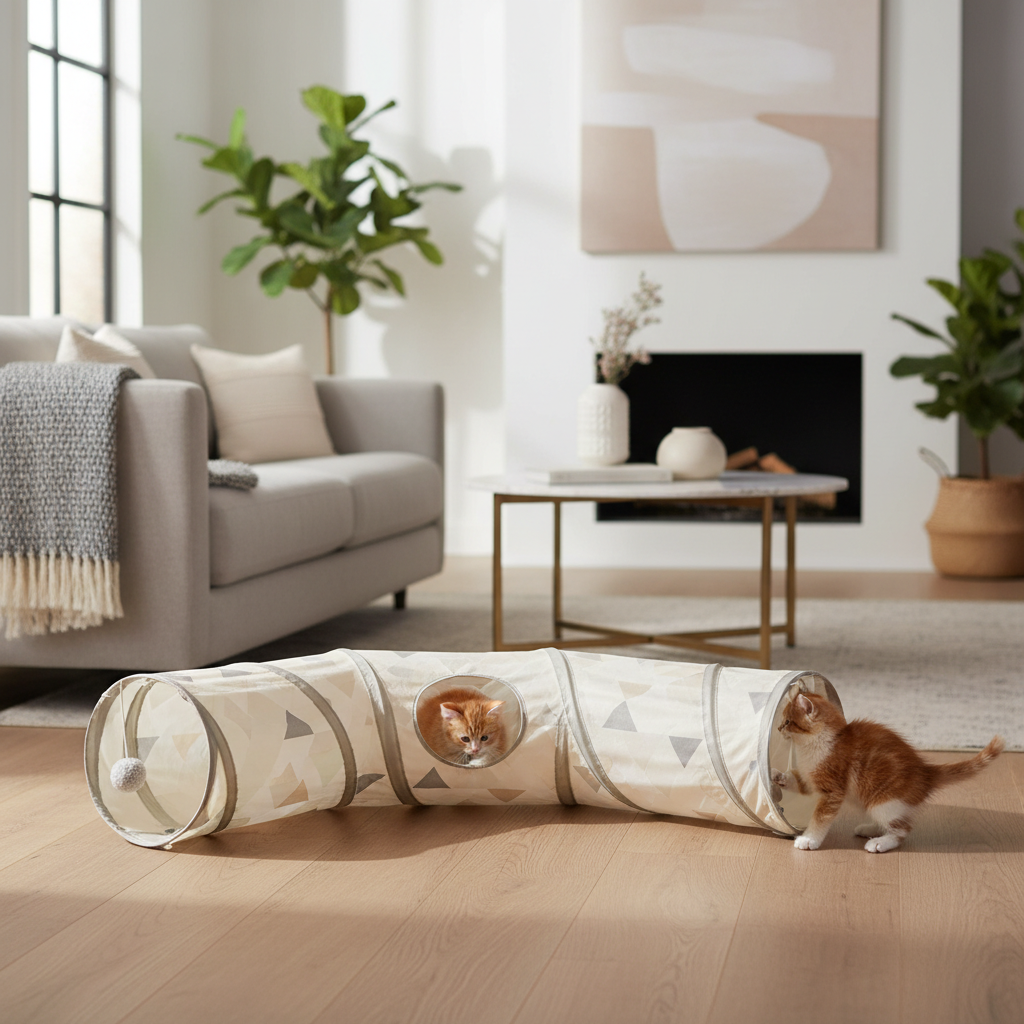
This guide helps you pick the right tunnel, test whether your current one is a good match, and set it up in a way that supports play without creating avoidable safety issues. I’ll also call out common “looks fine in photos” features that tend to disappoint once you start using them.
What a collapsible tunnel actually does for small pets
Tunnels tap into a simple behavior loop: explore, hide, re-emerge, repeat. Many small animals feel safer when they can move with cover nearby, and that sense of control often makes play more confident and longer-lasting.
In most homes, tunnels also solve a practical problem: indoor exercise space is limited. A foldable tunnel gives variety without permanently taking over the room, which matters if you rotate toys to keep them interesting.
- Movement variety: sprinting, crawling, reversing, cornering
- “Safe zone” behavior: hideouts can reduce startle reactions for some pets
- Enrichment: a new layout keeps the environment from feeling repetitive
Why some tunnels fail (and how to spot the root cause)
Most complaints come down to mismatch, not “bad pets”. The tunnel is too narrow, too loud, too slippery, or built with materials that don’t fit how your animal interacts with objects.
Here are the failure patterns that show up a lot:
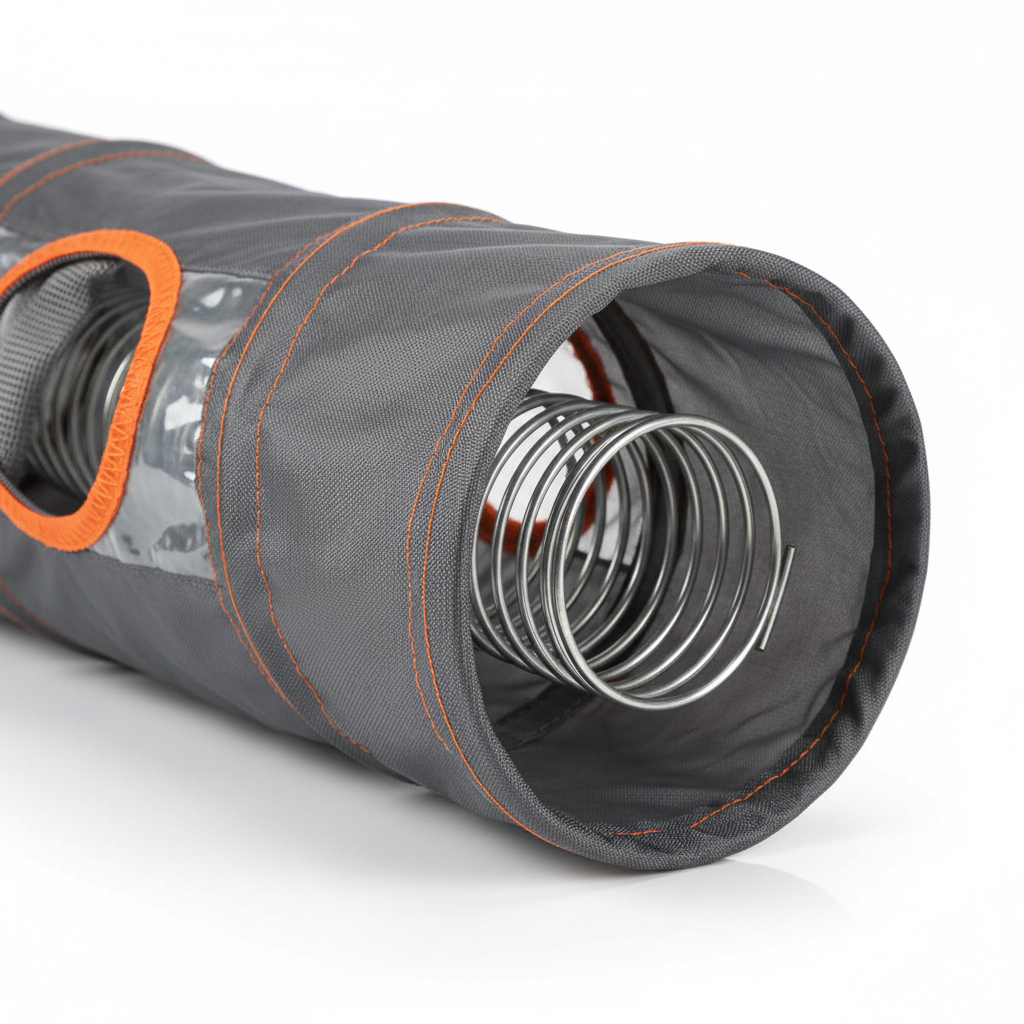
- Collapse or “snap” noise: some spring frames pop loudly, which can scare skittish animals
- Sliding on hard floors: lightweight tunnels drift, then pets hesitate to enter
- Fabric snagging or fraying: claws catch, threads pull, and the tunnel gets rough fast
- Chew risk: exposed stitching, foam edges, or plastic can invite chewing, especially for rabbits
- Wrong diameter: tight tunnels feel trapping, oversized tunnels can feel “too open” for prey animals
Also worth saying out loud: a collapsible tunnel is a “high-contact” item. It gets stepped on, dragged, and sometimes used as a nap spot. If the materials are borderline, wear shows up quickly.
Quick self-check: is your tunnel the right match?
If you already have a small pet tunnel toy and you’re unsure whether it’s working, run this quick checklist before buying another one. You’ll usually find one or two clear blockers.
- Entry test: does your pet enter voluntarily within a few minutes when treats are nearby?
- Turn-around test: can they comfortably turn inside without scraping sides?
- Stability test: does the tunnel stay in place when your pet runs through?
- Noise test: when it flexes, is it quiet enough that your pet doesn’t flinch?
- Surface test: any loose threads, sharp wire ends, or rough seams you can feel with your hand?
If your pet avoids it, don’t assume “they just don’t like tunnels.” Many animals warm up once the tunnel stops sliding, the diameter fits, and the first few sessions feel predictable.
How to choose the right size and material (by common pet types)
There isn’t one universal spec sheet that works for every animal and every brand, so think in “fit and behavior” terms: body size, speed, chewing tendency, and how bold the pet is.
According to AVMA (American Veterinary Medical Association), environmental enrichment supports animal welfare by encouraging natural behaviors. A tunnel can be part of that mix, but only if it’s safe and appropriate for the individual pet.
Practical selection table
| Pet type (common) | What usually matters most | Safer material tendencies | Watch-outs |
|---|---|---|---|
| Rabbits | Chewing + spacious turning | Thicker fabric, minimal exposed plastic | Chewed seams, ingestible pieces; monitor use |
| Guinea pigs | Lower height, cozy cover | Soft fabric, stable base | Tunnels that tip or crinkle loudly |
| Ferrets | Speed + durability | Reinforced stitching, tougher fabric | Thin material that tears under rough play |
| Rats | Climbing + nesting behavior | Tear-resistant fabric, easy-clean surfaces | Loose threads; spaces where paws snag |
| Cats (small/young) | Noise sensitivity + traction | Quiet frame, grippy exterior or anchors | Tunnels that skid; overstimulation in tiny spaces |
When in doubt, prioritize a tunnel that feels stable on your floor and has clean finishing around edges. Those two details often matter more than extra “features” like dangling toys.
Setup that makes tunnels actually get used (not ignored)
Placement changes everything. Put a tunnel in the middle of a bright, open room and some pets treat it like a trap. Tuck it near a wall, a pen edge, or between familiar items, and they’re much more likely to investigate.
- Start with one straight path rather than a complex maze, keep it simple for day one
- Add traction by placing it on a rug, foam mat, or folded blanket so it won’t slide
- Use a “treat breadcrumb” line at the entrance and midway, then stop once they enter confidently
- Rotate layouts every few days, small changes keep it interesting without overwhelming

If you want the tunnel to feel “safe,” make sure there’s at least one calm exit route. Blocking both ends as a “game” can look funny, but for prey animals it can create stress fast.
Cleaning, storage, and making a collapsible tunnel last
Collapsible designs are convenient, but frequent folding can stress seams and frames. If you want longevity, handle it like camping gear: fold gently, store dry, and don’t crush it under heavier items.
- Spot clean quickly after accidents, lingering odor can reduce use
- Check seams weekly for fraying, especially around entry rings
- Air it out after cleaning so moisture doesn’t sit inside folds
- Store loosely if possible, tight twist-folding can weaken some spring frames
If your pet marks the tunnel repeatedly, it may help to reduce stressors in the environment, but behavior varies a lot. A veterinarian or qualified behavior professional can help if it becomes frequent or sudden.
Safety notes and common mistakes to avoid
Most tunnel play is low risk, but small pets can get into trouble when a product is damaged, poorly finished, or used unsupervised in the wrong setting. If you notice obsessive chewing, pulling threads, or trying to ingest pieces, treat it as a “remove and reassess” moment.
- Don’t ignore exposed wire or sharp frame ends, even if they seem minor to you
- Avoid hanging strings if your pet tends to tangle or chew them
- Skip strong fragrances when cleaning, many animals avoid unfamiliar scents
- Supervise early sessions until you’re confident it’s stable and your pet’s interaction style is safe
According to ASPCA, choosing pet-safe materials and monitoring for choking hazards are key parts of injury prevention. If you’re unsure whether a tunnel material is appropriate for your specific species, it’s reasonable to ask an exotic vet or a rescue experienced with that animal type.
Key takeaways + a simple next step
A small pet tunnel toy works best when it stays put, fits the pet’s body and behavior, and doesn’t introduce chew or snag risks. The “best” tunnel is usually the one your pet enters confidently on day one and still uses a month later.
- Make stability non-negotiable: add a rug, mat, or anchors
- Choose fit over gimmicks: quiet frame, clean seams, right diameter
- Build positive association: short sessions, treats, predictable setup
If you want one action item: do the turn-around and stability tests today, then adjust placement before you spend money on another tunnel.
FAQ
What size small pet tunnel toy should I buy?
Pick a diameter that lets your pet enter without compressing their body and turn around without scraping. When between sizes, many pets do better with slightly more room, but very shy animals sometimes prefer a cozier tunnel.
Are collapsible tunnels safe for rabbits that chew?
They can be, but it depends on materials and how your rabbit chews. If your rabbit starts pulling threads or biting plastic rings, it’s safer to remove the tunnel and switch to a chew-safer hide option, and consider asking a rabbit-savvy vet for guidance.
Why does my pet avoid the tunnel even though it looks fine?
Usually it’s sliding, noise, or placement. Put it along a wall on a grippy surface, then use treats at the entrance. If avoidance continues, the diameter may feel too tight or the tunnel may smell unfamiliar.
How do I keep a tunnel from moving on hardwood floors?
Use a rug, yoga mat, foam tile, or even a folded towel under it. Some people also brace one end against a heavy hide or pen wall, as long as you keep an easy exit.
How often should I clean a small pet tunnel toy?
Spot clean as needed, then do a deeper clean on a schedule that matches your pet and setup. If the tunnel starts smelling like urine or mustiness, many pets reduce use, so earlier cleaning often helps.
Can a tunnel help with boredom or destructive behavior?
It can be part of enrichment, especially when you rotate layouts and pair the tunnel with foraging. If destructive behavior escalates or appears suddenly, it may be stress or health-related, a professional opinion is worth considering.
Is it okay to leave the tunnel in the enclosure all day?
Many households do, but it’s smart to monitor wear and your pet’s interaction style. If you notice chewing that could lead to ingestion, or if the tunnel collapses unpredictably, remove it when unsupervised.
If you’re trying to choose a collapsible tunnel that won’t slide, won’t crinkle loudly, and fits your pet’s real behavior at home, it can help to shortlist a few models and compare materials, diameter, and seam finishing before you buy, it’s usually faster than guessing and returning twice.