
The best dog toys for small dogs are the ones that match a tiny mouth, a lighter bite force, and the way small breeds actually play, quick sprints, short bursts of chewing, then back to your lap like nothing happened.
If you have ever bought a “small” toy that still looked huge next to your dog’s muzzle, you already know the problem, wrong sizing leads to ignored toys, broken seams, or that awkward moment when a squeaker becomes a choking risk. A good pick feels easy to carry, hard to destroy, and interesting enough that your dog chooses it over your shoelaces.
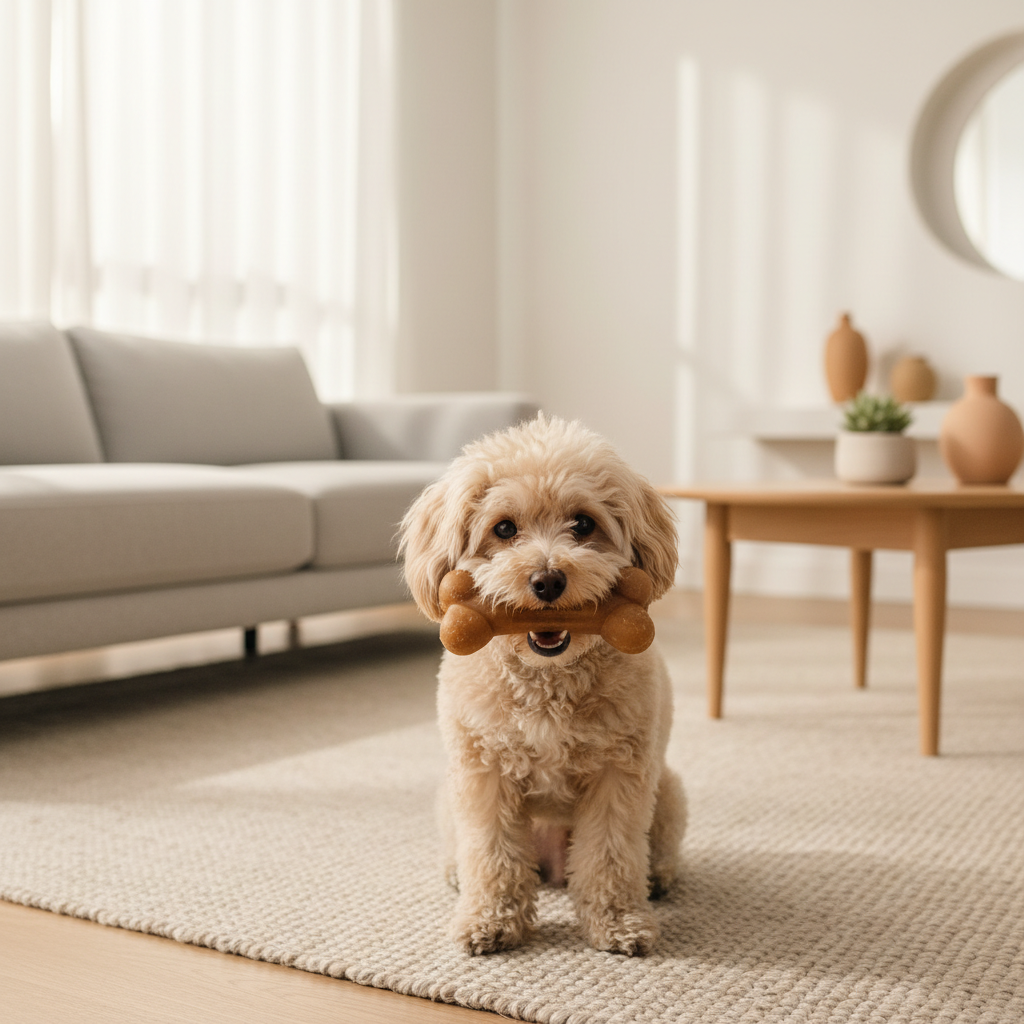
This guide keeps it practical: what to look for, what to skip, and a short list of toy “types” that usually work well for small dogs in 2026, including quick checks to avoid common safety headaches.
What makes small-dog toys different (and why many “small” toys fail)
Small dogs are not just scaled-down big dogs, their play style and toy wear patterns often differ. Many “small” versions are simply shorter, not truly redesigned for tiny jaws and lighter grip.
- Mouth size and grip: If your dog can’t get a confident bite, they won’t engage for long, especially with balls and thick chew rings.
- Neck and teeth sensitivity: Some small breeds can be more prone to dental crowding or oral sensitivity, so ultra-hard materials may cause problems for certain dogs.
- Higher “toy-to-body” leverage: A toy that is too heavy or stiff can make tug and fetch feel clumsy.
- Fast destruction in the wrong materials: Thin plush seams pop quickly, while brittle plastics can crack into sharp edges.
According to the American Veterinary Medical Association (AVMA), pet owners should choose toys that are appropriate for the pet’s size and avoid items that could be swallowed or cause injury, that rule matters even more with small mouths and smaller airways.
Quick self-check: which toy style will your small dog actually use?
Before you shop, sort your dog into a “play category.” This is the fastest way to land on the best dog toys for small dogs without overbuying.
Pick the closest match
- The Shredder: Loves plush, pulls stuffing out, hunts seams.
- The Chewer: Settles in and works on one object for minutes, sometimes hours.
- The Fetch Sprinter: Chases short throws, returns halfway, wants another toss.
- The Brain Worker: Sniffs, paws, problem-solves, gets bored with plain toys fast.
- The Social Tugger: Only plays if you are involved.
Also note the “deal breakers”: if your dog tends to swallow chunks, go with one-piece rubber and avoid plush. If squeakers trigger obsessive behavior, pick silent puzzle toys or treat-dispensing rubber instead.
2026 short list: toy types that usually work best for small dogs
Rather than chasing one “perfect” toy, think in categories. Most households do well with 2–4 options that cover chewing, chasing, and mental work.
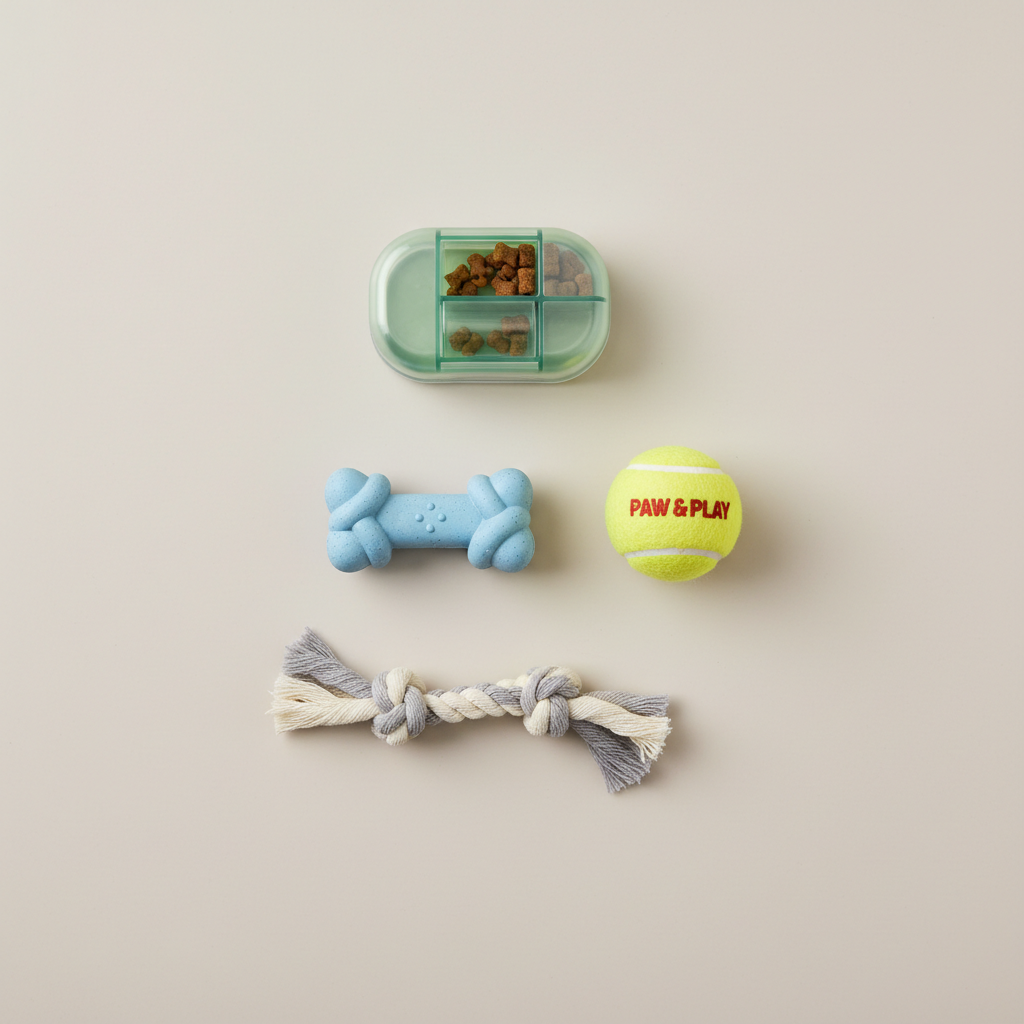
Soft-but-tough plush (for gentle mouths, supervised)
If your dog loves plush, look for reinforced stitching, minimal loose parts, and a size that fits fully inside the mouth without forcing a wide gape. Many small dogs enjoy “carry and cuddle” play as much as chewing.
- Best for: gentle chewers, anxious dogs who self-soothe with a toy
- Skip if: your dog tears seams fast or eats fabric
Rubber chew toys (the everyday workhorse)
For many homes, rubber chew toys are the safest default. Choose flexible, resilient rubber that gives slightly under pressure, and size it so the dog cannot fit the entire toy behind the back teeth.
- Best for: moderate chewers, dogs who need a calming activity
- Bonus: can double as a treat-stuffer or lick-style enrichment
Mini fetch balls and soft flyers (lightweight matters)
Small dogs often prefer lighter balls that are easy to pick up. For indoor play, soft foam or fabric balls reduce noise and collateral damage.
- Best for: fetch sprinters, dogs who love chasing movement
- Watch for: fuzz or felt peeling, which some dogs try to ingest
Small-dog tug toys (short, comfortable handles)
Tug can be great exercise, but the toy should not force awkward angles. Look for shorter tugs with soft handles, and keep intensity moderate, especially for dogs that jump or twist.
- Best for: social tuggers, dogs who get bored playing alone
- Tip: keep the tug low, avoid yanking upward
Puzzle and treat-dispensing toys (boredom reducers)
For many small breeds, mental work tires them out faster than another lap around the couch. Start easy, then increase difficulty once your dog understands the “game.”
- Best for: brain workers, food-motivated dogs
- Good to know: tiny kibble or small training treats usually fit better and reduce frustration
Comparison table: choosing the right toy type fast
If you want a quick filter, use this as a shortcut. It’s not perfect, but it prevents the most common mismatches.
| Toy type | Best for | Durability (typical) | Noise level | Safety watch-outs |
|---|---|---|---|---|
| Rubber chew | Chewing, calming, enrichment | High | Low | Choose correct size, discard if chunks break off |
| Reinforced plush | Carrying, comfort, light play | Low–Medium | Medium (squeaker) | Seams, stuffing, squeaker access |
| Mini ball (foam/fabric) | Indoor fetch | Medium | Low | Surface shedding, swallowing small balls |
| Tug toy | Interactive play | Medium | Low–Medium | Avoid excessive pulling, watch fraying ends |
| Puzzle feeder | Mental work, slow feeding | Medium–High | Low | Remove if dog chews hard plastic edges |
How to choose a safe size and material (small-dog specific)
This part decides whether your purchase becomes a favorite or a vet call. When in doubt, size up slightly for chew toys and size down for carry toys, but keep both within safe limits.
- Size test: your dog should carry it easily, but not be able to fit the whole toy in their mouth.
- One-piece wins: fewer glued-on parts usually means fewer weak points.
- Avoid brittle plastics: they can crack into sharp pieces, especially in cold weather or with strong chewers.
- Check seams and knots: fraying strings can become a swallowing hazard for some dogs.
- Match texture to teeth: for seniors or dogs with dental issues, softer rubber or fabric may be kinder, your veterinarian can advise if you’re unsure.
According to the ASPCA, many pet injuries happen when toys break into small pieces or have parts that can be swallowed, so regular inspection is part of “buying the right toy,” not an optional extra.
Practical play plan: a simple rotation that keeps interest high
The toy itself matters, but the routine matters almost as much. A small rotation often beats a big toy bin.
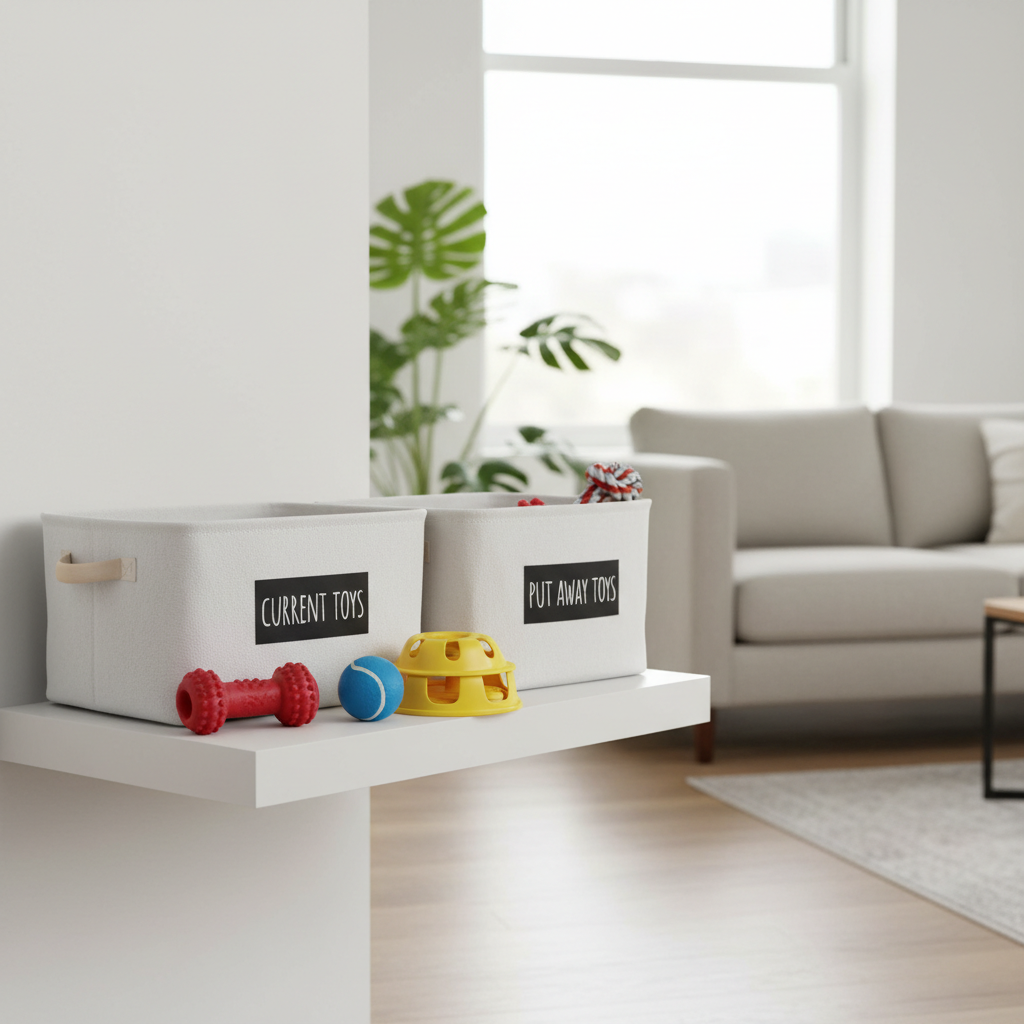
A low-effort weekly rotation
- Daily: one chew option available during downtime
- 3–4x/week: short fetch sessions, 5–10 minutes, stop while your dog still wants more
- 2–3x/week: puzzle toy or treat-dispensing session for mental work
- 1–2x/week: tug play with clear start/stop cues
Key point: put half the toys away. When they reappear, many small dogs treat them like “new,” and you buy fewer toys overall.
Common mistakes that waste money (or create safety issues)
- Buying ultra-hard chews for every dog: some dogs do fine, others may risk tooth damage, especially if they chew intensely. If you hear loud “clacking,” consider a softer material and ask a vet if you have concerns.
- Assuming “indestructible” equals safe: heavy, rigid toys can still cause oral injury or be too large to use comfortably.
- Leaving plush toys unsupervised with shredders: for many dogs, plush is an “interactive only” category.
- Ignoring boredom signals: if your dog walks away, the toy might be too hard, too big, or too frustrating, not “picky.”
- Not retiring damaged toys: once pieces start coming off, the risk changes quickly.
When to get help from a professional
If your dog repeatedly destroys and swallows toy pieces, or shows guarding behavior around toys, it’s worth talking with a veterinarian or a qualified trainer. Some dogs need a different enrichment plan, not a tougher toy.
- Frequent gagging, vomiting, or constipation after toy play warrants prompt veterinary advice.
- Sudden avoidance of chewing, dropping toys, or mouth sensitivity may connect to dental pain, a vet exam helps rule that out.
- Resource guarding can often improve with a behavior plan, but timing matters, early guidance tends to be easier.
Conclusion: what to buy first if you want fewer regrets
If you want a clean starting point, pick one flexible rubber chew toy in the right size, one lightweight mini fetch toy, and one simple puzzle feeder, then adjust based on what your dog actually chooses. The best dog toys for small dogs rarely look fancy, they just fit, last, and keep your dog engaged without creating new problems.
Action step: do a 30-second toy audit today, toss anything with loose parts or sharp edges, then build a small rotation with two “daily” toys and one “challenge” toy.
FAQ
- What size toy is safe for a small dog?
In many cases, you want a toy your dog can carry comfortably but cannot fit fully in the mouth. For chews, slightly larger is often safer than “tiny,” as long as your dog can grip it without strain. - Are squeaky toys OK for small dogs?
Often yes, but it depends on the dog. Some become obsessive or will tear the toy apart to reach the squeaker, in that case squeakers become a safety and durability issue, so use supervised play or choose silent toys. - What are the best dog toys for small dogs that like to chew?
Flexible rubber chew toys and treat-stuffers usually work well because they’re one-piece and engaging. Avoid brittle materials, and replace the toy once chunks start coming off. - How do I keep my small dog from getting bored with toys?
Rotation helps more than quantity. Keep a few toys out, put the rest away, then swap weekly, adding short interactive play sessions so toys stay “social,” not background clutter. - Are rope toys safe for small dogs?
They can be fine for tug with supervision, but frayed strings are the risk. If your dog chews and swallows fibers, it’s better to skip rope toys or reserve them for closely supervised play only. - Can puzzle toys replace walks for small dogs?
Not entirely, but they can meaningfully reduce restlessness on busy days. Many dogs benefit from both movement and mental work, and your veterinarian can suggest balanced activity levels if you’re unsure. - When should I throw a toy away?
When pieces come off, seams open, or hard edges appear, the toy’s risk profile changes. If you find yourself “watching it like a hawk,” that’s usually your cue to replace it.
If you’re trying to build a small-dog toy setup without wasting money, focus on fit and rotation first, then add one specialty toy based on your dog’s play style, it’s the most reliable way to end up with toys your dog actually uses.