
Best kitten food for growth comes down to a few non-negotiables: enough animal-based protein, the right fat level for energy, and a complete vitamin/mineral profile that supports bones, brain, and immune development without pushing calories too hard.
If you have ever stared at a wall of “all life stages,” “kitten formula,” “grain-free,” and “raw-inspired” bags and felt stuck, you are not alone. Most kitten food is marketed like adult food, but kittens run on a different schedule: fast growth, small stomachs, and a higher need for certain nutrients per bite.
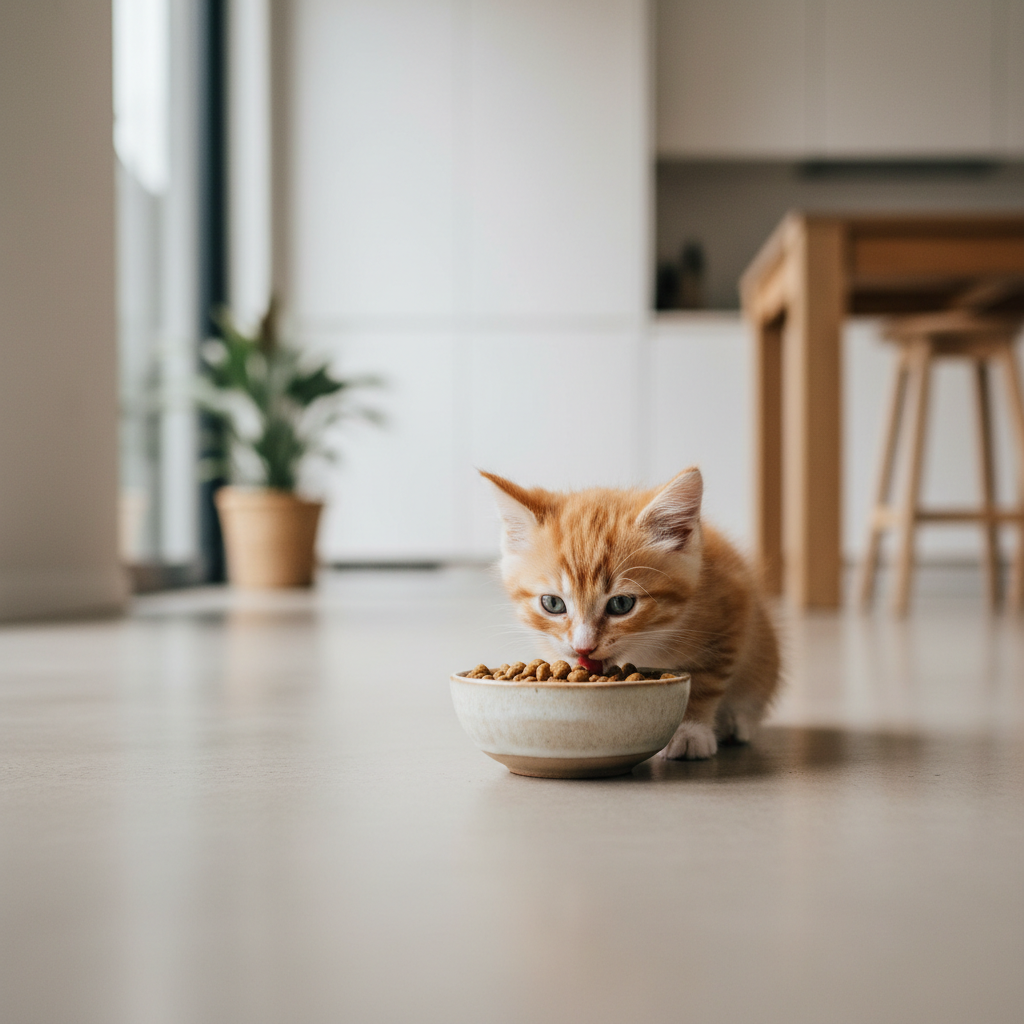
This guide focuses on practical selection, not hype. You will get a quick comparison table, a short self-check to match food type to your kitten, and a feeding plan that helps you monitor growth without turning every meal into a math problem.
What “healthy growth” actually means for kittens
Healthy growth is not “gain as fast as possible.” In many homes, the real goal is steady weight gain, good muscle, a shiny coat, normal stool, and a kitten that plays hard and recovers well.
- Steady body condition: ribs not sticking out, but also not buried under padding.
- Strong development: bright eyes, energy, good coordination as they mature.
- Digestive comfort: consistent stool, minimal gas, no frequent vomiting.
- Hydration support: especially if you feed mostly dry food.
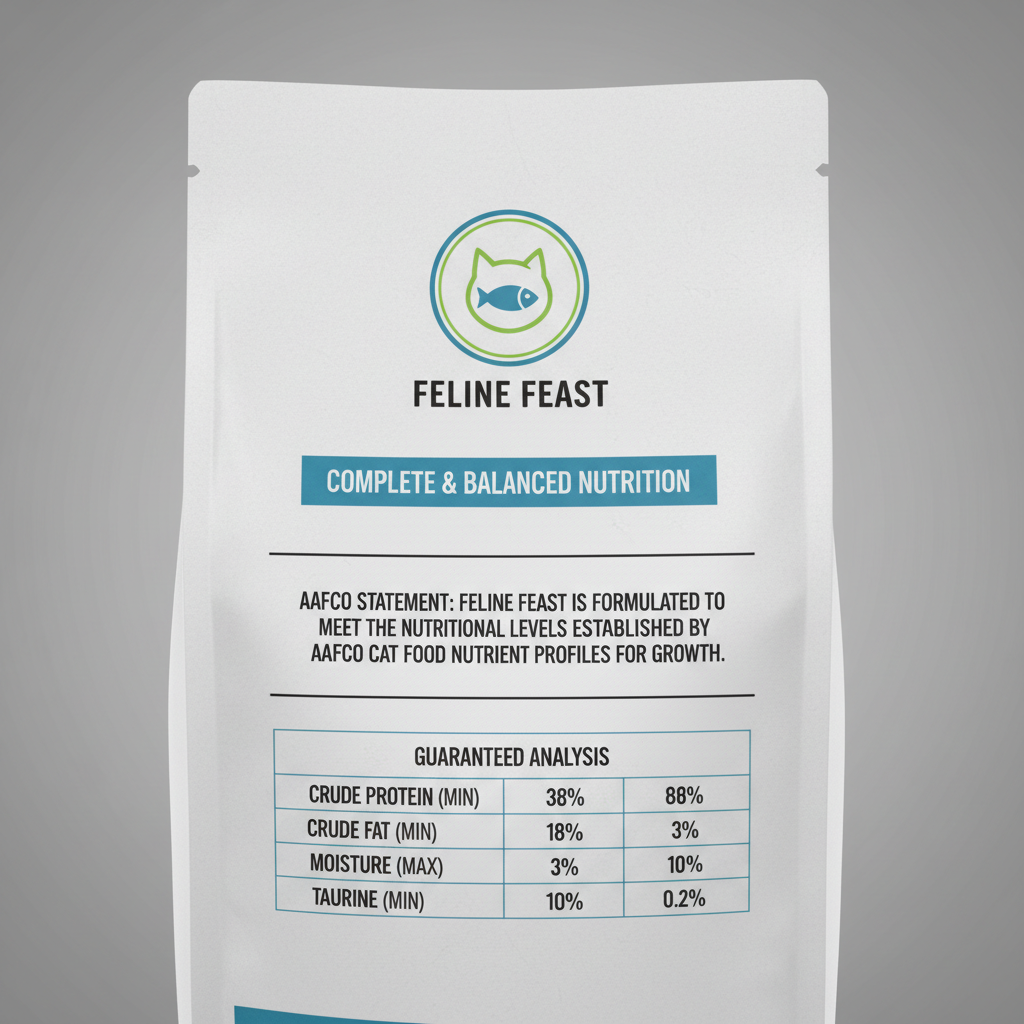
According to the Association of American Feed Control Officials (AAFCO), foods labeled “complete and balanced” for growth (or “all life stages”) must meet specific nutrient profiles. That label is a starting point, not a finish line, because ingredient quality, calorie density, and tolerability still vary a lot.
Key nutrients that matter most (and what to look for on the label)
When people search for the best kitten food for growth, they usually mean “what nutrients help my kitten build correctly.” These are the big levers you can actually evaluate from packaging and brand info.
Protein and amino acids (especially taurine)
Kittens need animal-based protein for muscle, organs, and enzymes. Taurine is essential for cats, and they cannot make enough on their own, so the diet must supply it.
- Look for named animal proteins (chicken, turkey, salmon) early in the ingredient list.
- Prefer diets that clearly state they are formulated for kitten growth or meet AAFCO growth standards.
Fat for energy and brain development
Fat is not the enemy for kittens. They burn energy quickly, and dietary fat supports calorie needs and fatty acids.
- Check for sources like chicken fat, salmon oil, or fish oil.
- DHA is commonly highlighted for brain and vision development; it is a reasonable “plus,” though not the only factor.
Calcium and phosphorus balance
This is where “more” is not automatically better. Bones need minerals, but the ratio and total amount matter, and extremes can be risky, especially for fast-growing kittens.
According to the World Small Animal Veterinary Association (WSAVA), choosing diets from manufacturers with strong quality control and nutrition expertise can reduce the chance of formulation issues. If your kitten has any skeletal concerns or is a large-breed kitten, it may be worth discussing mineral balance with your veterinarian.
Moisture and palatability
Wet food can help with hydration, and many kittens find it easier to eat. Dry food is convenient and can work well too, but in a dry-only setup you usually need to be more intentional about water intake.
Wet vs. dry vs. fresh: which format supports growth best?
There is no single format that “wins” for every kitten. The best choice is the one your kitten eats consistently, digests well, and that you can keep feeding for months without constant switches.
- Wet food: higher moisture, often higher palatability; can be helpful for kittens that do not drink much.
- Dry food: easy to store and measure; can work well for multi-kitten homes, but watch calories.
- Fresh/refrigerated: can be appealing and highly digestible for some kittens; confirm it is complete and balanced for growth, not “supplemental.”
If your kitten is picky or underweight, a mixed approach is common: wet meals with a measured amount of dry for grazing. Many households land here because it is realistic.
Comparison table: how to choose the best kitten food for growth by scenario
This table is meant to narrow choices quickly. It does not replace medical advice, especially if your kitten has diarrhea, poor appetite, or slow weight gain.
| Situation | What to prioritize | Green flags on packaging/site | Watch-outs |
|---|---|---|---|
| Healthy kitten, normal appetite | Balanced growth + consistency | AAFCO growth statement, clear feeding guide | Frequent brand hopping can trigger GI upset |
| Picky eater | Palatability + texture options | Wet variety packs, small kibble size | Too many toppers can create “hunger strikes” later |
| Soft stool/sensitive stomach | Digestibility + simple formulas | Single primary protein, gradual transition guidance | Abrupt switches, rich treats, excessive fat |
| Fast weight gain | Calorie control + body condition | Calorie info (kcal/cup or kcal/can), measured portions | Free-feeding high-calorie dry food |
| Multi-cat home (adult cats around) | Prevent diet mixing | Microchip feeder compatibility, clear feeding amounts | Kittens eating adult diet long-term |
Quick self-check: is your kitten food choice actually working?
Even the best kitten food for growth on paper can flop if it does not suit your kitten. Use this checklist weekly for a month, then monthly.
- Weight trend: generally increasing over time, not flat for weeks.
- Body condition: you can feel ribs with light pressure, waist is not disappearing.
- Stool: formed, easy to scoop, not watery or mucus-heavy.
- Coat and skin: less dandruff, coat feels soft, not greasy.
- Energy: playful bursts, good recovery, not lethargic.
- Mealtime behavior: eats without constant coaxing, minimal vomiting.
If two or more items are off for more than 10–14 days, that is usually a sign to adjust format, feeding amount, or the recipe itself, ideally with veterinary input if symptoms look serious.
Practical feeding plan: portions, schedule, and safe transitions
Most feeding issues are not “wrong brand,” they are portion drift, too many extras, or switching too quickly. A simple structure helps.
Meal frequency by age (typical ranges)
- 8–12 weeks: 4 small meals/day if possible.
- 3–6 months: 3 meals/day.
- 6–12 months: 2 meals/day, some kittens still do better with 3.
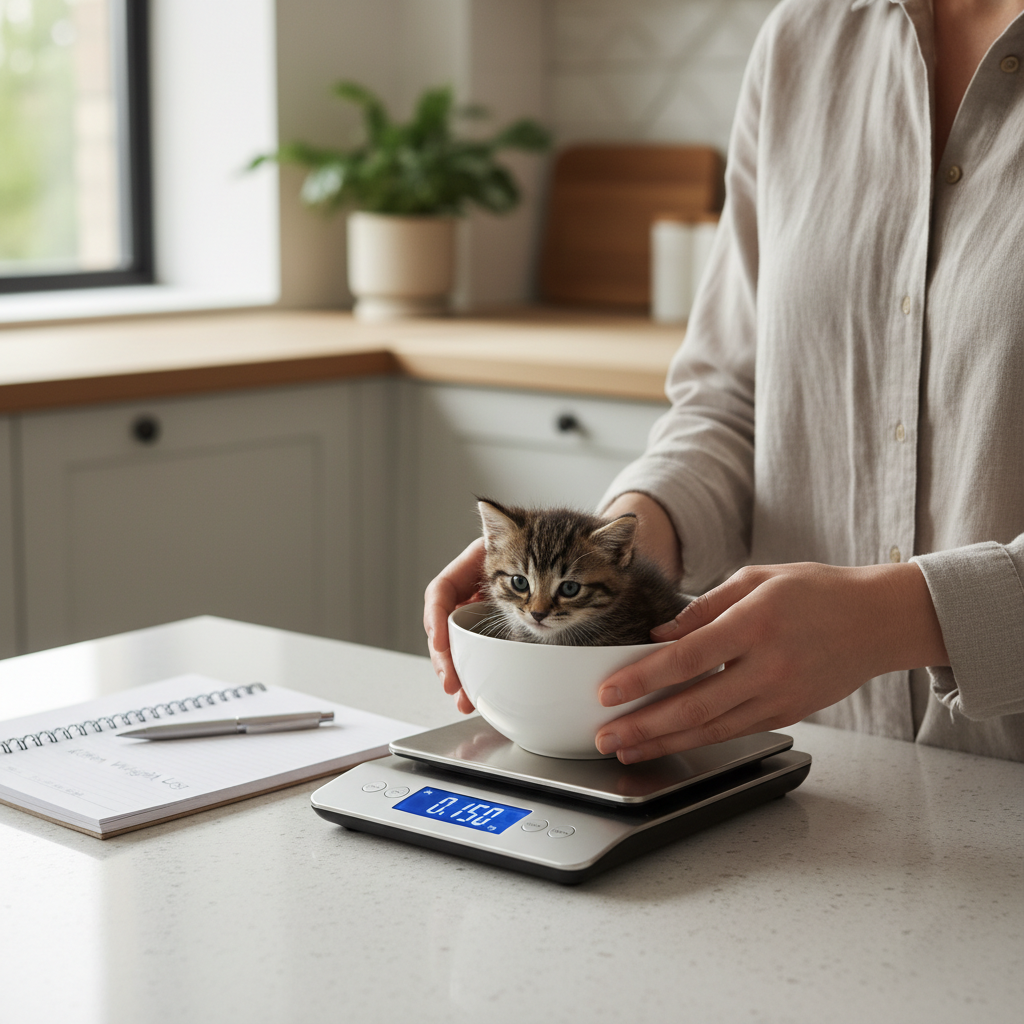
Use the package feeding guide as a baseline, then adjust based on body condition and weight trend. Calorie needs vary by activity level, indoor setup, and whether your kitten is spayed/neutered, so expect some tweaking.
How to transition foods without causing a mess
- Days 1–2: 75% old, 25% new
- Days 3–4: 50% old, 50% new
- Days 5–6: 25% old, 75% new
- Day 7+: 100% new (if stool stays normal)
If diarrhea shows up, slow down. If vomiting, blood, dehydration signs, or refusal to eat happens, contacting a veterinarian is the safer move.
Key takeaways (save this)
- Measure food for a week before deciding it “isn’t working.” Eyeballing almost always creeps up.
- Keep treats under control; for kittens, even small extras can distort the diet balance.
- Prioritize complete and balanced for growth, especially if you use toppers.
Common mistakes that quietly slow growth (or cause unwanted gain)
A few patterns show up again and again, and they are easy to miss because the kitten still “seems fine” day to day.
- Adult cat food as the main diet: occasional nibbles happen, but long-term it may miss growth targets.
- Overdoing toppers: tuna, broth, freeze-dried treats can be helpful, but can crowd out a balanced formula.
- Free-feeding high-calorie dry food: convenient, but some kittens overshoot quickly after spay/neuter.
- Switching every time stool changes once: mild fluctuations happen; repeated switching often keeps GI upset going.
- Ignoring water intake: especially with dry-heavy feeding, dehydration can sneak in.
If you are trying to pick the best kitten food for growth and keep getting stuck on boutique claims, the simplest filter is still: complete and balanced for growth, a manufacturer with transparent nutrition info, and a plan to monitor weight.
When to involve your veterinarian (and what to ask)
Online advice has limits, and kittens can go downhill faster than adult cats. Getting help early is usually cheaper and less stressful than waiting.
- Weight plateaus for multiple weeks, or your kitten seems small for age
- Diarrhea lasts more than 48–72 hours, or stool contains blood/mucus
- Repeated vomiting, dehydration, or obvious abdominal discomfort
- Suspected parasites, heavy flea burden, or poor coat despite good food
- Known congenital issues or special breed concerns
Useful questions to bring: “Is my kitten’s body condition where it should be?” “How many calories per day fits this age and weight?” “Should I use a growth diet or all life stages?” “Do you recommend wet food for hydration in my case?”
Conclusion: a simple way to choose confidently for 2026
The best choice usually looks boring: a complete and balanced growth formula your kitten digests well, fed in measured portions, with weight tracked often enough to catch drift early. If you do that, you have already covered most of what drives healthy development.
Your next step can be simple: pick one reputable growth diet in a format your kitten happily eats, follow a gradual transition, then weigh weekly for a month and adjust portions based on body condition. If anything feels “off,” a quick vet check can prevent weeks of guesswork.
FAQ
- How long should kittens eat kitten food?
Many kittens stay on a growth diet until around 12 months, though some may transition earlier or later depending on size, spay/neuter timing, and veterinary advice. - Is “all life stages” the same as kitten food?
It can meet growth requirements if it states AAFCO for growth or all life stages, but calorie density and mineral balance still vary, so watch portion size and stool quality. - How can I tell if I am overfeeding?
Rapid rounding of the belly beyond normal kitten shape, losing a visible waist, or steady weight gain with lower activity can be clues. Measuring portions for a week usually reveals it. - What if my kitten refuses dry kibble?
Many kittens prefer wet textures. You can feed a wet-only diet if it is complete and balanced for growth, or mix wet meals with a small amount of dry once appetite stabilizes. - Does grain-free help kittens grow better?
Not automatically. Some kittens do fine on grain-free, others do fine with grains. The growth adequacy statement and overall formula quality matter more than that single label. - Can I add supplements to boost growth?
Be cautious. Extra calcium, vitamins, or “growth” supplements can imbalance a complete diet. It is safer to discuss any supplement with a veterinarian. - What is the safest way to switch foods for a sensitive kitten?
Extend the transition to 10–14 days, keep treats minimal, and change only one variable at a time. If symptoms are significant, professional guidance is recommended.
If you are trying to shortlist options and want a more hands-off way to choose, bring your kitten’s age, current weight, stool notes, and what they are eating now to your veterinarian or a board-certified veterinary nutritionist; with that context, narrowing to a truly “fits your kitten” growth diet becomes much faster.