
Best dry cat food for sensitive stomach picks usually come down to two things: reducing common triggers and keeping the diet consistent enough for your cat’s gut to settle.
If your cat vomits after meals, has loose stools, gets gassy, or seems picky and uncomfortable, it’s tempting to keep “trying random bags” until something works. That approach often backfires because frequent formula changes can keep the GI tract irritated.
This guide helps you choose dry food more confidently, using practical label checks, ingredient patterns that tend to cause trouble, and a slow-transition plan that many vets recommend. You’ll also see when “sensitive stomach” might actually mean something else that needs a professional opinion.
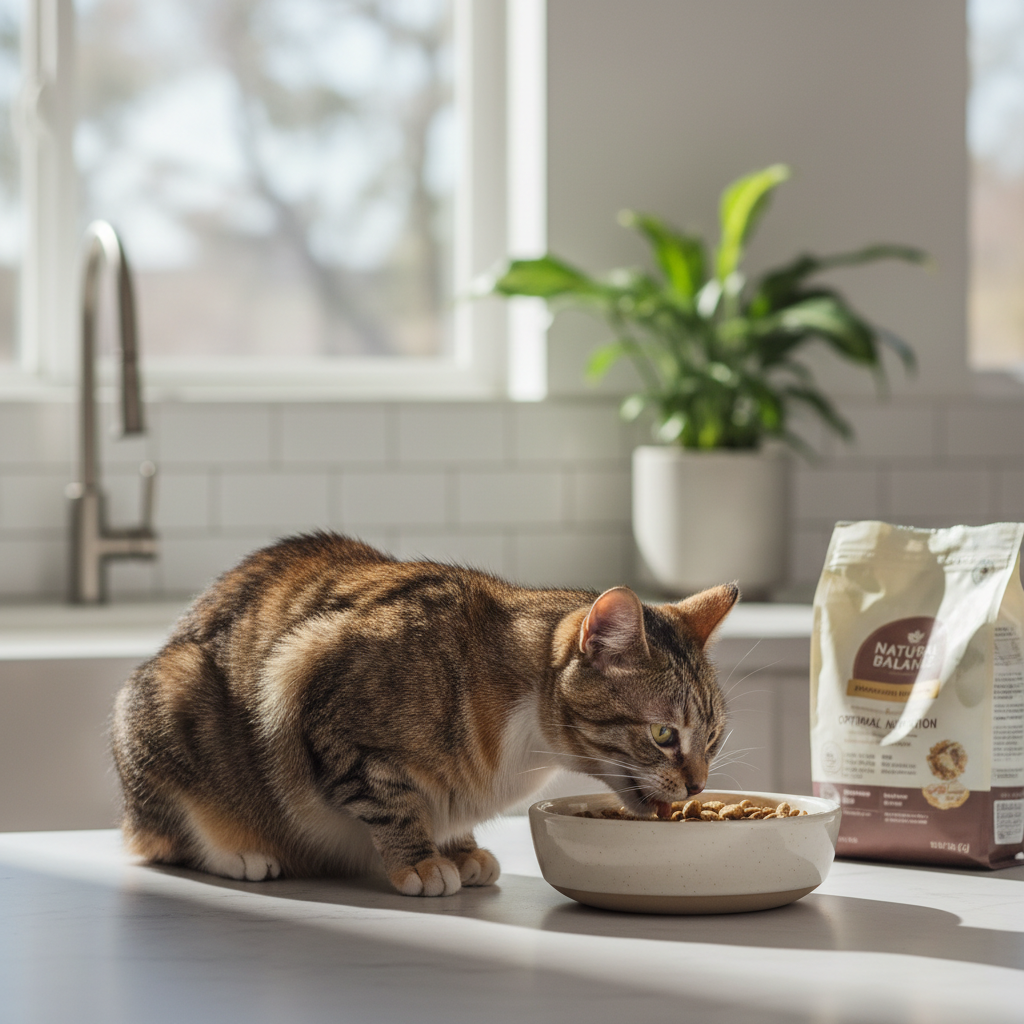
Why “sensitive stomach” happens with dry cat food
In real life, “sensitive stomach” is a bucket term. Your cat might have mild food intolerance, stress-related GI upset, a reaction to a specific ingredient, or a medical issue that happens to show up as vomiting or diarrhea.
- Ingredient intolerance: Some cats do poorly with certain proteins (chicken, beef, fish) or specific additives, even if they’re not truly “allergic.”
- Too-fast diet changes: Switching flavors or brands abruptly is a common reason cats get soft stool for days.
- High fat or rich formulas: Rich recipes can be harder to digest for some cats, especially if they’re older or sedentary.
- Low moisture intake: Dry food is convenient, but dehydration can worsen constipation and overall GI comfort for many cats.
- Non-food factors: Hairballs, parasites, inflammatory bowel disease, pancreatitis, dental pain, or anxiety can look like “food sensitivity.”
According to the American Veterinary Medical Association (AVMA), vomiting and diarrhea that persist, worsen, or include blood should be evaluated by a veterinarian, since diet change alone may not solve the underlying cause.
Quick self-check: is it food-related or a vet visit first?
Before you invest in another bag, it helps to sort “likely diet sensitivity” from “don’t wait.” Many cats fall somewhere in between, so use this as a sanity check, not a diagnosis.
More likely food sensitivity
- Symptoms start soon after a new food or treat
- Stool is soft but your cat otherwise acts normal
- Vomiting happens occasionally, often soon after eating
- No weight loss, normal thirst, normal energy
Get veterinary advice sooner (especially if persistent)
- Repeated vomiting or diarrhea lasting more than a day or two
- Blood in vomit or stool, or black/tarry stool
- Noticeable weight loss, poor appetite, lethargy
- Signs of dehydration (tacky gums, weakness)
- Kittens, seniors, or cats with chronic disease
According to the American Animal Hospital Association (AAHA), ongoing GI signs warrant a vet discussion because dehydration and electrolyte issues can develop faster than most owners expect.
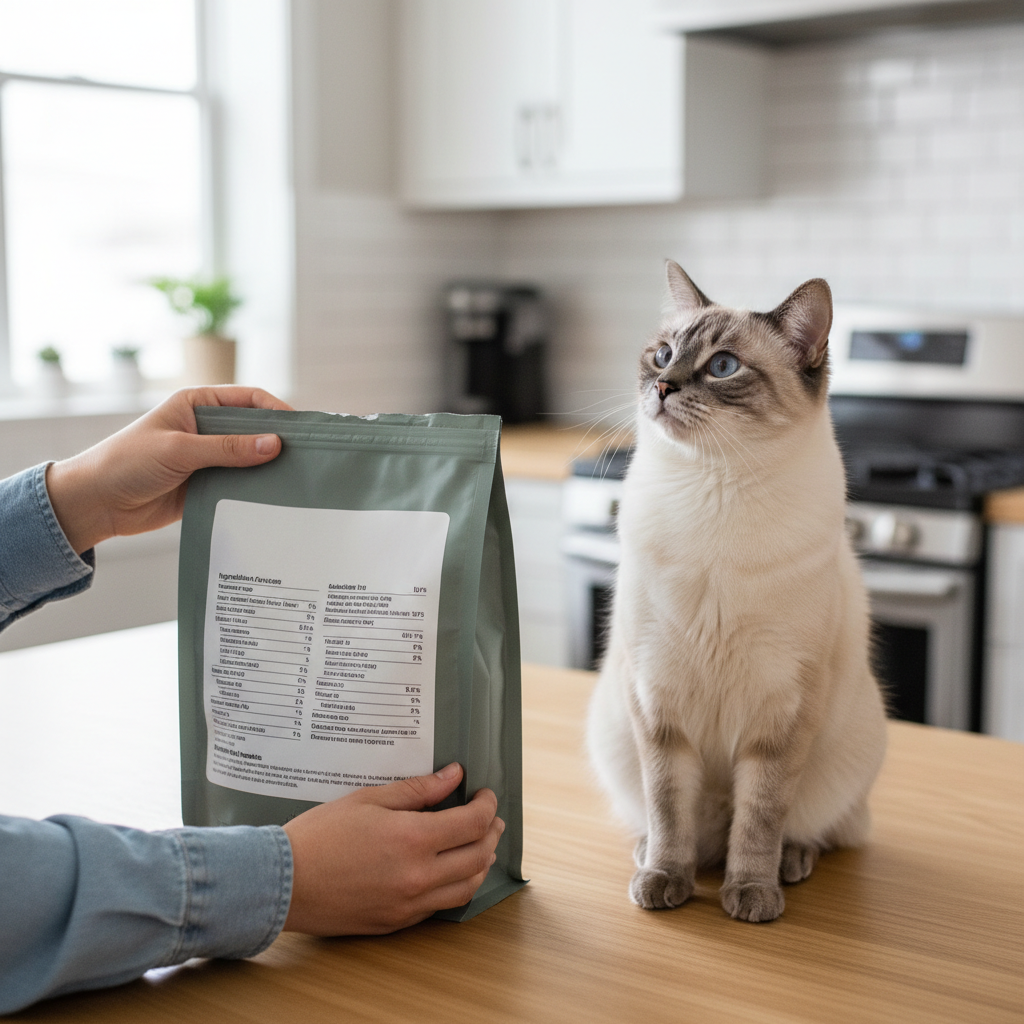
What to look for in the best dry cat food for sensitive stomach
You’re not hunting for a magical ingredient. You’re looking for a formula that’s easier to digest, consistent batch to batch, and less likely to include your cat’s personal trigger.
- Limited ingredient formulas (LID): Fewer moving parts makes it easier to identify what works and what doesn’t.
- Novel or single protein: A “single animal protein” recipe can reduce exposure to multiple proteins at once. Novel proteins (like rabbit or duck) may help some cats, but availability and price vary.
- Gentle carbohydrates: Some cats tolerate rice or oats better than peas/lentils, others are the opposite. What matters is your cat’s pattern over time.
- Fiber that matches the symptom: More insoluble fiber can help firm stool, while specific fibers may help regulate motility. Too much fiber can also cause gas, so balance matters.
- Added probiotics: Helpful for some cats, neutral for others. If your cat reacts poorly, you may need a simpler formula.
- Moderate fat: Many “sensitive digestion” diets avoid being overly rich.
Practical tip: avoid switching between multiple “sensitive” foods at once. Pick one reasonable option, run a proper transition, then give it time unless symptoms worsen.
Ingredients that commonly trigger upset stomach (and how to read them)
Label reading is annoying, but it’s the fastest way to stop repeating the same mistake. The goal is to spot patterns across foods that caused problems.
Common trigger categories
- Multiple mixed proteins: Chicken + turkey + fish in one bag can be tough if your cat reacts to one of them and you can’t tell which.
- Very rich fat sources: Some cats do fine, others get loose stool. Watch for “greasy” stool or frequent vomiting after meals.
- High legume content: Some cats get gassy with lots of peas/lentils/chickpeas. It’s not automatically “bad,” it’s just a common sensitivity pattern.
- Frequent treats and toppers: The “food” might be fine, while the daily dental treat or lickable tube is the real culprit.
Simple label rules that work in practice
- Choose a recipe with one main animal protein in the top ingredients when possible.
- Try to keep the treat list short during the trial period.
- If your cat has repeated issues, consider a veterinary therapeutic diet discussion with your vet, especially for suspected food allergy or IBD.
According to the World Small Animal Veterinary Association (WSAVA), diet trials for suspected food reactions typically require strict control of all foods and treats to be meaningful, and your vet can help structure that plan.
Comparison table: which “sensitive” dry food type fits which cat?
Here’s a practical way to narrow your choices without obsessing over brand names. Brands change formulas, but these categories stay useful.
| Food type | Best for | Why it helps | Watch-outs |
|---|---|---|---|
| Limited Ingredient (LID) | Unclear trigger, mild recurring GI upset | Fewer ingredients makes troubleshooting easier | Not all LID are truly single-protein; read the label |
| Novel protein | Possible protein intolerance (e.g., chicken sensitivity) | Reduces exposure to common proteins | Cross-contamination can happen; results vary |
| Hydrolyzed protein (vet diet) | Suspected food allergy, chronic vomiting/diarrhea | Protein broken into smaller pieces, often less reactive | Usually needs vet guidance; cost can be higher |
| High-fiber hairball/GI formula | Hairball-related vomiting, constipation tendency | Fiber supports stool movement and hair passage | Too much fiber may increase gas for some cats |
| “Sensitive digestion” mainstream formula | Mild sensitivity, budget-conscious households | Often moderate fat, added pre/probiotics | May still include multiple proteins or legumes |
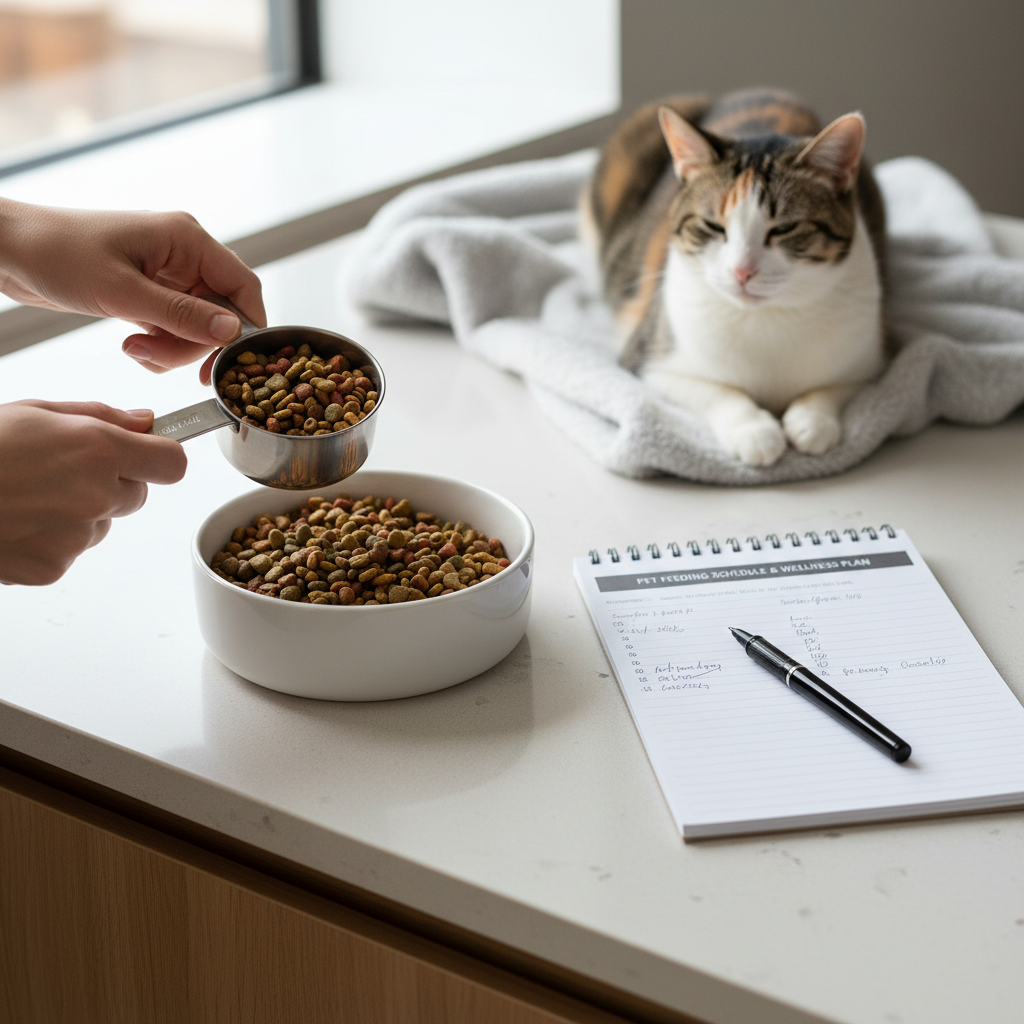
How to switch foods without making the stomach problem worse
A careful transition matters as much as the bag you buy. If you switch too fast, you can “create” diarrhea and then blame the new food unfairly.
A practical 10–14 day transition
- Days 1–3: 75% current food, 25% new
- Days 4–6: 50/50
- Days 7–10: 25% current, 75% new
- Days 11–14: 100% new
If stool softens, hold at the current ratio for a few extra days instead of pushing forward. If vomiting or diarrhea becomes frequent, pause the change and call your veterinarian for advice.
Portion control is part of digestion
- Feed smaller meals if your cat tends to scarf and vomit.
- Use a puzzle feeder or slow bowl for fast eaters.
- Keep treats under control during the trial period, ideally using the same protein source.
Real-world troubleshooting: what to do if symptoms continue
Sometimes you choose a reasonable “best dry cat food for sensitive stomach” option and it still doesn’t click. That doesn’t mean you failed, it usually means the trigger is different than you assumed.
- Vomiting only, stool normal: Consider hairballs, fast eating, or reflux-like patterns. A hairball-focused formula or feeding changes may help.
- Diarrhea more than vomiting: A simpler ingredient list and consistent feeding schedule often matters. Ask your vet about parasites testing if it keeps returning.
- On-and-off issues for months: This is where vet-guided diet trials (novel or hydrolyzed) become more valuable than guessing.
- Constipation signs: Dry-only feeding can be part of the problem for some cats, so adding wet food or a water fountain may help, with vet input if constipation is frequent.
According to Cornell University College of Veterinary Medicine, chronic GI signs can have multiple causes, and a veterinarian may recommend fecal testing, bloodwork, imaging, or a structured diet trial depending on the pattern.
Key takeaways (so you can pick a bag and move on)
- Pick one direction: LID, novel protein, sensitive digestion formula, or vet hydrolyzed, based on symptoms and history.
- Transition slowly and keep treats boring during the trial, consistency beats novelty here.
- Track patterns for 2–4 weeks when symptoms are mild, unless your vet advises otherwise.
- Escalate early for persistent vomiting/diarrhea, blood, lethargy, or weight loss.
Conclusion: choosing the right food without overcomplicating it
The best dry cat food for sensitive stomach is usually the one your cat tolerates consistently, with a simple ingredient profile and a transition that gives their digestion time to adjust. If you do nothing else, stop rapid-switching foods and run one controlled trial with a slow changeover.
If symptoms feel “bigger than food,” or they keep cycling back, it’s worth involving a veterinarian sooner rather than later. You’ll save time, money, and your cat a lot of discomfort.
If you want a clean next step, choose a single-protein or limited-ingredient dry formula, reduce treats for two weeks, and keep a simple log of stool and vomiting frequency, then reassess with your vet if improvement stalls.