
Best flea treatment for cats choices in 2026 usually come down to one thing: matching the product to your cat’s age, weight, health profile, and your home’s flea pressure, not just grabbing whatever has the loudest label. If you’ve ever treated your cat, seen a few fleas disappear, then watched them come right back, you already know how frustrating this can feel.
Fleas rarely stay “on the cat.” Eggs, larvae, and pupae end up in carpets, bedding, and cracks around the home, so a treatment can look like it “failed” when it simply didn’t cover the full life cycle, or didn’t last long enough to break reinfestation.
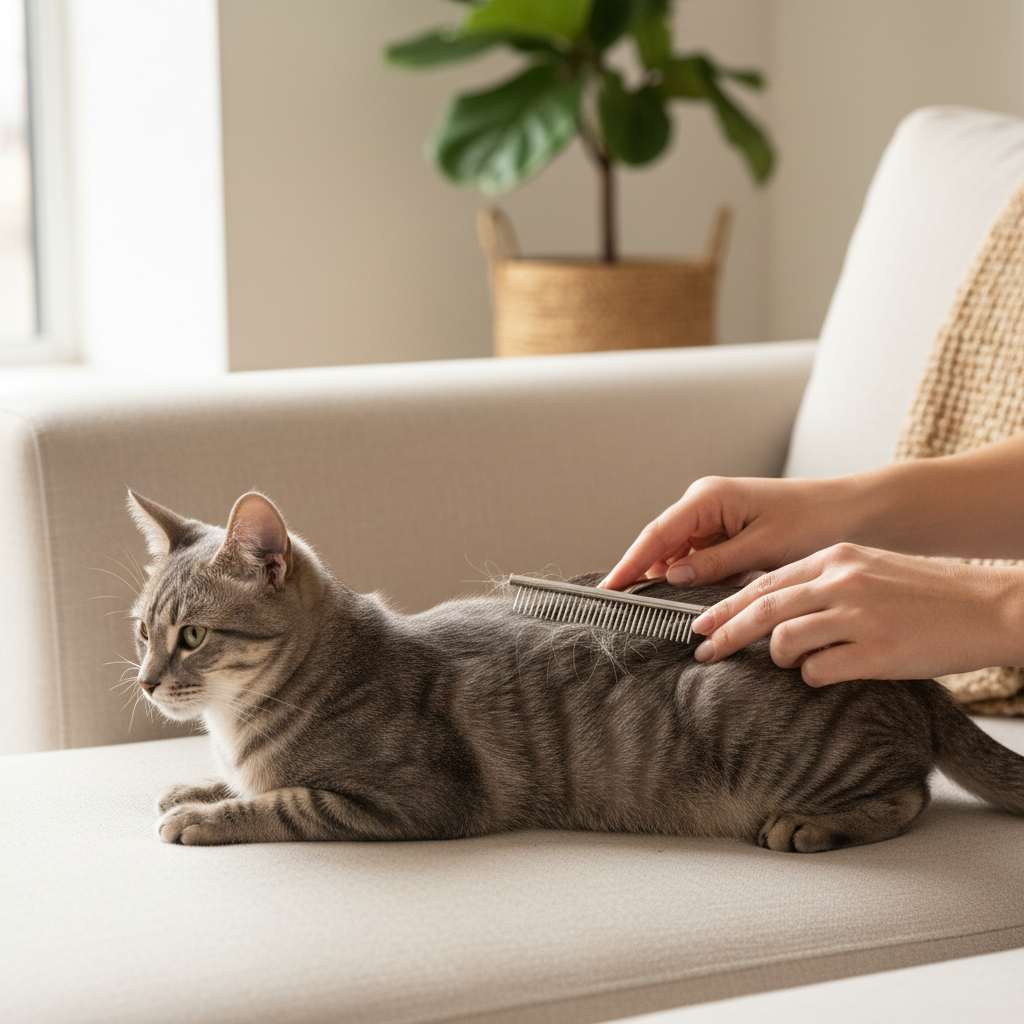
This guide helps you decide what to use, how to tell whether you need prescription support, and what “doing it right” looks like in real homes with multiple pets or indoor-outdoor cats. I’ll also call out common mistakes that waste money or create avoidable risk.
How flea treatments for cats actually work (and why some feel hit-or-miss)
Most cat flea control fits into a few categories: topical spot-ons, oral prescription meds, flea collars, and shampoos/sprays. The difference is not just convenience, it’s how the active ingredient moves and how long it stays effective.
- Topicals spread across skin oils and kill fleas on contact or after they bite, depending on the ingredient.
- Orals (prescription) circulate systemically and typically kill after fleas bite.
- Collars release actives over time, ideally giving longer coverage with less monthly effort.
- Shampoos/sprays can knock down live fleas fast, but often don’t prevent the next wave unless paired with longer-lasting protection.
According to the CDC, fleas can also transmit disease agents and cause allergic dermatitis in some pets, so it’s not just an “itch” issue in many households. If your cat has intense itching, hair loss, scabs, or pale gums, it’s smart to loop in a veterinarian sooner rather than trying three random products back-to-back.
Quick self-check: what situation are you in?
Before picking the best flea treatment for cats in your home, run this quick checklist. Your answers usually point to the category that fits.
- How many fleas are you seeing? One or two after a hike is different from daily flea dirt in the bedding.
- Indoor-only or indoor-outdoor? Outdoor exposure often needs stronger, consistent prevention.
- Other pets? Dogs can bring fleas in, and untreated pets keep the cycle going.
- Age/weight? Kittens and small cats have stricter safety limits.
- Skin sensitivity? History of reactions may steer you away from certain topicals or “essential oil” products.
- Do you need tick coverage too? Some cat products don’t cover ticks, and some dog tick products are dangerous for cats.
Key point: if you’re treating the cat but not the environment (washing fabrics, vacuuming, managing other pets), you may keep seeing fleas even with a decent product.
Best flea treatment for cats 2026: options compared
There isn’t one universal winner, but there are reliable categories that tend to perform better depending on the problem. Use the table to narrow choices, then confirm label instructions and, when needed, ask your vet for prescription options.
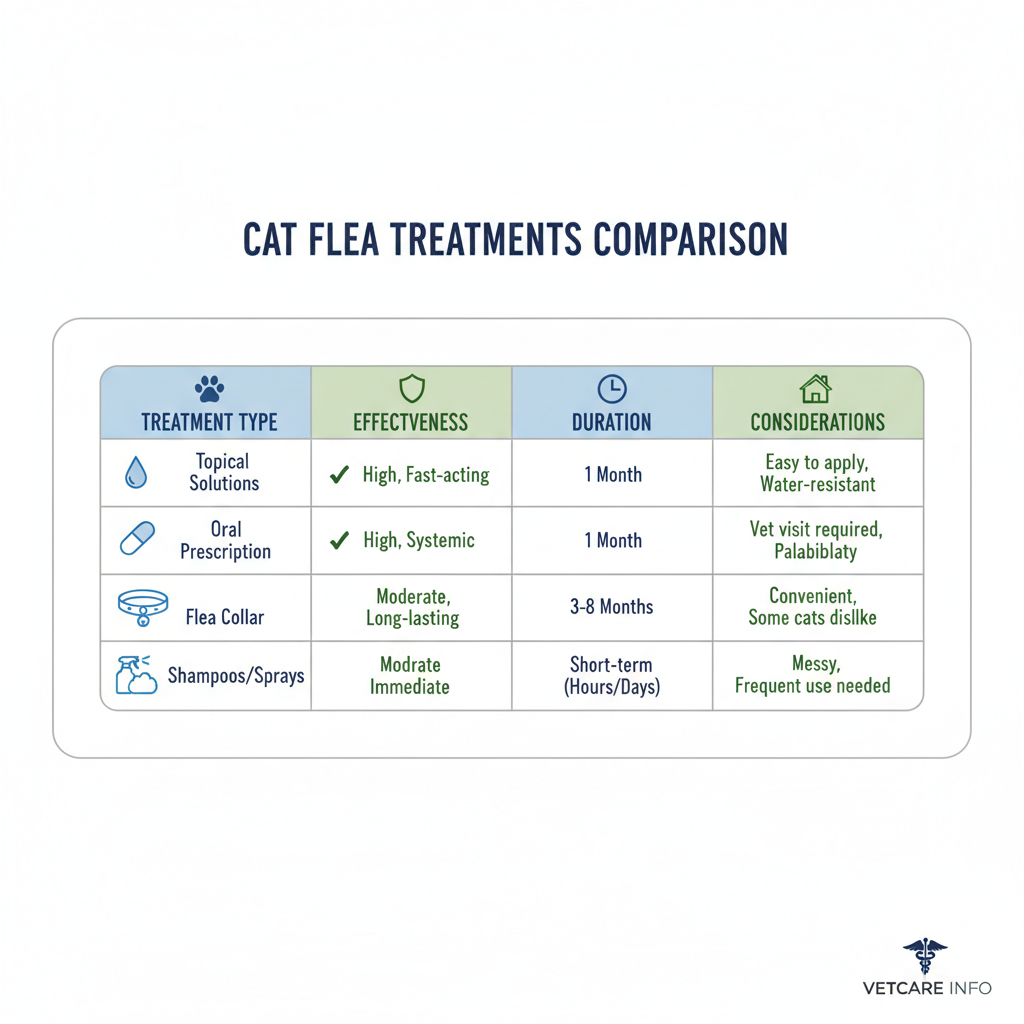
Comparison table (practical, not brand-hype)
| Type | Typical use case | What it’s good at | Common downsides | Best fit if you… |
|---|---|---|---|---|
| Topical spot-on (OTC or Rx) | Monthly prevention | Easy routine, broad availability | Application errors, bathing/grooming can reduce effectiveness | Want a consistent monthly plan and your cat tolerates skin products |
| Oral prescription | Moderate to heavy infestations | Strong kill after bite, helpful when topicals fail | Requires vet, not ideal for every cat medical history | Need a reset or your home keeps reinfesting despite correct topical use |
| Flea collar (cat-specific) | Longer-term prevention | Less monthly effort, steady release | Fit issues, some cats dislike collars, safety concerns if not used correctly | Struggle to apply topicals monthly or have multiple cats |
| Shampoo/spray/comb | Immediate knockdown | Fast relief, removes live fleas | Short duration, rarely enough alone | Need quick relief while you start a longer-lasting plan |
What many cat owners overlook
- Correct weight range matters. Underdosing can look like “resistance,” overdosing can raise safety risk.
- Cat-only products are non-negotiable. According to the ASPCA Animal Poison Control Center, some dog flea/tick products (notably those containing permethrin) can be toxic to cats.
- Duration is part of effectiveness. A product can kill fleas today and still “fail” if it doesn’t protect long enough to break the cycle.
How to choose the right product for your cat (by scenario)
This is where the “best flea treatment for cats” becomes personal. Pick the scenario closest to your home, then use it as a starting point.
1) You’re seeing occasional fleas (light exposure)
- Use a reputable monthly preventive (topical or collar) designed for cats.
- Comb 2–3 times per week for two weeks, mainly to confirm progress.
- Wash cat bedding weekly during the first month.
2) You’re seeing flea dirt, itching, or repeated reinfestation
- Consider vet guidance for prescription options, especially if OTC topicals didn’t hold.
- Commit to at least 8–12 weeks of consistent prevention in many households, because pupae can emerge later.
- Treat all pets in the home with species-appropriate products.
3) You have a kitten, senior cat, or a cat with chronic illness
- Check the minimum age/weight on the label every time, even if you “used it before.”
- For cats with seizures, liver disease, or on multiple meds, a vet should help pick an ingredient profile.
- Skip “DIY essential oil” blends; cats can be sensitive to certain compounds.
4) Multi-cat homes (and the cats groom each other)
- Ask your vet whether a collar or an oral prescription fits better than a topical that can be licked.
- If using a topical, separate cats until the application site dries fully.
- Make dosing day simple: same calendar date, reminder, and log it.
Step-by-step: a practical flea-control plan that actually sticks
If you want fewer “it worked for a week” moments, run this as a system instead of a one-off treatment.
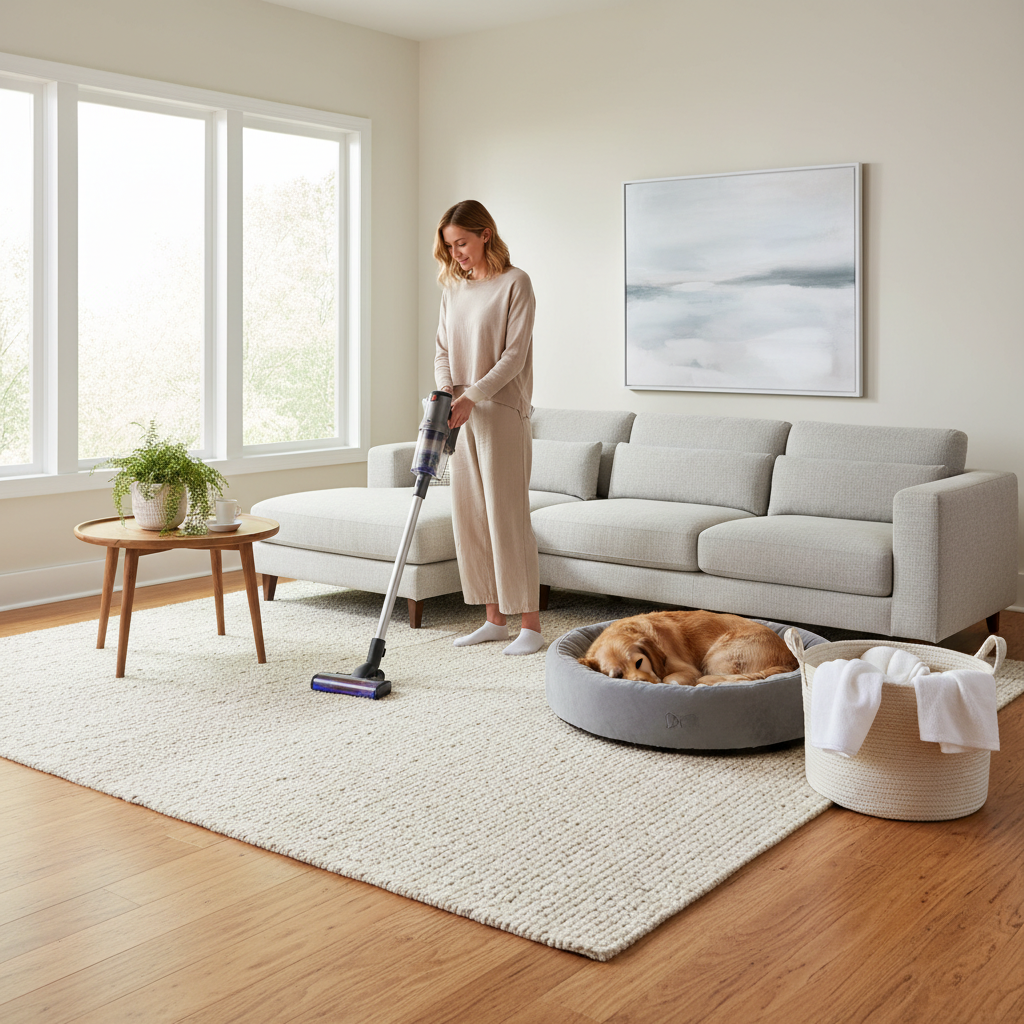
- Day 1: Start cat-safe treatment (topical/oral/collar) based on label and vet advice, then comb to gauge baseline.
- Week 1–2: Vacuum carpets and upholstery frequently, empty the canister outside, wash pet bedding and throw blankets hot when fabric allows.
- Week 3–4: Keep prevention consistent even if you see fewer fleas, this is where many people stop too early.
- Month 2–3: Reassess. If fleas persist, you may need a different active ingredient, better environmental control, or vet evaluation for flea allergy dermatitis.
Key takeaways (pin these)
- Consistency beats switching. Changing products every two weeks often creates confusion, not results.
- Environment counts. If the home stays “flea-friendly,” your cat keeps getting re-exposed.
- Safety is part of effectiveness. The right product used correctly outperforms a stronger product used sloppily.
Common mistakes that waste money (or create risk)
- Using dog flea meds on cats. This is a top reason for preventable toxic exposures.
- Applying to fur, not skin. Part the hair and apply to skin where your cat can’t easily lick.
- Bathing too soon. Some topicals need time to distribute; bathing right after may reduce performance.
- Ignoring the other pet. One untreated dog can keep fleas circulating.
- Assuming “natural” equals safe. Cats metabolize some compounds differently, and reactions happen.
According to the FDA, pet owners should follow label directions carefully and monitor for adverse reactions with flea and tick products, contacting a veterinarian if concerning signs appear.
When to call a vet (and what to ask)
Home care covers a lot, but certain situations deserve professional input. If your cat shows lethargy, drooling, tremors, vomiting, trouble walking, pale gums, or severe skin irritation, stop the product and contact a veterinarian promptly. For urgent toxin concerns, many people also contact poison control resources recommended by their vet.
- Ask about ingredient rotation if you suspect reduced efficacy or you live in a high-flea area.
- Ask whether you’re seeing flea allergy dermatitis, which can look like “a few fleas causing a huge reaction.”
- Confirm kitten-safe options if your cat is under the common age/weight thresholds on OTC labels.
Conclusion: picking the best option without overthinking it
The best flea treatment for cats in 2026 is usually the one you can use correctly every time, that fits your cat’s life stage, and that matches your real flea exposure at home. If you’ve been stuck in the loop of brief relief then rebound, focus less on hunting for a magic brand and more on a consistent plan that includes your environment and every pet in the household.
If you want a simple next step, choose one vet-aligned preventive category, set a calendar reminder for dosing, and pair it with two weeks of aggressive vacuuming and bedding washes, then reassess before you switch products.
FAQ
- What is the best flea treatment for cats if my cat never goes outside?
Indoor cats can still get fleas from people, other pets, or shared hallways. Many indoor-only cats do well with consistent monthly prevention, but the “best” choice depends on sensitivity and whether other pets go outdoors. - Why do I still see fleas after treating my cat?
You may be seeing newly emerged fleas from pupae in the home, or the product may have been applied incorrectly. In heavy infestations, environmental control and treating all pets usually makes the difference. - Are flea collars safe for cats?
Many cat-specific collars are designed for safety, but fit, correct use, and the individual cat matter. If your cat hates collars, grooms intensely, or has skin issues, talk with a veterinarian about alternatives. - Can I bathe my cat to get rid of fleas?
Bathing can reduce live fleas, but it often won’t prevent reinfestation by itself. If you use a topical product, check the label about bathing timing so you don’t reduce effectiveness. - What’s the safest flea treatment for kittens?
It depends on age and weight, and labels vary by product. For young kittens, veterinary guidance is usually the safest route because dosing and ingredient choice are tighter. - Do I need to treat my home if I use a monthly preventive?
If you’re dealing with more than a stray flea, yes, at least temporarily. Vacuuming, washing bedding, and managing other pets helps break the life cycle and shortens the time to relief. - How long does it take to fully get rid of fleas?
Many homes need several weeks of consistent prevention and cleaning because flea stages develop at different times. If you see no improvement after a reasonable window, a vet can help reassess the plan.
If you’re trying to decide between a topical, collar, or prescription approach and you’d rather not guess, a quick vet check or telehealth consult can help match an option to your cat’s weight, lifestyle, and any medical history, then you can commit to one plan with fewer false starts.