
Best dog bowls stainless steel choices tend to win on durability and cleanup, but not every “stainless” bowl behaves the same once you add an eager eater, a dishwasher, and a slick kitchen floor.
If you’re shopping for 2026, the real goal is simple, pick a bowl that stays put, fits your dog’s meal style, and doesn’t create extra work, because a bowl should be boring in the best way.
This guide focuses on what actually separates a good stainless bowl from a frustrating one, how to choose a size that makes sense, what to avoid in “non-slip” marketing, and when it’s worth paying for heavier gauge steel or a better base.
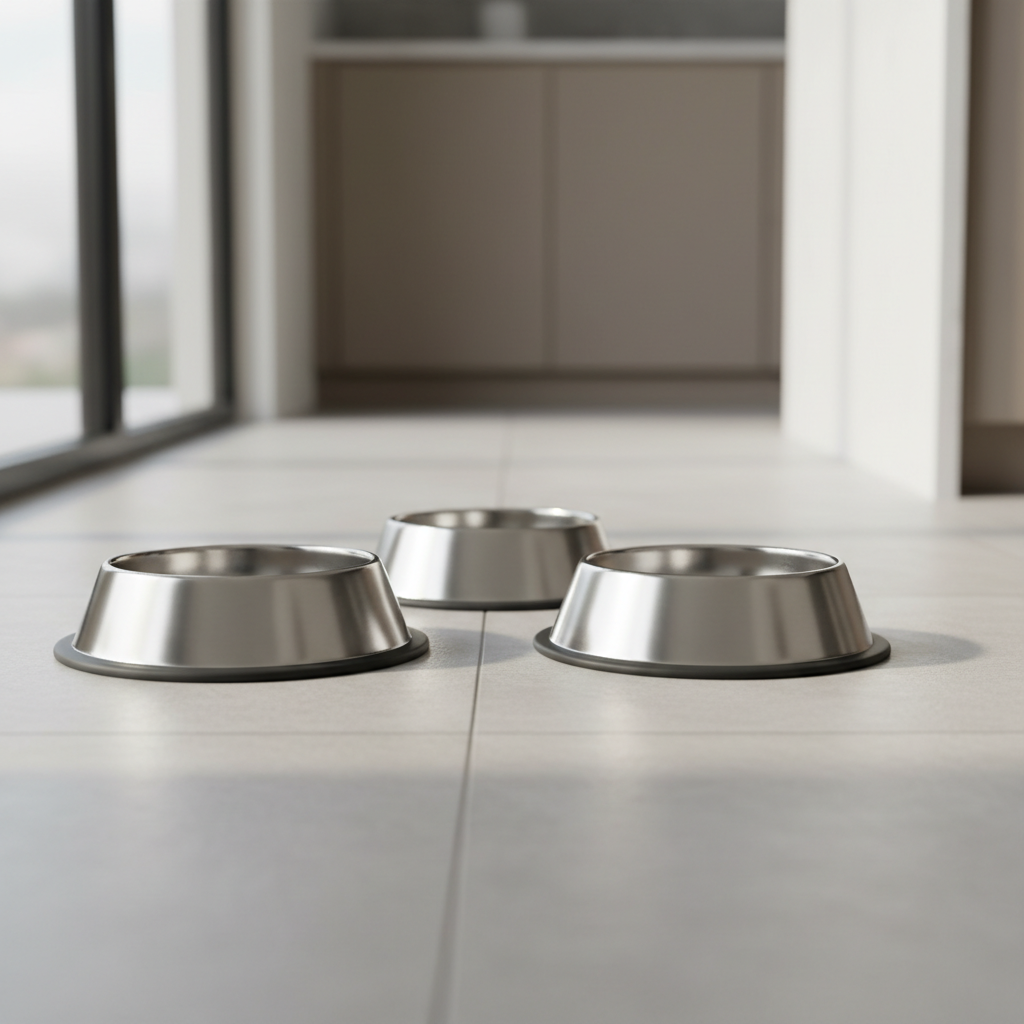
What “best” really means for stainless steel dog bowls
Most people start with “stainless is safe,” and that’s usually a reasonable instinct, but the “best” bowl depends on how your dog eats, where the bowl lives, and what annoys you most day to day.
- For fast eaters: a wider base and heavier bowl can reduce skating, and a slow-feeder insert can help, though inserts add cleaning steps.
- For messy drinkers: deeper water bowls and a stable base matter more than a mirror polish.
- For large breeds: capacity and wall thickness keep the bowl from denting or flexing, especially when carried around by the rim.
- For travel/crates: lighter bowls work, but look for rolled rims and a finish that won’t chip or flake.
According to FDA (U.S. Food & Drug Administration) guidance on food-contact materials, surfaces should be durable and easy to clean, which is one reason stainless is often preferred over porous options, even though pet bowls aren’t regulated the same way as human cookware.
Quick comparison table (features that matter in 2026)
This table isn’t a brand ranking, it’s a practical shortlist of what to look for when comparing listings, packaging, or product pages for stainless bowls.
| Feature | Why it matters | Good sign | Watch out for |
|---|---|---|---|
| Steel grade | Corrosion resistance and long-term wear | 304 stainless steel clearly stated | Vague “stainless” with no grade listed |
| Weight / gauge | Stability, dent resistance, less tipping | Heavier bowl, thicker walls, rolled rim | Ultra-thin bowls that flex when lifted |
| Non-slip base | Stops skating on tile/wood | Full-ring rubber or silicone base that’s bonded well | Loose rubber ring that traps grime or falls off |
| Dishwasher behavior | Daily cleaning convenience | Simple shape, minimal seams, removable base if needed | Hidden crevices where residue builds up |
| Shape | Comfort for snub-nose or long-eared dogs | Wide, shallow options available | Narrow deep bowls for flat-faced breeds |
| Noise | Some dogs dislike clanking, especially in crates | Matte finish, rubber base, heavier steel | Thin metal that rings on hard floors |
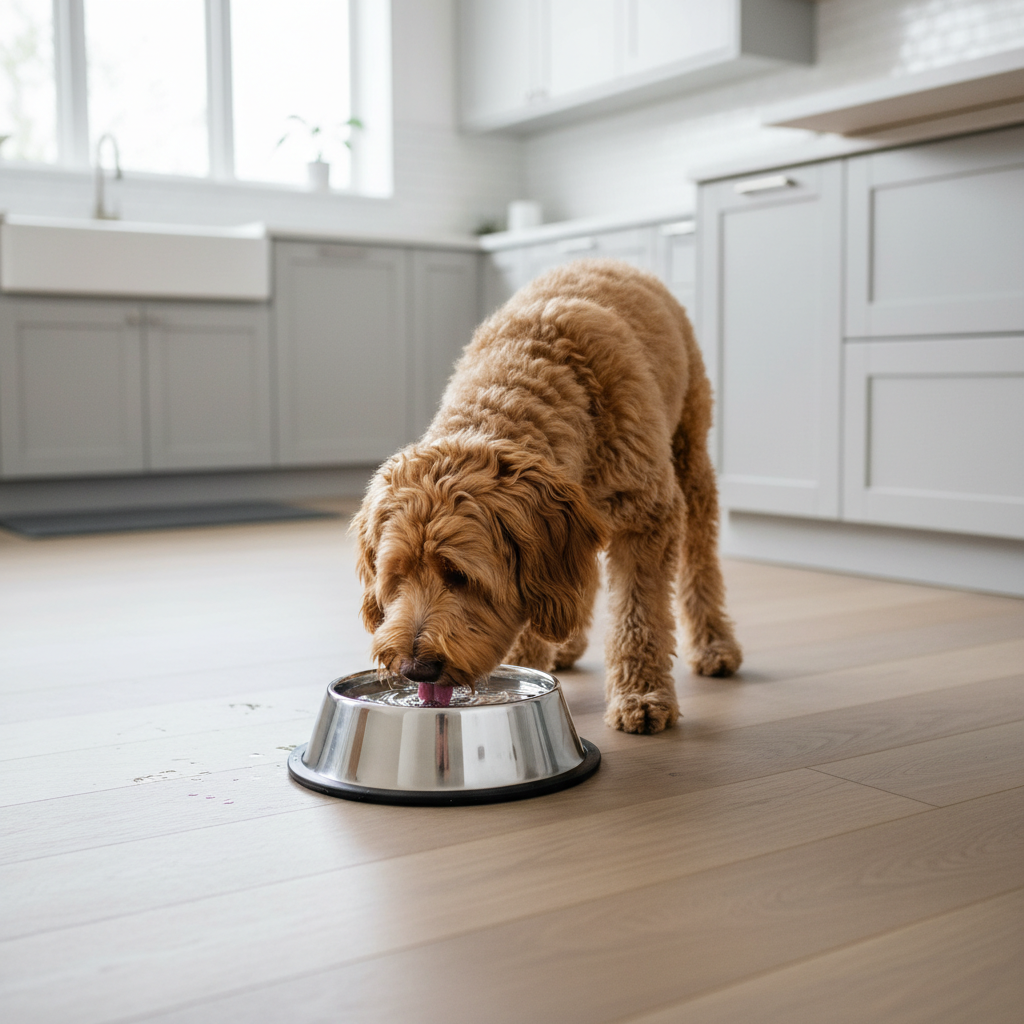
Why stainless bowls sometimes still disappoint (common causes)
Stainless steel gets a “set it and forget it” reputation, but a few predictable issues keep showing up in real homes.
- “Rust spots” that are really residue: hard-water minerals or food film can look like corrosion. A proper scrub and dry often clarifies what you’re dealing with.
- Sliding even with “non-slip”: small rubber rings can reduce noise but still skate on smooth tile, especially if the ring is thin or worn.
- Smell retention: stainless itself usually doesn’t hold odor, but seams under a bonded base or scratches can trap oils.
- Whisker stress for cats, and rim irritation for dogs: less common in dogs, but narrow bowls can feel awkward for some pets, causing tentative eating.
- Dishwasher mismatch: high heat plus a glued-on base can loosen parts over time, and then you get that annoying wobble.
If you’re trying to identify the best dog bowls stainless steel for your home, it helps to treat “non-slip,” “heavy duty,” and “premium” as starting points, not proof.
A fast self-check: which bowl type fits your dog?
Before you buy, answer these quickly, you’ll narrow the options in two minutes.
- Your dog flips or pushes bowls? Look for a wider footprint, heavier steel, and a full silicone base, or consider a stand with a lock-in ring.
- Lots of drool or splashing? Go deeper for water, and consider a bowl mat; no base fully stops a “digging” paw.
- Flat-faced breed (bulldog, pug, etc.)? A wider, shallower bowl usually reduces face contact and frustration.
- Long ears (cocker spaniel, basset, etc.)? A narrower opening can keep ears cleaner, but don’t go so narrow your dog struggles to access food.
- Multiple pets? Matching bowl sizes helps portion control, and separate water bowls can reduce resource guarding in some households.
- Crate feeding? Consider a crate-mounted stainless bowl to reduce spills, but confirm bar spacing and latch style.
One more practical cue, if you’re replacing bowls often because they look “gross,” the issue is typically base design and cleaning access, not stainless as a material.
How to choose the right size and shape (without overbuying)
Most returns happen because the bowl is either comically huge or annoyingly small, not because the steel grade is wrong.
Pick capacity based on real portions, not breed guesses
- Food bowls: aim for a bowl that holds your typical meal portion with extra room so kibble doesn’t bounce out when your dog eats fast.
- Water bowls: choose larger if you refill constantly or you’re gone for stretches, but remember bigger water bowls also mean bigger spills.
Shape is a comfort feature, not a luxury
- Wide + shallow: often easier for short-snout dogs and dogs who dislike their tags clanking into a narrow rim.
- Deeper bowl: can reduce splashing for some drinkers, though some dogs paddle regardless.
- Rolled rim: feels nicer in hand and tends to resist dents, it also helps keep the bowl from “sharp edge” wear over time.
If you’re stuck between two sizes, many households do better sizing up for water and staying moderate for food, because stale leftover kibble in an oversized bowl turns into a daily cleaning chore.
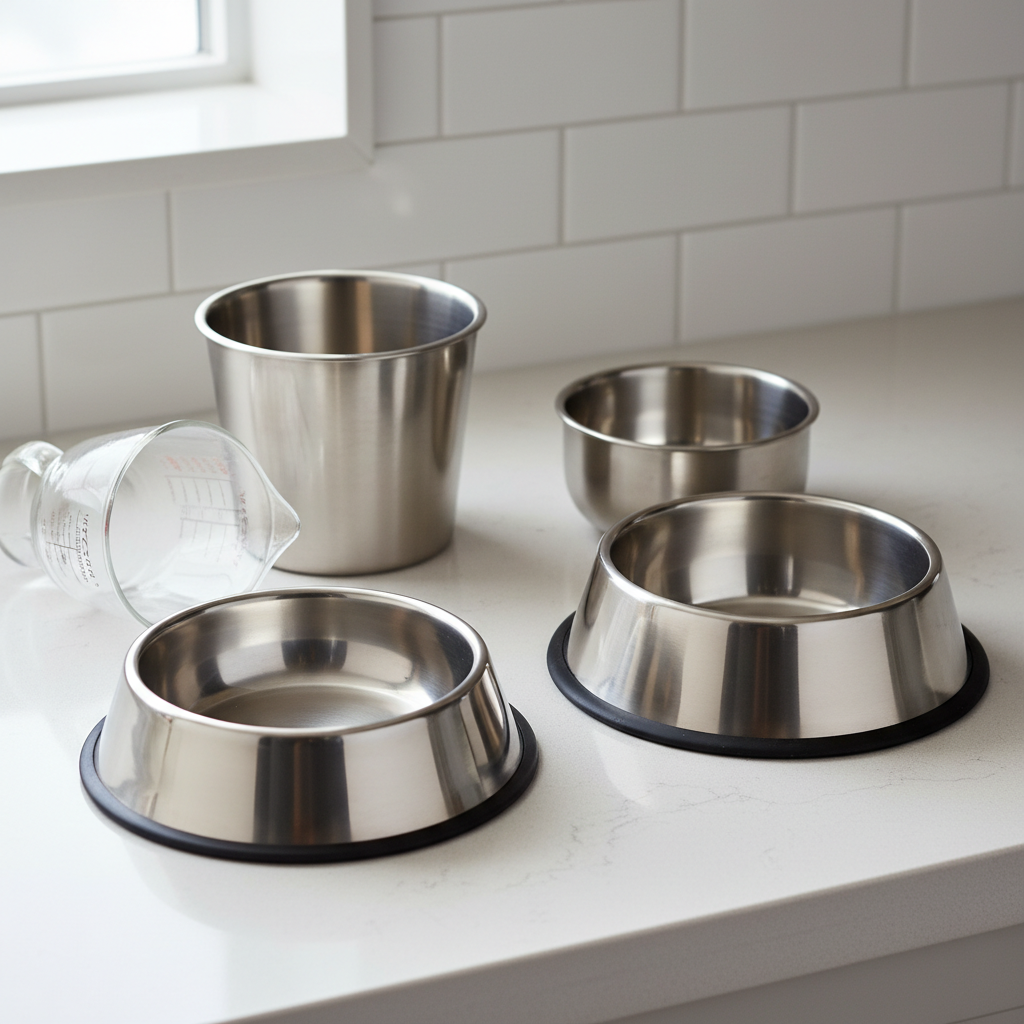
Practical buying checklist (what to look for on listings)
Product pages can be vague, so use this as your filter. If a listing can’t answer most of these, it’s a gamble.
- Steel grade stated: ideally 304 stainless steel; 201 stainless exists and is often cheaper, but may be less corrosion-resistant in some environments.
- Base type: full silicone/rubber bottom vs a thin removable ring, the full bottom usually grips better and reduces noise.
- Seams and underside: fewer creases means easier cleaning; bonded bases can hide residue if water gets underneath.
- Dishwasher notes: “dishwasher safe” is common, but check whether the base is removable and how it’s attached.
- Finish: brushed or matte finishes often hide scratches better than mirror-polished bowls.
- Return policy: bowls are low-cost items, but sizing mistakes happen; a decent return option saves frustration.
For shoppers comparing best dog bowls stainless steel options across marketplaces, steel grade plus base design usually predicts satisfaction better than a long feature list.
Care, cleaning, and safety notes (what actually helps)
Stainless bowls are low-maintenance, not no-maintenance. A few habits keep them from getting funky.
- Wash daily: especially for wet food; bacterial growth risk varies by temperature and diet, so daily washing is a sensible baseline.
- Skip abrasive pads on mirror finishes: scratches aren’t automatically dangerous, but they can hold residue and make bowls look older faster.
- Watch the rubber base: if the base traps moisture, remove it when possible and dry underneath, that’s where smells tend to start.
- Don’t ignore chin acne or irritation: if your pet shows skin issues around the mouth, consider swapping bowl style and talk with a veterinarian, causes vary and it’s not always the bowl.
According to CDC, cleaning and disinfecting food and water containers is a basic step to reduce germ exposure in the home, and pet bowls fall into that “daily-use, high-contact” category even if your dog seems fine.
Common mistakes to avoid (they waste money)
A few buying patterns look smart but backfire in normal use.
- Buying ultra-cheap “stainless” with no grade: it may still work, but you’re accepting unknowns on corrosion resistance and finish quality.
- Over-indexing on “non-slip” claims: a tiny ring doesn’t behave like a full base, and some dogs can still push anything lightweight.
- Choosing a bowl solely by ounces: two bowls with the same capacity can feel completely different due to shape and rim width.
- Assuming heavier always equals better: heavy is great for stability, but can be annoying for travel, and can chip fragile tile if dropped.
If your priority is easy ownership, the best value often comes from a mid-priced, clearly labeled 304 bowl with a well-designed base, not the fanciest “set.”
Conclusion: a simple way to pick in 2026
The best dog bowls stainless steel purchases usually come down to three checks, confirm a reputable steel grade, pick a base that matches your floors and your dog’s enthusiasm, and choose a shape your dog actually enjoys using.
Action steps that work: measure your current bowl diameter and depth, decide whether sliding or cleaning is your main pain point, then buy one bowl first before committing to a multi-pack, you’ll learn more in a week than from any spec sheet.