
How to calm a dog during fireworks usually comes down to two things, lowering the noise impact and helping your dog feel safely “contained” while the booms happen.
If you’ve ever watched your dog pace, pant, hide, or try to bolt when fireworks start, you already know this is not “bad behavior”, it’s fear, and fear can escalate fast, especially around July 4th and New Year’s in the U.S.
This guide walks you through a practical plan you can run the same day, plus a longer-term approach for next time, including what helps, what tends to backfire, and when it’s smarter to call your vet or a credentialed trainer.
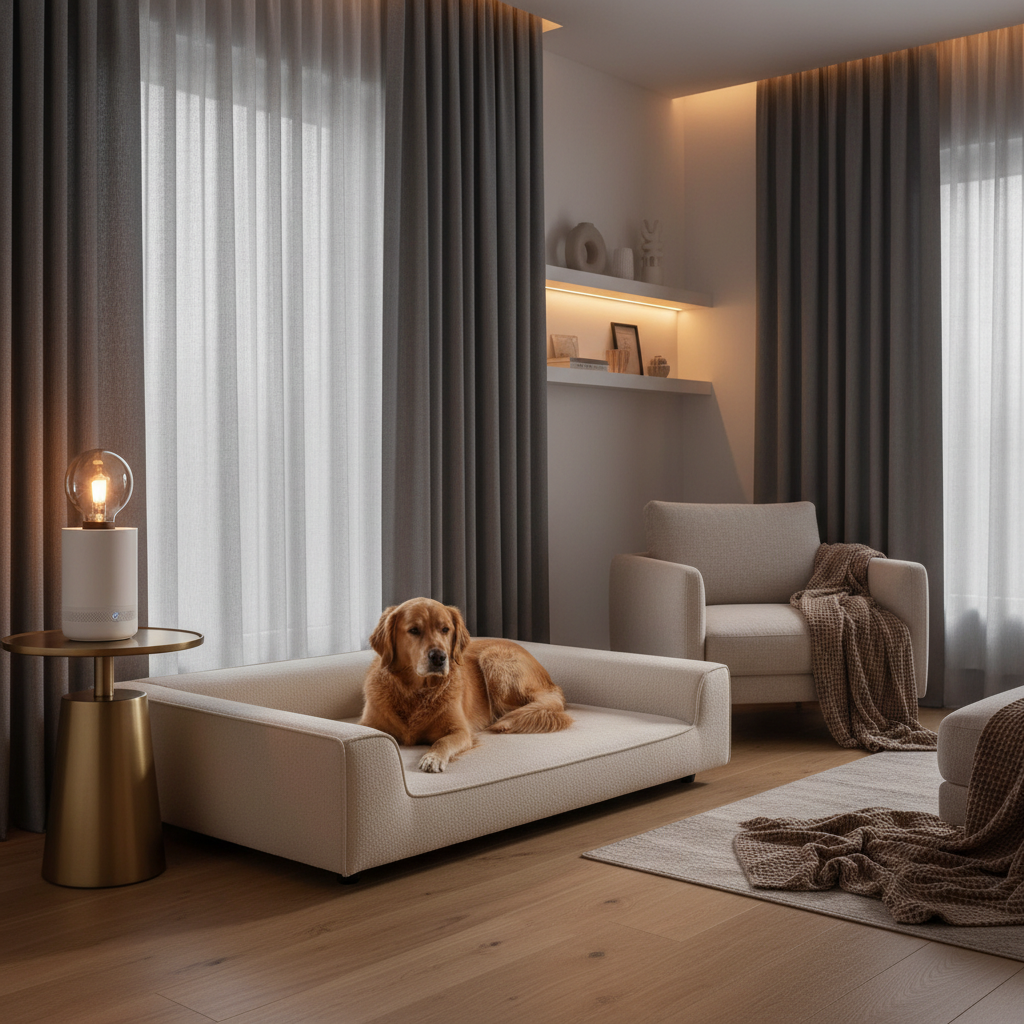
Why fireworks trigger anxiety (and why it can get worse each year)
Fireworks are unpredictable, loud, and often paired with vibrations and flashes, so many dogs read them as danger. Some dogs also struggle because they can’t locate the sound source, which makes “escape” feel like the only option.
Many households notice the fear grows over time, not because the dog is being dramatic, but because repeated scary events can condition a stronger response. According to the American Veterinary Medical Association (AVMA), noise aversion and noise phobias are common in dogs, and early support can help prevent escalation.
- Genetics and temperament: some dogs are simply more noise-sensitive.
- Past experiences: one bad night can create a lasting association.
- Owner response: chaotic reactions can unintentionally add tension, even when your intent is comfort.
- Poor management: windows open, no safe space, or outdoor access increases panic risk.
Quick self-check: what level of support does your dog likely need?
Before you choose tools, get honest about intensity. A dog who startles then recovers needs a different plan than a dog who tries to chew through a door.
| Signs you see | What it often means | What to do next |
|---|---|---|
| Panting, pacing, seeking you, mild trembling | Moderate anxiety | Safe room + sound buffering + calming routine |
| Hiding, drooling, shaking hard, won’t take treats | High fear, limited learning window | Management now, training plan later, consider vet support |
| Trying to escape, destructive scratching, self-injury risk | Severe panic / phobia | Vet guidance recommended, safety-first setup, possible medication |
Key point: if your dog can’t eat, can’t settle, or might hurt themself, your priority is safety and reducing intensity, not “training through it” in the moment.
Same-day setup: your step-by-step “fireworks plan”
How to calm a dog during fireworks gets easier when you stop improvising at 9:45 p.m. and instead run a simple checklist.
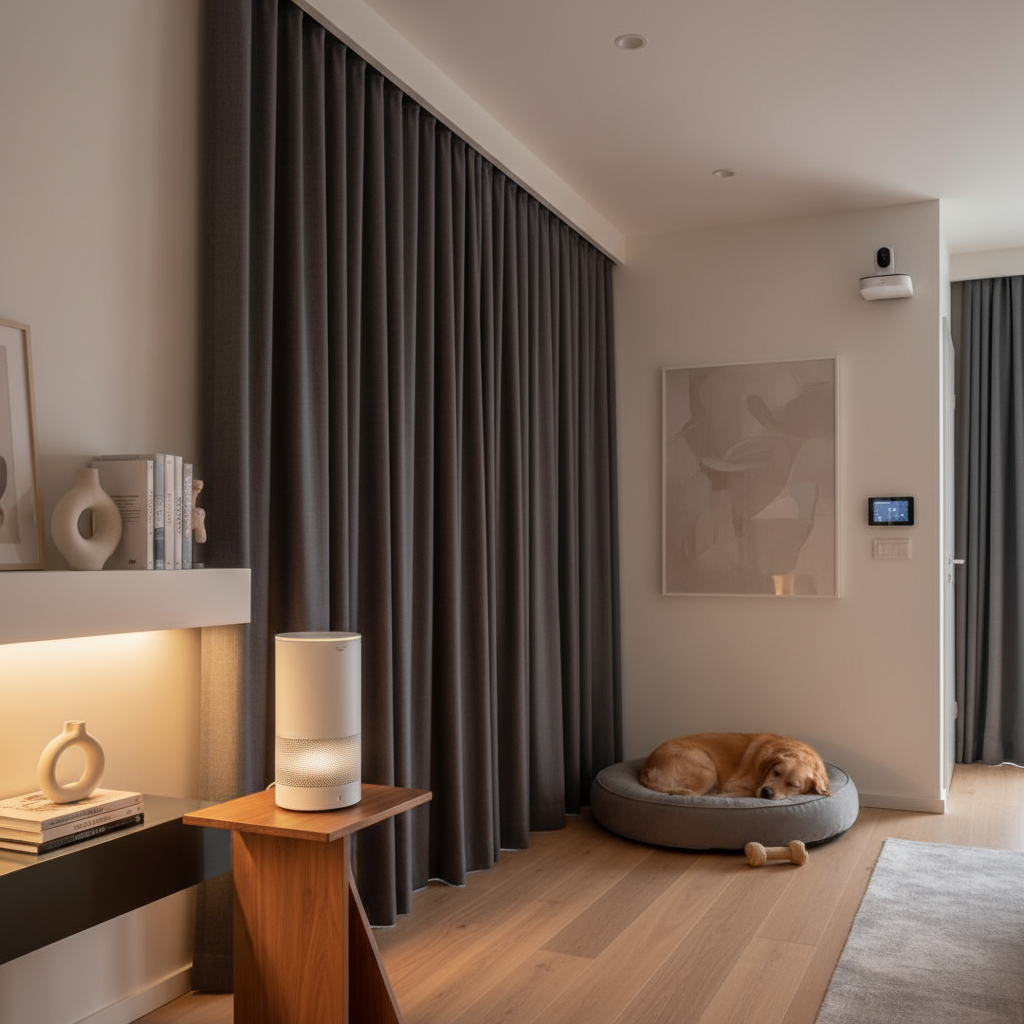
Create a safe zone that feels boring (in a good way)
- Choose an interior space, often a bathroom, closet, or laundry room, anywhere with fewer windows.
- Add a thick bed, familiar blanket, and a water bowl, keep lighting soft.
- Close curtains, shut doors, and block under-door gaps with a towel if it helps.
Mask sound, don’t chase silence
- Run a fan, white noise, or steady music, consistent sound usually works better than “quiet”.
- Keep TV volume moderate, sudden volume jumps can startle sensitive dogs.
Use calm, predictable handling
- Stay nearby if your dog seeks you, your presence can be grounding.
- Pet only if it seems to relax them, some dogs prefer space when scared.
- Speak normally, you’re aiming for “this is manageable,” not a worried tone.
Plan potty breaks like you mean it
If fireworks are likely, do a longer walk earlier, then switch to short leashed breaks. In many neighborhoods, fireworks start early and pop randomly, so off-leash yard time can be risky.
- Use a secure leash and harness, check fit, many dogs back out when startled.
- Bring high-value treats, keep the trip quick, return indoors before your dog spirals.
- If your dog refuses to go, don’t force it, try again later.
What you can do during fireworks (minute-to-minute)
Once the noise starts, your goal is not a perfect “calm dog,” it’s a dog who stays safe and gradually lowers arousal. That’s a more realistic win.
Offer a job that supports soothing
- Licking: frozen Kong with wet food, lick mat, plain yogurt if your dog tolerates dairy.
- Chewing: appropriate chew that your dog handles safely, supervise if they gulp.
- Sniffing: scatter treats in a towel or snuffle mat, sniffing can downshift stress.
Try gentle pressure if your dog likes it
Some dogs relax with snug pressure. A well-fitted anxiety wrap or thunder-style shirt can help, but reactions vary, so test it on a calm day first. If your dog freezes, pants harder, or tries to remove it frantically, skip it.
Don’t trap a panicking dog
It’s okay to block unsafe areas, but avoid cornering or crowding. A fearful dog can bite out of panic, even if they’re normally sweet.
Training for next time: reduce sensitivity, don’t “flood”
How to calm a dog during fireworks long-term usually requires training when the sky is quiet. What you’re aiming for is desensitization and counterconditioning, meaning the sound predicts good things at a level your dog can handle.
According to the American Animal Hospital Association (AAHA), behavior concerns like noise aversion often improve with a combination of behavior modification and, for some dogs, medication support discussed with a veterinarian.
A simple two-week starter plan
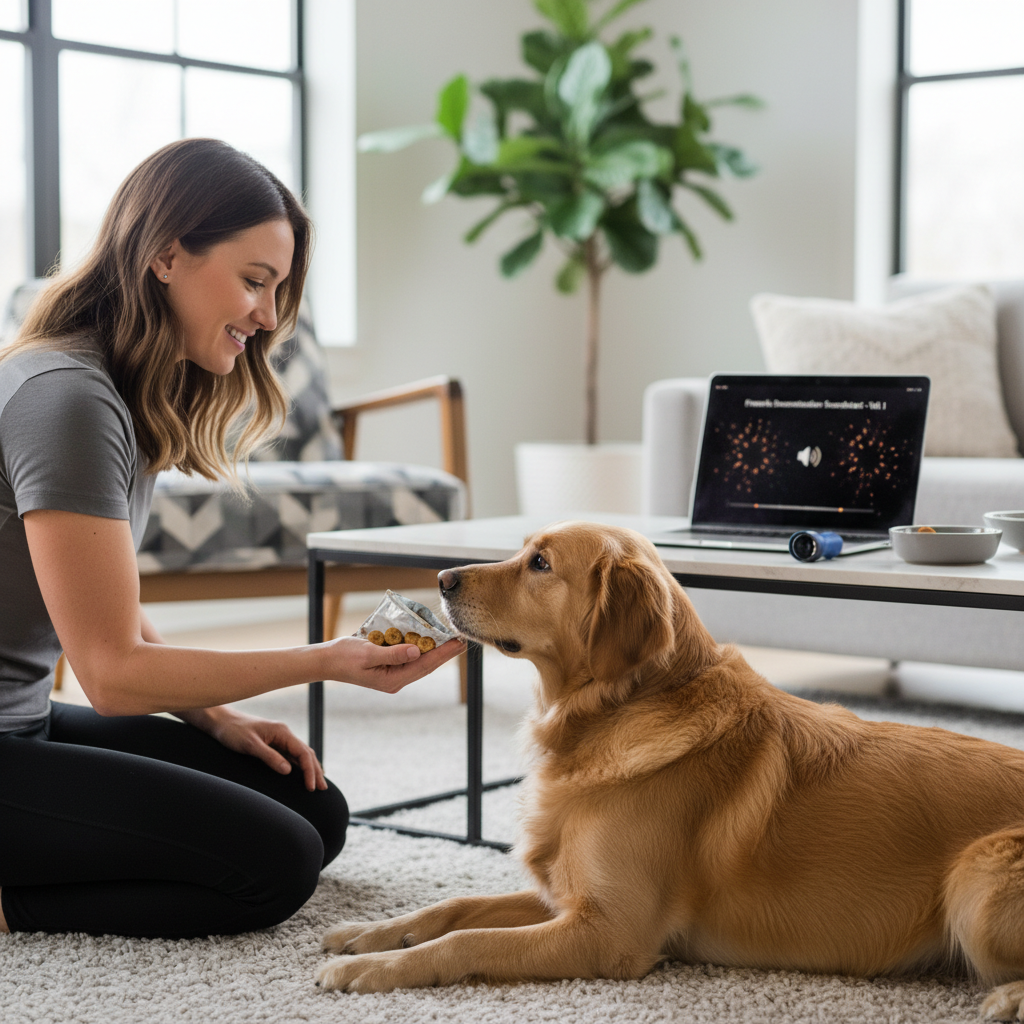
- Play recorded fireworks at very low volume, your dog should still take treats and relax.
- Pair the sound with something great, tiny chicken pieces, a favorite game, dinner.
- End sessions before your dog gets tense, short and easy beats long and stressful.
- Increase volume slowly across days, if your dog reacts, drop back down.
Common sticking point: people raise volume too fast because the dog “seems fine,” then the first real firework night blows up the progress. Go slower than you think you need.
Calming products and options: what tends to help vs. what’s hype
There’s no single product that works for every dog, but some categories are worth trying, especially if you test them before a holiday.
Often helpful (for some dogs)
- Sound masking tools: fans, white noise, calming music.
- Food puzzles: lick mats, Kongs, snuffle mats.
- Pressure wraps: only if your dog finds it comforting.
- Pheromone diffusers/sprays: results vary, but many owners report mild support.
Use caution
- Over-the-counter “sedatives”: ingredient quality varies, ask your vet before combining products.
- Essential oils: some can irritate or be unsafe for pets, especially in diffusers.
Medication (talk to your vet)
If your dog has severe panic, prescription options may be appropriate. This is especially true if there’s risk of injury or escape. Don’t wait until the night of fireworks if you can help it, clinics get slammed around major holidays.
Mistakes that accidentally make fireworks fear worse
- Waiting until the booms start: you lose your window to set the environment.
- Leaving a fearful dog in the yard: escape attempts happen fast, and lost-dog reports spike after fireworks in many areas.
- Punishing “acting out”: it adds threat to an already scary situation.
- Trying to “expose them to get used to it”: flooding can deepen fear, especially with loud, unpredictable blasts.
- Forcing social comfort: hugs and close face contact can overwhelm some dogs.
Key takeaway: management during fireworks is not failure, it’s what protects your dog so training can work later.
When to get professional help (and what kind)
If your dog has intense reactions, it’s reasonable to loop in a professional. You’re not overreacting, you’re preventing injury and improving quality of life.
- Call your veterinarian if your dog injures themself, won’t eat for hours, has ongoing diarrhea/vomiting with stress, or panic seems extreme.
- Look for a qualified trainer who uses reward-based methods and has experience with noise phobias, credentials matter.
- Consider a veterinary behaviorist for complex cases, multiple anxieties, or when medication planning might help.
Conclusion: a calmer night is usually built, not hoped for
How to calm a dog during fireworks is rarely one magic trick, it’s a stack of small choices: a safer room, better sound buffering, a soothing activity, and a plan for next week, not just tonight.
If you do two things, make it these: set up the safe zone before dusk, and run a calming “job” like licking or sniffing once the first pops begin. Then, when the holiday passes, start the low-volume training so next season feels less like damage control.
Quick key points to remember
- Safety beats training during active fireworks.
- Sound masking + a cozy interior room often helps more than you expect.
- Severe panic deserves veterinary guidance, especially if escape or injury is possible.
FAQ
- What if my dog hides and won’t come out during fireworks?
Let them stay in their chosen safe spot if it’s safe, bring water nearby, and avoid dragging them out. You can quietly add white noise and offer a lick mat at the edge of the hiding place. - Should I comfort my dog or ignore them?
Comfort is fine if it helps your dog settle. The bigger issue is your tone and pressure, keep it calm, avoid frantic reassurance, and don’t force contact if your dog prefers distance. - Do thunder shirts work for fireworks anxiety?
For some dogs, yes, especially when introduced ahead of time and paired with calm activities. If your dog shows agitation when wearing it, it’s not the right tool for them. - Can I give my dog melatonin or calming chews?
Some owners use them, but responses and safety depend on dose, ingredients, and your dog’s health. It’s smart to ask your veterinarian, especially if your dog takes other medications. - My dog won’t take treats during fireworks, what now?
That usually means fear is too high for food-based coping. Shift to management: darker room, more sound masking, give space, and consider veterinary support for future events. - Is it okay to crate my dog during fireworks?
If your dog already loves the crate, it can be a great “den.” If they panic in confinement, crating can increase injury risk, try an enclosed room or exercise pen instead. - How early should I start preparing for July 4th fireworks?
Ideally 1–2 weeks ahead for basic sound training and product testing. Even same-day prep helps, but earlier gives you more control and fewer surprises.
If you’re trying to make fireworks nights easier and want a more “set it up once, reuse it every holiday” routine, it may help to build a written checklist for your home and share it with your family, so your dog gets the same calm plan no matter who’s home.