
Dog fence training collar setup goes wrong in a pretty predictable way: the collar fit slips, the correction level stays too high or too low, and the dog learns “random discomfort” instead of “boundary.” The good news is that most issues are fixable with a calmer plan and better adjustment, not more power.
If you bought an adjustable collar because you wanted flexibility, you’re thinking in the right direction, but adjustability cuts both ways, it helps only when you know what to adjust and when to leave it alone. A few small choices like strap placement, contact points, and training timing can make the difference between a dog that avoids the line and a dog that freezes, panics, or ignores it.
This guide focuses on the practical stuff people actually struggle with: fit and skin contact, choosing stimulation levels, building the “warning first” habit, and deciding when this tool simply isn’t the right match. I’ll also point out common mistakes that create the “my fence collar doesn’t work” spiral.
Why adjustable fence collars fail in real life
Most owners don’t fail at commitment, they fail at calibration. An adjustable system has more moving parts, and small errors stack up fast.
- Poor collar fit: Too loose and the contacts lose consistent touch, too tight and you risk irritation. Either way, the dog gets mixed signals.
- Wrong contact points for coat type: Thick coats often need longer contacts, short coats can be over-pressured by the same setup.
- Level mismatch: Many dogs need only a low level to notice, some dogs need a slightly higher level to cut through excitement, but jumping too high too early can backfire.
- Training order problems: If you skip the warning tone phase or rush it, the dog never learns that “tone = turn away.”
- Boundary confusion: Flags missing, line moved, or multiple zones overlap, dogs learn “the yard is scary” instead of “that edge is off-limits.”
According to the American Veterinary Society of Animal Behavior (AVSAB), aversive tools can carry welfare risks and may increase fear or anxiety in some dogs, so careful fitting, conservative levels, and reward-based teaching around the boundary matter.
Quick self-check: are you using the collar safely and effectively?
Before you change settings, check basics. This list catches the majority of “it’s not working” cases.
Fit and contact checklist
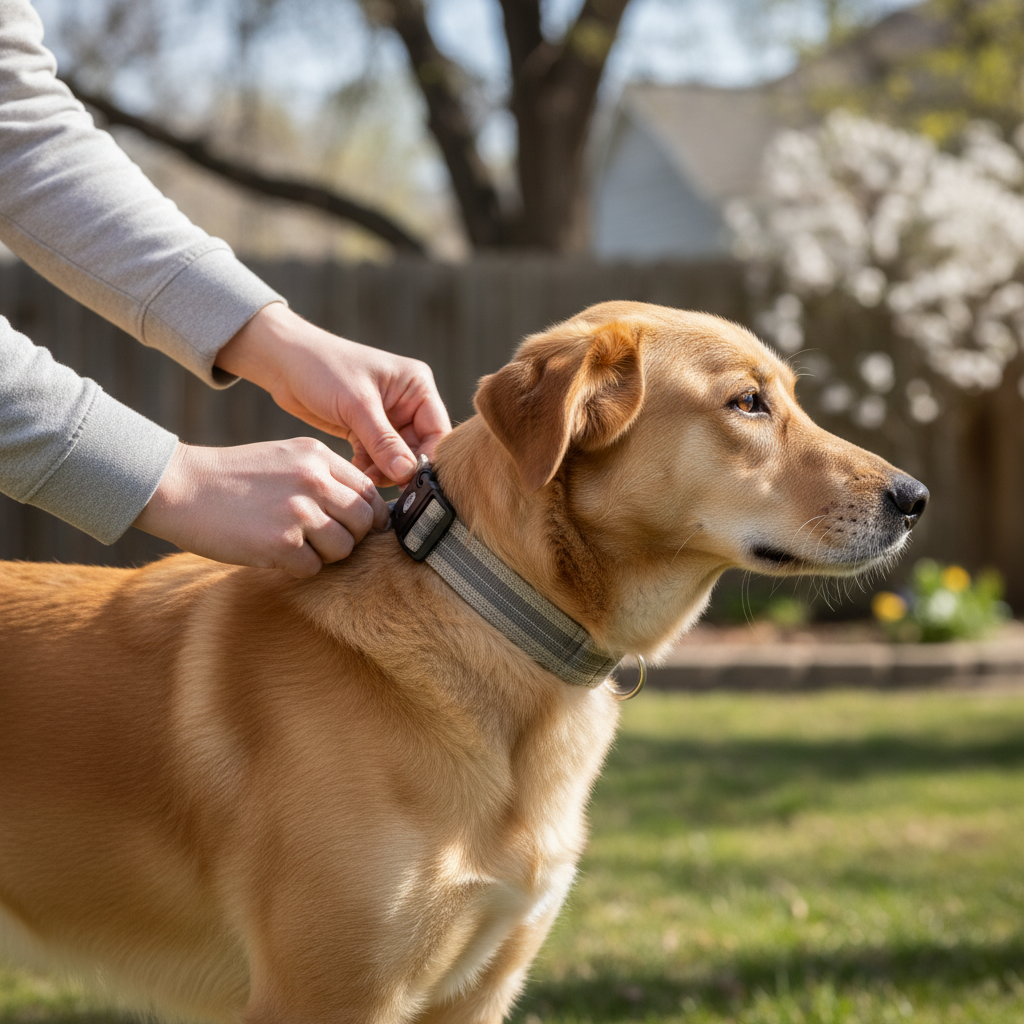
- Collar sits high on the neck, snug but not choking, you can usually fit one to two fingers under the strap.
- Receiver stays stable when your dog turns their head, no spinning to the side.
- Contact points touch skin, not just fur, especially on double-coated breeds.
- No redness, scabbing, or hair loss where contacts sit. If you see irritation, stop use and consult a veterinarian.
Behavior checklist
- Your dog notices the warning tone and can turn away without panicking.
- Avoidance is calm, the dog chooses to return to the safe zone.
- You do not see “shutdown” signs like freezing, tail tucked, refusing to go outside, or bolting through the yard.
If you fail the fit checklist, fix fit first. If you fail the behavior checklist, pause training and reassess your approach, sometimes the tool is fine but the plan is too fast.
How to adjust an adjustable dog fence training collar (without overcorrecting)
“Adjustable” usually means strap length, correction intensity, and sometimes warning tone/vibration settings. The best approach is boring and gradual, but it tends to hold up.
1) Set the collar for consistent contact
- Start with correct strap length, then confirm the receiver stays centered.
- If your dog has a thick coat, part the fur and confirm skin contact. If your unit includes alternate contact points, choose based on coat length.
- Rotate wearing position slightly day to day to reduce pressure on the same spot, and limit wear time to what your manufacturer recommends.
2) Find the minimum effective level
Many dogs respond to a very low level once they understand the game. The goal is a clear cue, not a punishment.
- Begin at the lowest setting and watch for a small acknowledgment: ear flick, head turn, brief pause.
- If there’s no sign, increase one step and retest after a break, not in a rapid loop.
- If your dog yelps, spins, or shows fear, you likely went too high or moved too fast.
3) Make the warning the “main cue”
Ideally, the warning tone becomes the message and stimulation becomes rare. That’s usually where owners see the best long-term results.
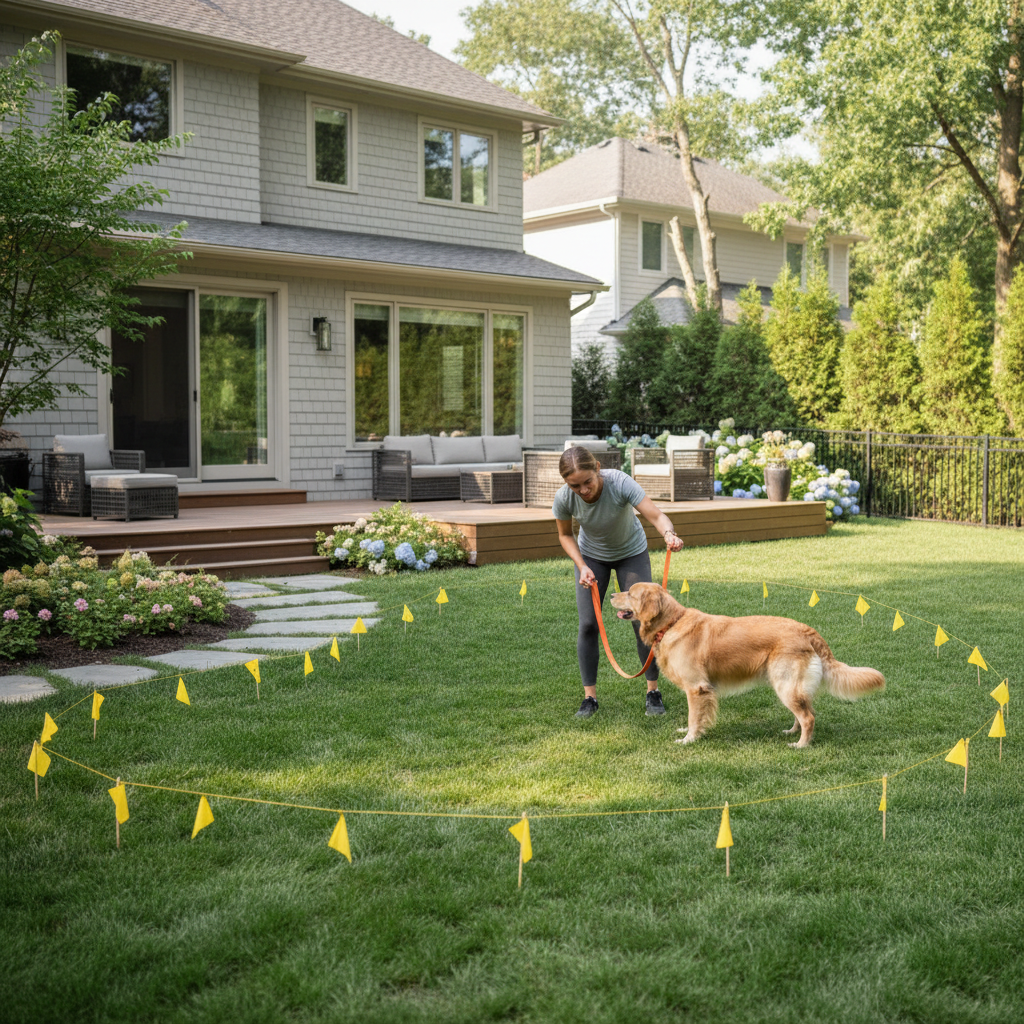
- Walk toward the boundary on leash.
- When the tone occurs, calmly say your cue like “back,” turn around, and reward in the safe zone.
- Repeat short sessions, keep it calm, stop before your dog gets frustrated.
Step-by-step training plan most dogs handle well
This is the part many people want to skip, but it’s also what makes a dog fence training collar feel predictable to your dog.
- Days 1–3: Flags and tone only, leash walks to the boundary, turn away on tone, reward generously in the safe zone.
- Days 4–7: Controlled distraction, add mild temptations like a toy toss away from the boundary, keep leash on.
- Week 2: Short off-leash tests only if your dog reliably turns on tone, start with you nearby and minimal distractions.
- Maintenance: Practice refreshers after big changes like new landscaping, snow, guests, or a moved boundary.
According to the American Kennel Club (AKC), positive reinforcement plays a central role in training because it helps dogs learn what to do, not only what to avoid. Pairing the boundary cue with rewards usually creates fewer training surprises.
Comparison table: common adjustment choices and what they affect
If you like quick diagnostics, this table helps you connect a symptom to a likely adjustment.
| What you notice | Likely cause | What to try |
|---|---|---|
| Dog ignores tone and walks through | Collar too loose, low level, or no boundary understanding | Fix fit, redo tone training on leash, raise one level only after fit is confirmed |
| Dog startles, yelps, or refuses yard | Level too high, rushed training, fear association | Pause, lower level, return to tone + rewards, consider trainer support |
| Random corrections away from boundary | Receiver shifting, inconsistent contact, interference or boundary setup issue | Center receiver, check contact points, confirm boundary signal and layout |
| Skin redness under contacts | Pressure, wear time too long, sensitivity | Stop use, consult a veterinarian, rotate position, confirm proper snugness |
| Works until dog is excited (squirrels, visitors) | Distraction level exceeds training stage | Train with staged distractions, reinforce recall, consider physical fence backup |
Mistakes that make dogs fear the yard (and how to avoid them)
Some mistakes don’t look dramatic in the moment, but they create long-term fallout.
- Using the highest level “to make it stick”: you might get avoidance, but you can also get fear, shutdown, or aggression in sensitive dogs.
- Letting the dog hit the boundary while running: collisions create panic learning, train slowly on leash first.
- Skipping rewards: if the safe zone never feels good, your dog has no reason to choose it.
- Leaving the collar on all day: beyond comfort, prolonged contact can increase irritation risk.
- Assuming every dog is a candidate: anxious dogs, very young puppies, and dogs with certain health issues may need another plan.
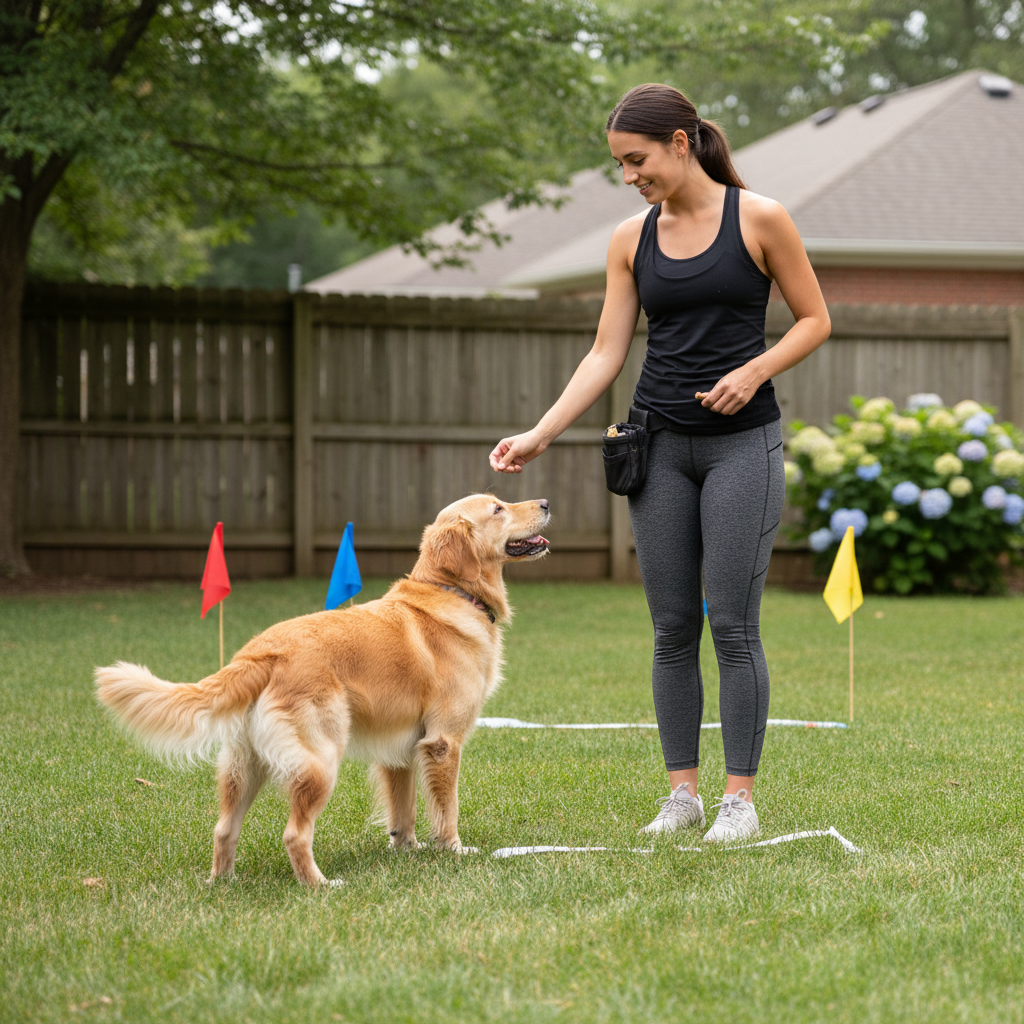
If your dog starts avoiding the yard entirely, that’s not “stubborn,” it’s data. Reduce pressure, rebuild confidence with simple yard games away from the boundary, and consider a different containment method if fear persists.
When to get a trainer or switch containment methods
Sometimes the most responsible move is bringing in help or pivoting. You don’t need to “win” against your dog.
- Repeated fear signs (trembling, hiding, refusing to go out): a certified trainer can evaluate whether the plan is causing an anxiety response.
- Aggression or reactivity increases: consult a qualified behavior professional, and involve your veterinarian if needed.
- High escape motivation (prey drive, roaming): a physical fence, leash system, or supervised yard time may be safer.
- Health or skin concerns: talk with a veterinarian, especially if irritation keeps returning.
When looking for help, you can start with directories from reputable credentialing bodies. According to the Certification Council for Professional Dog Trainers (CCPDT), certified trainers follow tested standards and continuing education, which can be useful when the situation feels messy.
Conclusion: keep it adjustable, but keep it predictable
A dog fence training collar works best when your dog experiences the boundary as clear, consistent, and easy to avoid. If you do only two things this week, make the fit stable and rebuild the warning-tone routine with rewards, it’s usually where progress starts showing without escalating correction.
If you want a simple action plan, pick one training time each day for 10 minutes, keep distractions low, and log what level and fit you used so you’re not guessing later. Consistency beats intensity almost every time.
FAQ
How tight should an adjustable fence collar be?
Snug enough that the receiver does not rotate and the contact points stay on skin, but not so tight that it presses hard or leaves deep marks. If you notice redness or discomfort, stop and reassess fit, and consider veterinary guidance.
What correction level should I start with on a dog fence training collar?
Start at the lowest level and look for a mild acknowledgment, not a dramatic reaction. If there’s no response, move up gradually across sessions, and only after you confirm collar contact is consistent.
My dog only responds sometimes, what causes inconsistent results?
Inconsistent contact from a loose collar or thick fur is common, and distraction level matters a lot. Confirm fit, check contact points, then retrain with staged distractions so your dog learns the pattern under excitement.
Can a fence collar make my dog anxious?
It can, especially if levels are high, training is rushed, or the dog is sensitive. If you see fear signs, pause use and consider working with a qualified trainer to avoid reinforcing anxiety.
Should I use vibration or tone with the fence collar?
Many setups work best when the warning signal becomes the main cue, with stimulation as a backup. Whether that warning is tone or vibration depends on your dog and the device, but the key is teaching “warning means turn back and earn a reward.”
How long does invisible fence training usually take?
Many dogs learn the basics within one to two weeks, but reliability around distractions can take longer. If you rush the early steps, you often spend more time fixing confusion later.
Is an adjustable dog fence collar safe for puppies?
Age recommendations vary by manufacturer, and puppies can be more sensitive. It’s smart to discuss your plan with your veterinarian and consider starting with non-aversive boundary training first.
What if my dog still escapes even after training?
Some dogs have strong drive to chase or roam, and they may push through. At that point, a physical fence or supervised containment can be a safer, lower-stress option.
If you’re trying to make an adjustable system work but keep running into fit issues, unclear boundary behavior, or level guesswork, it may help to get a trainer to observe one session and fine-tune the setup, it’s often faster than trial-and-error and can reduce stress for both you and your dog.