
Pet safe cleaning products matter most when you remember pets live closer to the floor, lick paws, and nap on the same surfaces you just wiped down.
If you have a dog that steals dish sponges or a cat that walks across wet tile like it’s a runway, “clean” can turn into “maybe not safe.” The goal is simple: reduce exposure to harsh ingredients without letting grime, odors, or bacteria win.
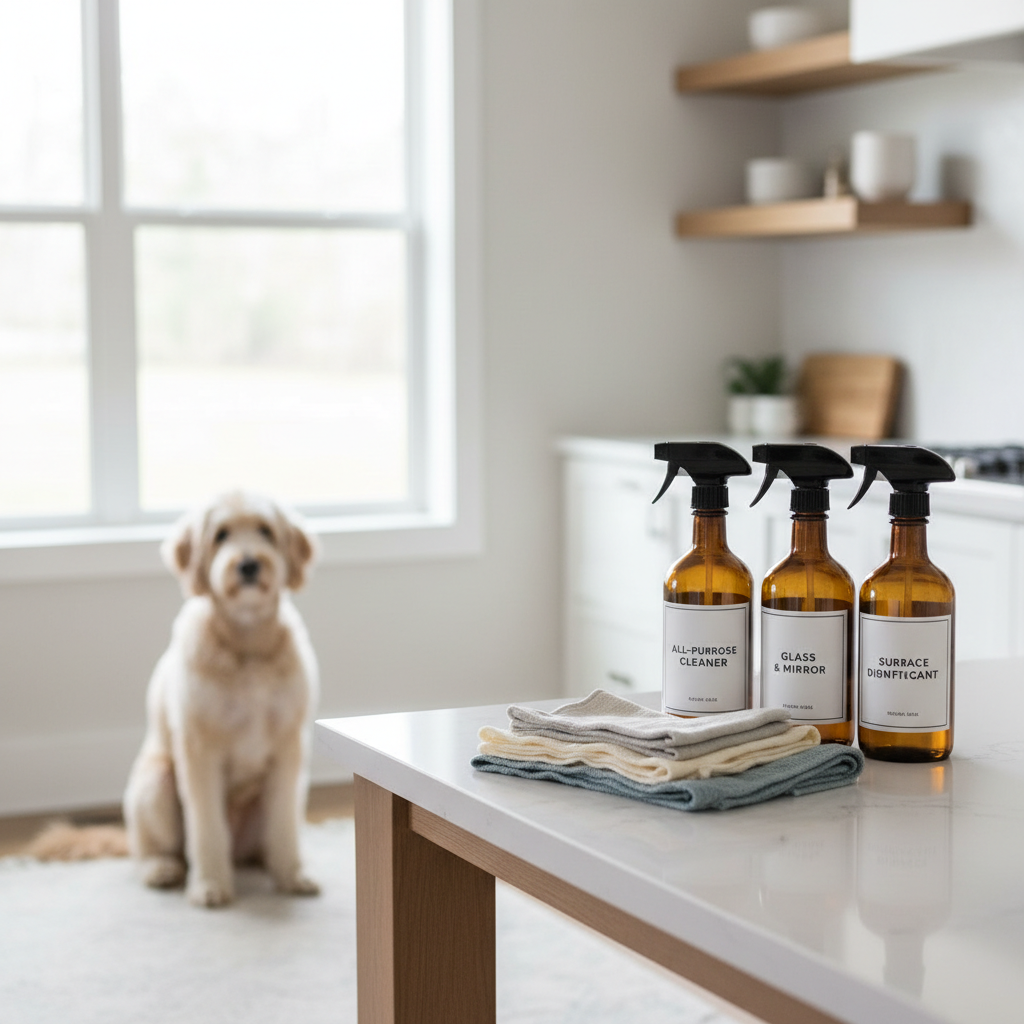
This guide focuses on practical choices: what to avoid, what tends to be safer, how to clean room-by-room, and how to spot “greenwashed” labels. You’ll also get a quick checklist and a simple routine you can actually keep up with.
What “pet safe” really means (and what it doesn’t)
In the U.S., “pet safe” often functions more like a marketing claim than a regulated standard. So the smarter move is to treat it as a starting point, then verify ingredients and usage instructions.
Pet safe usually means: when used as directed, the product aims to reduce risks like skin irritation, respiratory irritation, or toxic ingestion compared with harsher alternatives.
Pet safe does not mean: safe to drink, safe to use undiluted, safe if you mix it with other cleaners, or safe if a pet is on the surface before it dries.
According to the ASPCA Animal Poison Control Center, many pet poisonings come from common household items, including certain cleaners and disinfectants, especially when pets can lick residue or inhale fumes in poorly ventilated spaces.
Ingredients and product types that commonly cause problems
You don’t need to memorize a chemistry textbook, but it helps to recognize a few repeat offenders that show up in poisoning calls and irritation complaints.
- Bleach (sodium hypochlorite): strong fumes, can irritate airways, dangerous when mixed with acids or ammonia.
- Ammonia: eye and respiratory irritation, and mixing with bleach creates toxic chloramine gas.
- Phenols: sometimes found in heavy-duty disinfectants; cats can be especially sensitive.
- Quaternary ammonium compounds (Quats): common in disinfecting wipes and sprays; may irritate paws/skin and airways, and residue can be an issue for lickers.
- Essential oils (highly concentrated): “natural” doesn’t automatically equal gentle; some oils can be risky for pets, particularly cats, depending on type and exposure route.
- Fragrances and solvents: can trigger coughing, sneezing, watery eyes, or nausea in sensitive animals.
None of this means you can never disinfect. It means you choose the least intense option that solves the problem, and you control exposure with dilution, ventilation, and dry time.
A quick self-check: what kind of household are you cleaning for?
Pet safety is less about one “perfect” product and more about your home’s real behavior patterns. This short checklist helps you choose the right level of caution.
- Paw-lickers or chewers: dog licks paws after walks, puppy mouths baseboards, cat chews plastic.
- Respiratory sensitivity: brachycephalic dogs, cats with asthma, anyone who coughs around scents.
- High-contact surfaces: pets on sofas/beds, cats on counters, dogs on rugs.
- Accident-prone areas: litter box zone, puppy pads, senior pet slip-ups.
- DIY mixing habits: you “boost” cleaners by combining products (this is a big red flag).
If you checked two or more, lean toward low-residue cleaners, minimal fragrance, and clear “rinse/wipe” instructions. Those tend to be the most forgiving choices.
Choosing pet safe cleaning products: label-reading that actually helps
Here’s what experienced pet owners often do instead of trusting front-label claims.
Look for transparency, not vibes
- Full ingredient disclosure (or a clear hotline/SDS access) beats vague “plant-based” language.
- Clear directions like dilution ratios, contact time, and whether rinsing is required.
- Fragrance-free or lightly scented options if your pet reacts to odors.
Use the right tool for the job
Disinfectants are not everyday all-purpose sprays. Many homes do better with a gentle daily cleaner, then a targeted disinfectant for true high-risk messes.
According to the U.S. Environmental Protection Agency (EPA), disinfectants work as intended only when used per label directions, including the stated contact time. In real life, that often means you need to keep the surface wet longer than you think.
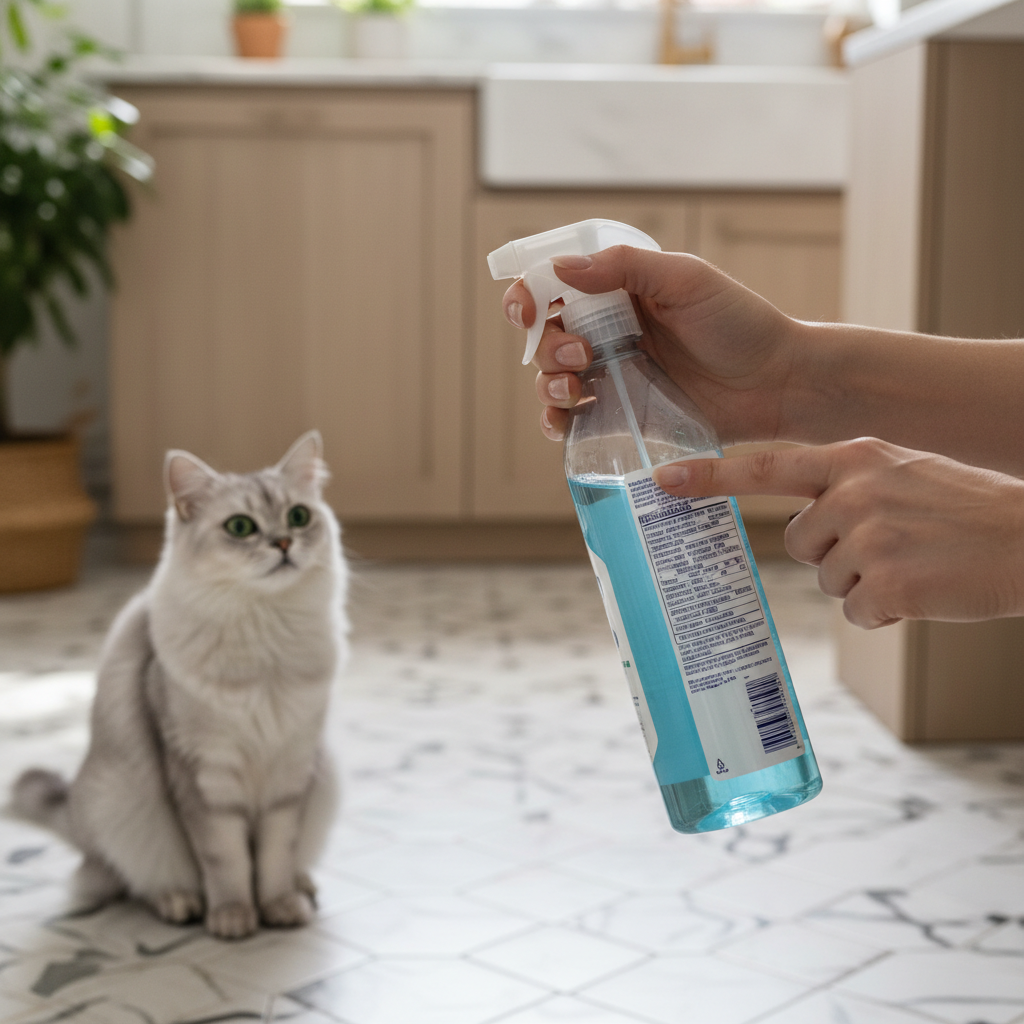
Room-by-room cleaning plan (safer defaults, realistic steps)
Most people get stuck because they try to overhaul everything at once. Better approach: fix the highest exposure zones first, then build a routine you can repeat.
Floors
- Daily/regular clean: a diluted, low-fragrance floor cleaner or mild soap solution, then allow full dry time before pets roam.
- After muddy walks: wipe paws first, then spot-clean; less product on the floor usually means less residue risk.
- When you truly need disinfection: pick a product with clear rinse instructions, and actually rinse if the label says so.
Kitchens and counters
- Food-contact areas: prioritize products that specify food-surface safety and rinsing steps.
- Pet bowls and mats: hot water and dish soap often do most of the work; if you disinfect, rinse thoroughly.
Bathrooms
- Toilet and grout: this is where harsh chemicals sneak back in; use ventilation, keep pets out, and store products locked away.
- Bath mats: wash hot when possible, dry completely to reduce odor and mildew.
Soft surfaces: rugs, couches, pet beds
- Odors: start with vacuuming and washable covers; deodorizing sprays can add fragrance exposure without solving the source.
- Accidents: enzyme cleaners are commonly used because they break down urine proteins; follow dwell time and blotting instructions.
Comparison table: common cleaning needs and safer-leaning options
This isn’t a brand list, it’s a decision shortcut. Always check the specific label and ingredient disclosure.
| Cleaning task | What often works | Why it’s pet-friendlier in practice | Watch-outs |
|---|---|---|---|
| Everyday floor cleaning | Diluted mild cleaner, low fragrance | Lower residue and fewer fumes | Don’t overuse concentrate; let floors dry |
| Urine/accident cleanup | Enzyme-based cleaner | Targets odor source so you use less product | Needs dwell time; test fabrics first |
| Grease on counters | Degreasing dish soap + warm water | Effective without harsh solvents | Rinse food surfaces; keep pets off counters |
| Disinfecting high-touch spots | EPA-registered disinfectant used per label | Clear instructions and verified use pattern | Contact time, ventilation, rinse rules matter |
| Glass and mirrors | Low-odor glass cleaner or diluted vinegar solution | Typically minimal residue when buffed dry | Keep pets away until dry; don’t mix products |
Practical habits that make products safer (even before you switch brands)
Many households get a big safety improvement without buying anything new, just by tightening the process.
- Ventilate: open windows, run fans, avoid fogging a small bathroom with spray.
- Use less product: if the label says dilute, dilute; more concentrate rarely cleans “better,” it often just leaves residue.
- Respect dry time: keep pets out until surfaces are fully dry, especially floors and upholstery.
- Rinse when appropriate: if a label calls for rinsing, assume it matters for paw-lickers and counter-jumpers.
- Store like it’s medicine: closed cabinet, ideally latched; many incidents happen during “just one minute” moments.
- Never mix cleaners: even well-intended combinations can create irritating or toxic gases.
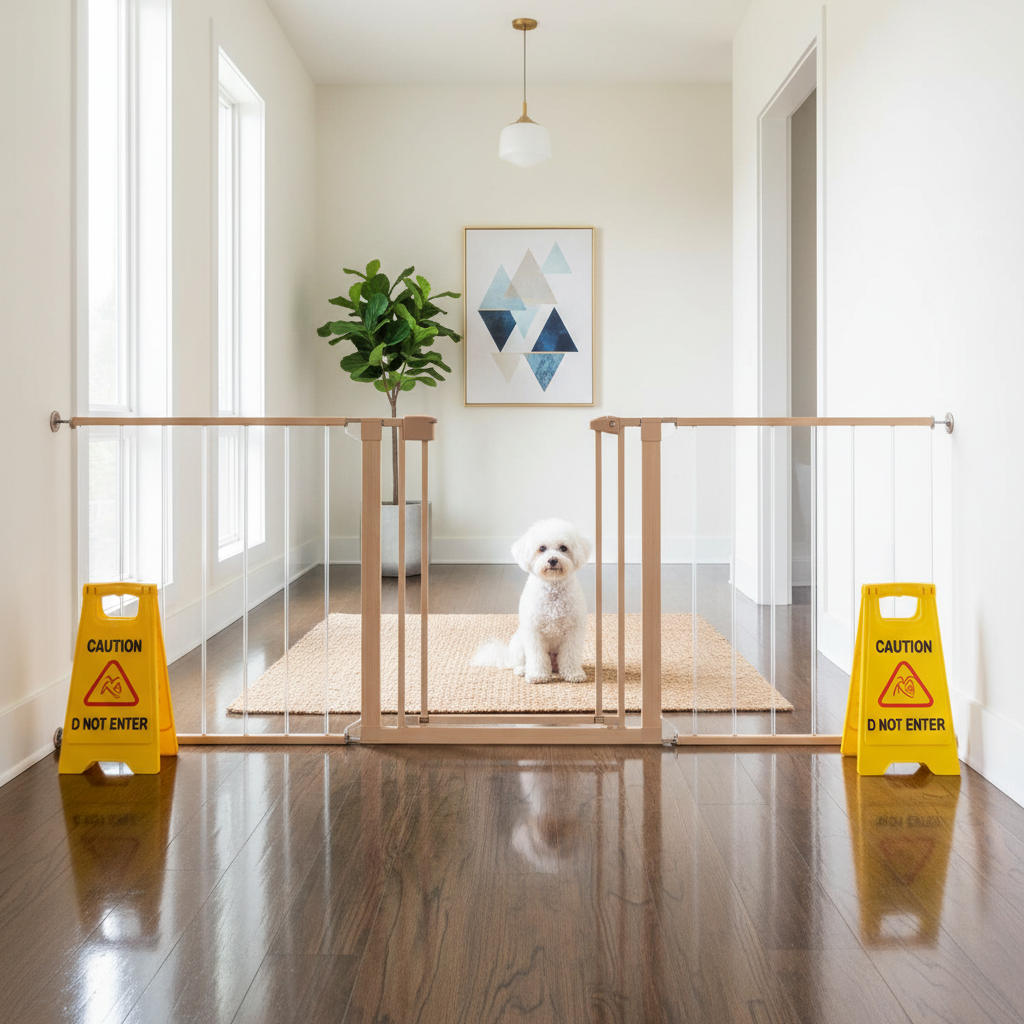
Key takeaway: pet safe cleaning products work best when you also control exposure, because safety is a combo of ingredients, concentration, and behavior.
Common mistakes (the ones that keep showing up)
- Assuming “natural” equals harmless: concentrated botanicals and essential oils can still irritate or be toxic depending on species and dose.
- Using disinfectants for routine dirt: it increases chemical load without clear benefit in many homes.
- Wiping and letting pets back immediately: wet surfaces = higher transfer to paws and fur.
- Over-fragrancing to “solve” odor: you may cover the smell while leaving the source behind.
- Skipping the label: contact time, dilution, and rinse steps are not optional details.
When to call a vet or a poison control professional
If you suspect ingestion, eye exposure, or strong fume inhalation, it’s safer to contact a professional quickly rather than “wait and see.” Mild sneezing can happen with scents, but symptoms like repeated vomiting, drooling, lethargy, tremors, trouble breathing, or pawing at the mouth deserve urgent attention.
According to the ASPCA Animal Poison Control Center, having the product label and approximate amount exposed can help them triage the situation. If you’re unsure, contacting your veterinarian or a poison control service is usually the right call.
Conclusion: a cleaner home without making pets the trade-off
Picking pet safe cleaning products is less about chasing a perfect label and more about reducing residue, fumes, and accidental access. Start with your highest-contact zones, simplify your routine, and treat disinfectants as a targeted tool rather than a daily habit.
If you want one simple action today, swap one high-fragrance, high-residue product for a gentler daily cleaner, then add a “dry time + rinse when needed” rule. That combo tends to move the needle fast without turning cleaning into a full-time project.
FAQ
What are the safest cleaning products to use around pets?
It depends on the task, but many households do well with mild, low-fragrance daily cleaners plus a targeted disinfectant only when needed. Look for clear ingredient disclosure and follow the label closely, especially dilution and rinse guidance.
Are vinegar and baking soda safe for pets?
In many situations, diluted vinegar for wiping and baking soda for deodorizing are used without issues, but “safe” still depends on concentration and exposure. Keep pets away while surfaces are wet, and don’t mix vinegar with bleach products.
Do I need to disinfect my floors if I have a dog?
Many homes don’t need routine floor disinfection every day, especially if you’re mainly dealing with dirt. If there’s illness in the home, accidents, or higher-risk contamination, use an appropriate disinfectant and follow contact time and rinse instructions.
Are essential oil cleaners okay for cats?
Many cats are more sensitive to certain essential oils, and concentrated oils can be risky. If you have cats, it’s often simpler to choose fragrance-free options and avoid adding essential oils to DIY mixes, and ask your veterinarian if you’re unsure.
How long should pets stay off floors after cleaning?
A practical rule is: until the surface is fully dry and any required rinsing is done. Dry time varies by product, ventilation, humidity, and how much you used, so don’t rush it.
What should I do if my pet licks a cleaning product residue?
Remove access, rinse the mouth with water if your vet recommends it, and check the product label for first-aid steps. If there are symptoms or you’re uncertain about the product, contact your veterinarian or a poison control professional promptly.
How can I tell if a “pet safe” label is just marketing?
If there’s no ingredient transparency, no clear directions, or the claims feel broad without specifics, be cautious. Products that provide SDS access, detailed instructions, and clear warnings tend to be more trustworthy than vague “non-toxic” language.
If you’re trying to switch to pet safe cleaning products without trial-and-error, start by listing your top three messes, then choose one daily cleaner and one targeted accident solution that match those scenarios, it’s the easiest way to keep your home clean without overcomplicating it.