
cat bed mat washable anti scratch products sound simple, until you’ve dealt with shredded fabric, lingering odors, and a “washable” label that barely survives two cycles. If you want something that stays comfortable for your cat and doesn’t turn into a fuzzy mess, it helps to know what actually makes a mat hold up.
This topic matters because your cat’s bed mat sits at the center of three real-life problems: claws, hair, and accidents. When one of those goes wrong, you’re either replacing the mat too often, or you’re keeping something around that’s not as clean as it should be.
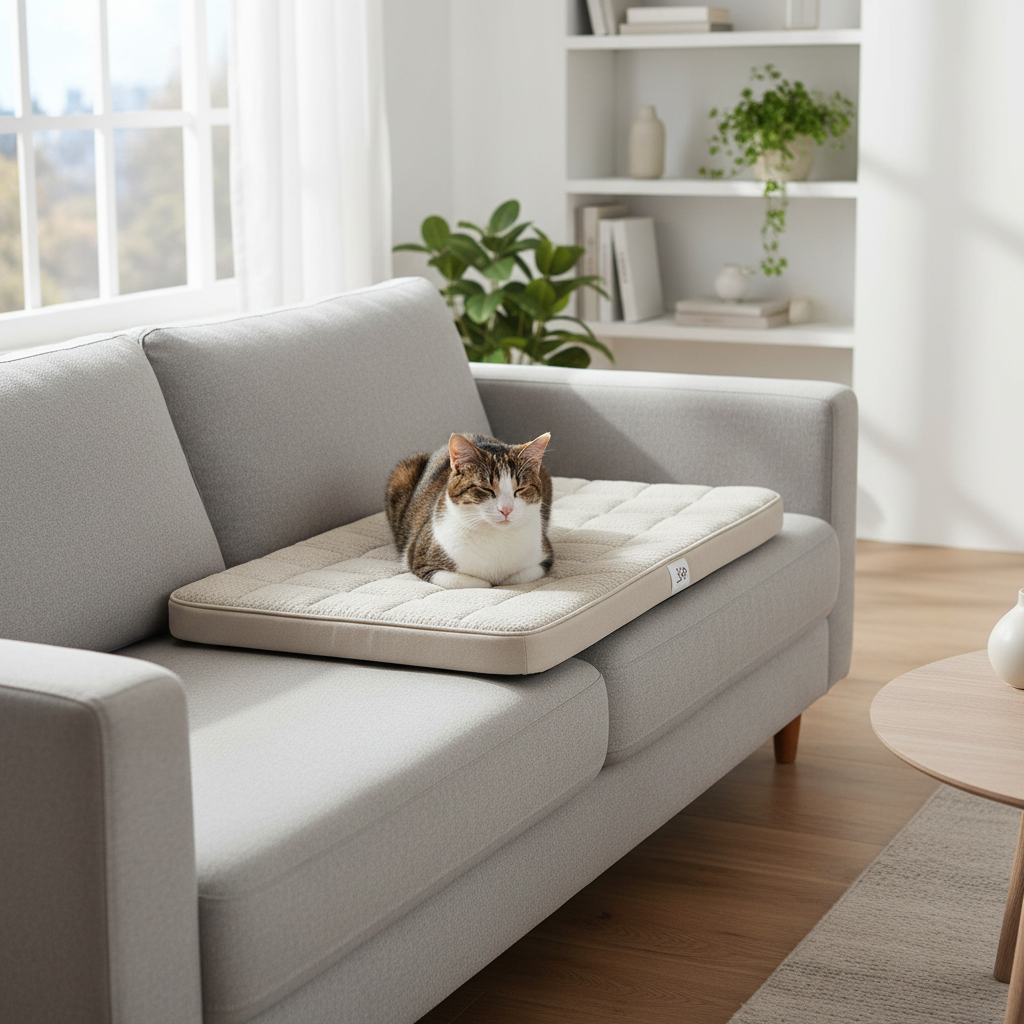
One quick misconception before we get practical: “anti-scratch” rarely means claw-proof. In most cases it means the surface resists snagging, pilling, and tearing better than plush fleece, and it’s built so you can keep cleaning it without it falling apart. That’s the standard you want.
What “washable” and “anti-scratch” really mean in real homes
Labels get used loosely, so it’s worth translating them into what you can expect at home.
- Washable usually means machine-washable, but may require gentle cycles, cold water, and low heat drying to avoid warping or delamination.
- Anti-scratch typically means tighter weaves, tougher yarns, and fewer loops for claws to catch, not a guarantee against deliberate scratching.
- Anti-slip backing helps the mat stay put, but some rubberized backings break down faster if dried on high heat.
According to ASPCA, scratching is a normal feline behavior and also helps with claw maintenance, so the goal is durability plus appropriate outlets, not trying to “stop scratching” entirely.
Why cat mats get destroyed (it’s not always “bad behavior”)
If a bed mat keeps getting wrecked, the cause is often predictable, and it changes what you should buy next.
- Texture invites snagging: looped knits, shag, or long plush give claws something to hook.
- Hidden scratching triggers: some cats knead and pull threads when they’re self-soothing, especially at bedtime.
- Placement problems: mats placed near high-traffic edges of couches or doorways take more pawing and friction.
- Heat and humidity: dampness, drool, or a slightly wet coat can make odors stick and can stress adhesives in layered mats.
- Washing routine: harsh cycles, hot water, and high heat drying can weaken stitching so small pulls become big tears.
Many households also mix up “scratching the mat” with “digging before lying down.” If your cat circles and paws for 5–10 seconds then settles, the mat still needs durability, but you may not need something extremely rigid.
Quick self-check: what kind of mat do you actually need?
Before shopping, check a few things for one week. This saves you from buying the wrong “tough” mat that your cat refuses to use.
- Claw intensity: Do you see long pulls/threads, or just surface fuzz? Long pulls suggest you need a tighter weave.
- Accident risk: Hairballs, senior cat leaks, post-surgery mess, or kitten training issues may require waterproof layers or fast-drying fabrics.
- Heat preference: Cats that seek warmth often like lightly padded mats; cats that overheat may prefer thinner, breathable options.
- Where it lives: Sofa, windowsill, crate, car, or floor. Slippage and size matter more than people expect.
- Wash frequency: If you wash weekly, choose materials and stitching that tolerate repetition.
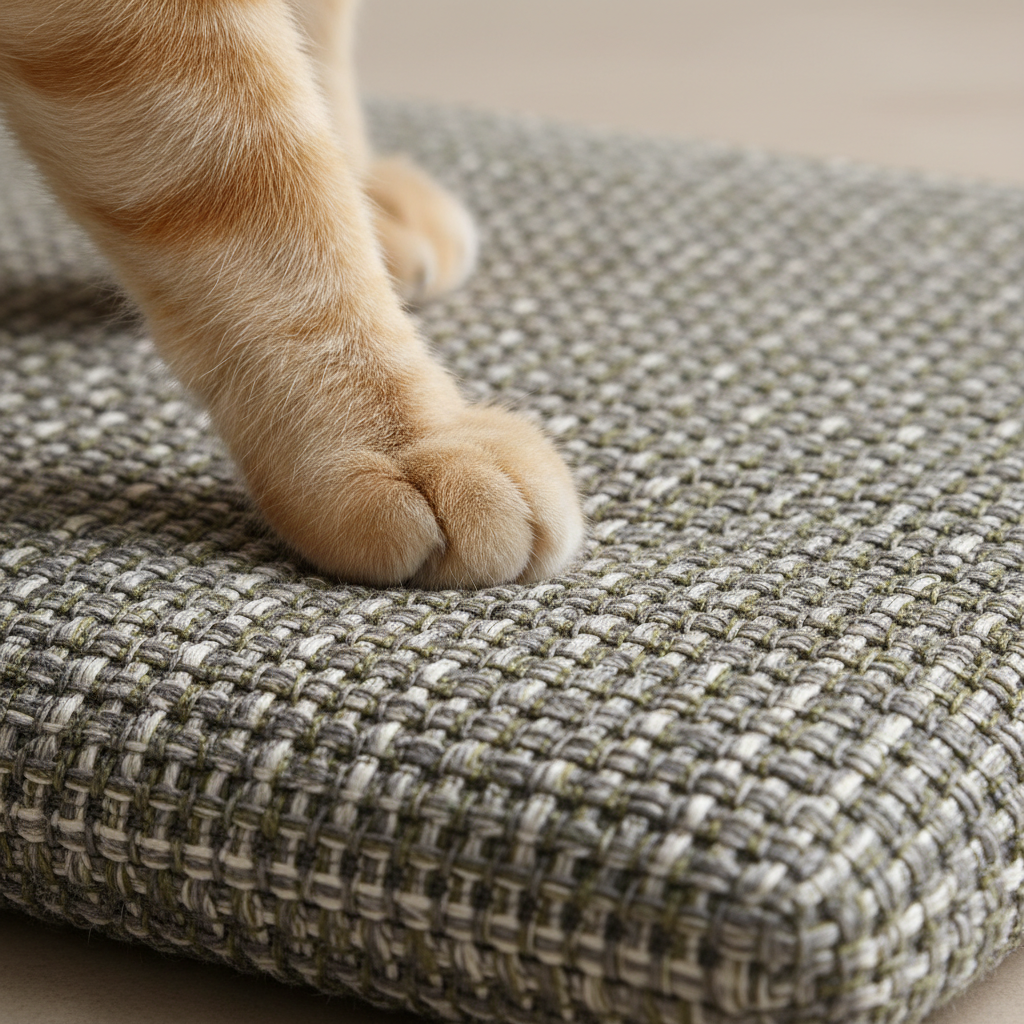
If your notes point to “heavy clawing + frequent washing,” prioritize a robust outer fabric first, and treat thick padding as optional. Thick fill feels cozy but often makes laundering slower and smell retention more likely.
Materials and construction that hold up: a practical comparison table
In the cat bed mat washable anti scratch category, durability usually comes from fabric choice plus how seams and layers are built.
| Feature | Good sign | Why it matters | Watch-outs |
|---|---|---|---|
| Outer fabric | Tight weave (canvas, oxford, microfiber, upholstery-style) | Less snagging, less pilling | Some tight weaves feel “cooler” and need a softer top layer |
| Stitching | Reinforced edging, double stitching | Stops small tears from spreading | Cheap binding can curl after hot drying |
| Quilting | Box quilting or channel stitching | Keeps fill from clumping after washes | Too-wide quilting can still shift over time |
| Backing | Non-slip dots or textured backing | Helps on hardwood/tile | High heat can degrade rubberized coatings |
| Water resistance | Removable waterproof liner or inner layer | Helps with accidents and odor control | Some waterproof films trap heat, not every cat likes it |
If you’re choosing between “super soft” and “tough,” a balanced option often wins: a durable base with a comfortable top panel your cat actually accepts.
How to wash a cat bed mat without wrecking the anti-scratch finish
Washing is where many “washable” mats quietly fail, mostly from heat and friction. This approach is usually safe for most products, but always follow the care tag if it differs.
Step-by-step washing routine
- Shake and vacuum first to remove hair and grit, grit acts like sandpaper in the washer.
- Use cold or warm water and a gentle cycle when possible.
- Mild detergent tends to preserve coatings and stitching better than heavy-duty options.
- Skip fabric softener if the mat has absorbent or water-resistant layers, softeners can reduce wicking and leave residue.
- Air dry or low heat, especially if there’s non-slip backing or any laminated waterproof layer.
For odor, it’s tempting to “nuke it” with hot water, but repeated heat often shortens lifespan. If smell keeps returning, you may be dealing with trapped oils or urine that needs a different treatment.
If urine or strong odor is involved
According to the AVMA, inappropriate urination can have medical or behavioral causes, so if this is new or frequent, it’s reasonable to consult a veterinarian rather than treating it as only a cleaning issue. For cleaning, enzyme-based pet cleaners often help break down odor sources; test on a small area first to avoid discoloration.
Real-world setup tips: preventing damage before it starts
The best “anti-scratch” upgrade is often how you set it up, not just what you buy.
- Add a dedicated scratch option nearby: place a scratch pad or post within a few feet of the mat, so the cat has an easy “yes” choice.
- Anchor the mat: if it slides, cats tend to dig more to stabilize it, which increases snagging.
- Trim claws regularly: not to stop scratching, but to reduce sharp tips that catch threads; if you’re unsure, a groomer can show safe technique.
- Rotate locations: sunlight spots and humid corners can make mats funkier faster.
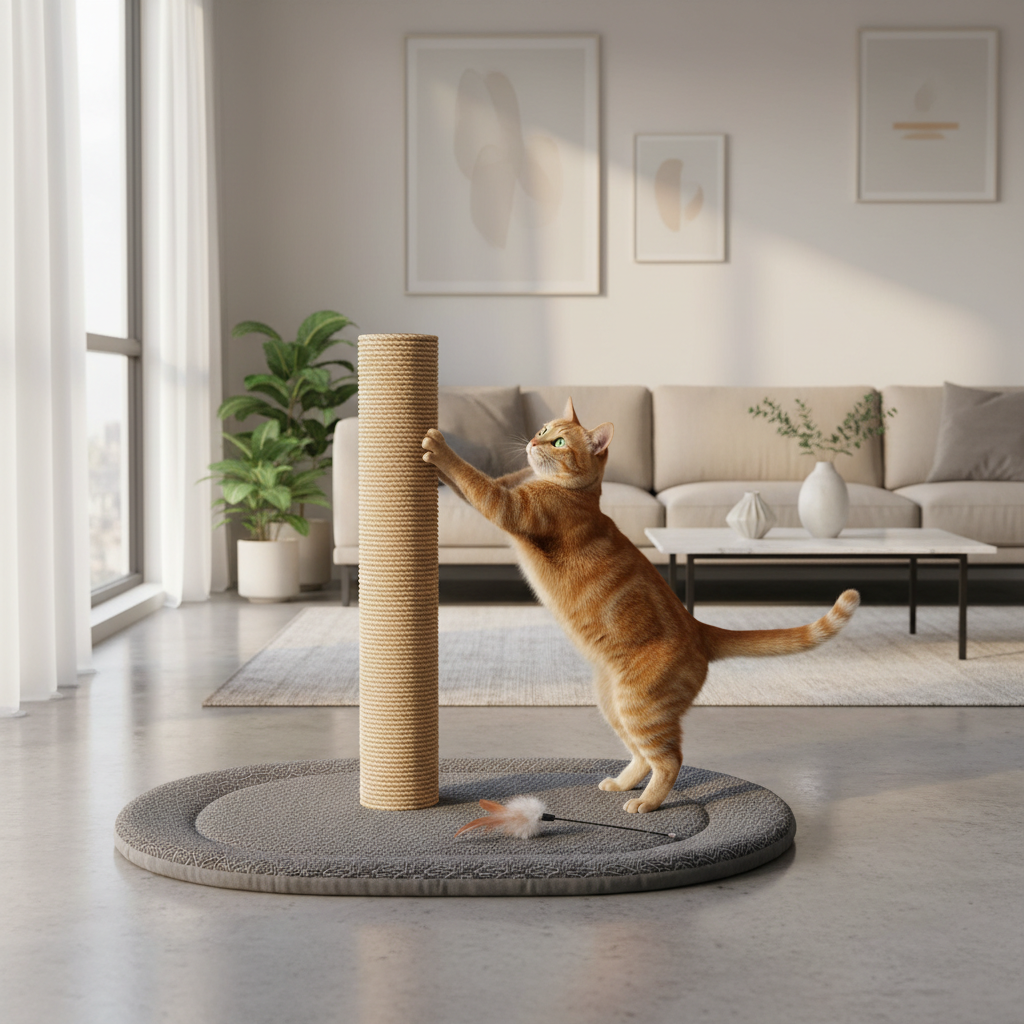
One small but effective trick: if your cat “digs” before lying down, try a slightly heavier mat or one with a grippy backing. When the mat feels stable, that pre-nap digging often gets shorter.
Common mistakes that waste money (and what to do instead)
- Buying the fluffiest option for a clawer: plush looks cozy, but it’s usually the first to pill and snag. Choose a tighter surface, then add a small removable blanket if your cat wants softness.
- Assuming thicker equals more durable: thick fill can bunch up and seam-stress after repeated washing. Durability usually comes from fabric and stitching.
- Over-washing without pre-cleaning hair: too much loose hair can clog machines and also leaves residue on the mat. Vacuuming first is boring but pays off.
- Using high heat to “sanitize”: heat can damage backing and coatings. If you need sanitation due to illness, it’s safer to ask a vet what’s appropriate for your situation.
If the mat is mostly intact but smells “stuck,” you’re not alone. In many cases, a second rinse and thorough drying in moving air is more effective than stronger detergent.
Key takeaways and a simple buying checklist
If you’re narrowing choices, focus on what survives your routine: claws plus laundry. A cat bed mat washable anti scratch option is worth it when it stays stable, cleans easily, and doesn’t turn into thread soup.
- Pick tight, snag-resistant fabric before chasing extra thickness.
- Check edges and stitching, that’s where wash wear shows first.
- Match washing needs to real life, weekly washers should avoid delicate constructions.
- Support normal scratching with a nearby scratcher, you’ll protect the mat and reduce stress.
If you want one action step today, do this: place the mat where your cat already chooses to rest, and add a scratch pad within arm’s reach. Comfort plus an outlet tends to keep the mat looking decent for longer.
FAQ
What fabric is most anti-scratch for a cat bed mat?
Tight weaves such as oxford cloth, canvas-like fabrics, microfiber, or upholstery-style materials usually resist snagging better than shag or loose knits. The exact “best” depends on how aggressively your cat claws and whether the mat must feel extra soft.
Can I machine wash an anti-scratch cat mat every week?
Many can handle weekly washing if you use gentle cycles and low heat, but some backings and waterproof layers degrade faster with high heat drying. If weekly washing is your plan, prioritize reinforced edging and simple, durable construction.
Why does my washable cat mat still smell after washing?
Odor often sticks because oils and residue stay trapped in padding, or because the mat didn’t dry fully. A second rinse, enzyme cleaner for pet messes, and faster drying airflow often help more than adding extra detergent.
Is “waterproof” necessary for a washable cat bed mat?
Not always. For healthy adult cats without accidents, breathable fabrics can be more comfortable. Waterproof layers become more useful for kittens, seniors, post-surgery recovery, or frequent hairballs, but they can trap heat for some cats.
My cat scratches the bed mat instead of the scratching post, what should I change?
Try moving the post right next to the mat and choosing a scratch texture your cat likes, cardboard, sisal, or a flat pad. Scratching is normal behavior, so the practical goal is redirecting, not eliminating it.
Are anti-slip backings safe for cats?
They’re generally fine, but some rubberized backings can crack with high heat or age, which can create loose bits. If you notice flaking, it’s safer to replace the mat, and if your cat chews materials, consider discussing safer options with a vet.
How do I stop pilling on a cat bed mat?
Pilling often comes from friction plus loose fibers. Washing inside a laundry bag, reducing spin intensity, and air drying can help. If pilling is already heavy, switching to a tighter weave is usually more effective than trying to “fix” the surface.
If you’re trying to pick a cat bed mat washable anti scratch style for a specific spot like a windowsill, crate, or leather couch, it can be easier to start with your constraints, size, backing, wash frequency, then shortlist materials that match, rather than buying based on softness alone.