
dog winter coat fleece warm thick is the search phrase people use when their dog starts shivering on walks, refuses to go outside, or comes back from a quick potty break with icy ears and a cold belly.
The tricky part is that “warm” means different things in different places, a dry Colorado 25°F is not the same as a wet New England 35°F, and a thick-looking coat can still fail if it fits poorly or gets soaked.
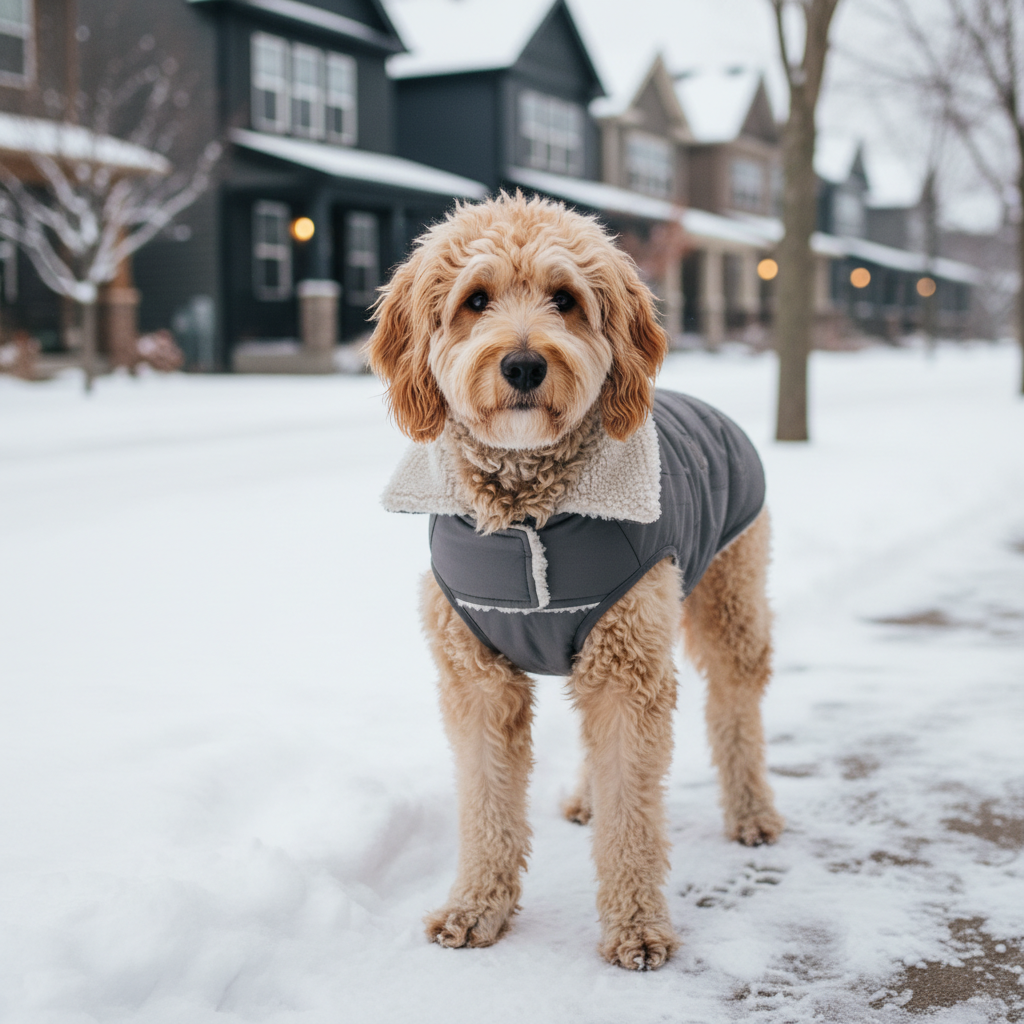
This guide helps you pick a fleece-lined winter coat that actually works, how to judge thickness versus insulation, what features matter for wind and sleet, and how to get the fit right without overbuying.
Why some dogs get cold faster than others
Not every dog needs the same level of winter gear, and that’s where a lot of purchases go sideways. A coat that’s perfect for a Husky mix may be overkill for a stocky Lab, while a lean, short-haired dog may need more coverage than you expect.
- Coat type and body fat: short hair, low body fat, and small size usually lose heat faster.
- Age and health: puppies and seniors often regulate temperature less efficiently, and some medical conditions can make cold tolerance lower. If you’re unsure, it’s reasonable to ask a veterinarian.
- Weather profile: wind and moisture matter as much as the number on the thermostat.
- Activity level: a dog sprinting at the park generates heat, a slow leash walk does not.
According to the American Veterinary Medical Association (AVMA)... pets can be at risk for cold-related problems in winter conditions, and owners should take extra precautions for vulnerable animals.
What “fleece, warm, thick” really means in a winter dog coat
When people shop for a dog winter coat fleece warm thick style, they’re usually trying to solve one of two problems: heat retention or weather blocking. A good product often does both, but you can tell which one a coat is designed for by looking at the layers.
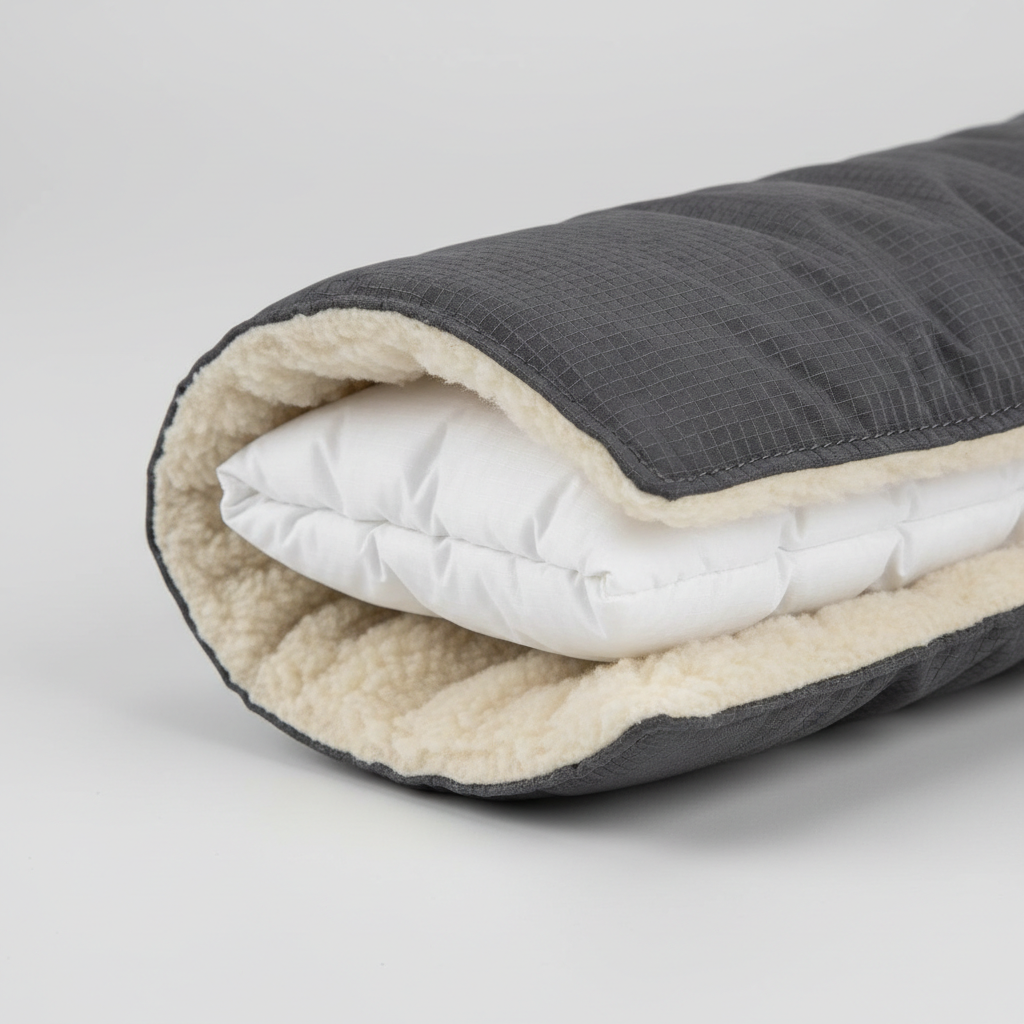
Common layer setups (and what they’re good for)
- Fleece lining + shell: cozy, flexible, usually best for dry cold and everyday walks.
- Fleece + insulated fill + shell: “thick” with real loft, better for low temps or dogs that chill easily.
- Fleece only: more like a sweater, comfortable indoors or mild fall days, but limited in wind.
Thickness can be misleading. A stiff, bulky coat may restrict shoulders and reduce movement, which can make some dogs walk oddly or refuse the coat entirely. Insulation that traps air without turning into a “board” is usually the sweet spot.
Quick self-check: does your dog need a thicker fleece coat?
If you’re debating whether to go thicker, use real behavior as your signal rather than guesswork.
- Shivering or lifting paws within the first 5–10 minutes outside
- Hunched posture, tucked tail, reluctance to walk away from home
- Cold ears, belly, or inner thighs when you get back
- Short-haired, senior, small breed, or recently groomed close
- Winter conditions you deal with are often windy, damp, or below freezing
If most of these ring true, a dog winter coat fleece warm thick build with a wind-resistant outer layer is typically a better bet than fleece alone. If none ring true and your dog stays active, you may be fine with a lighter option.
Choosing the right coat: features that actually matter
People get stuck comparing dozens of listings. I’d narrow it to a few features that show up in day-to-day use, especially if your winter includes slush, road spray, or gusty wind.
Fit and coverage
- Chest and belly coverage: the underside gets hit by cold air and snow splash.
- Neck design: a higher collar can reduce heat loss, but it should not press on the throat.
- Armholes: generous enough to avoid rubbing the armpits, especially on long walks.
Weather performance
- Wind-resistant shell: makes a surprising difference even when temperatures look “not that bad.”
- Water resistance: helpful in wet snow or drizzle. If your area is frequently rainy in winter, prioritize this.
- Reflective trim: darker afternoons and early mornings are real safety issues.
Practical details
- Harness access: a zipper opening or built-in D-ring helps if you walk on a harness.
- Easy closures: wide Velcro can work well, but check that it doesn’t snag fleece or collect debris.
- Washability: winter coats get grimy fast, machine-wash friendly is underrated.
Coat selection table: match your winter conditions
Use this as a sanity check. It won’t replace trying on, but it helps you avoid buying a “cute” coat that doesn’t match your weather.
| Winter situation | Recommended build | Helpful features | Watch-outs |
|---|---|---|---|
| Dry cold, short walks | Fleece lining + light shell | Good fit, flexible fabric | Bulky “thick” coats that restrict shoulders |
| Windy days, open areas | Fleece + wind-resistant shell | Higher collar, snug chest | Loose neck that lets wind pump in |
| Wet snow, slush, drizzle | Fleece + water-resistant shell | Belly coverage, quick-dry lining | Fleece-only layers that soak and stay cold |
| Below-freezing for sensitive dogs | Fleece + insulated fill + shell | Adjustable straps, reflective details | Overheating indoors, difficult on/off |
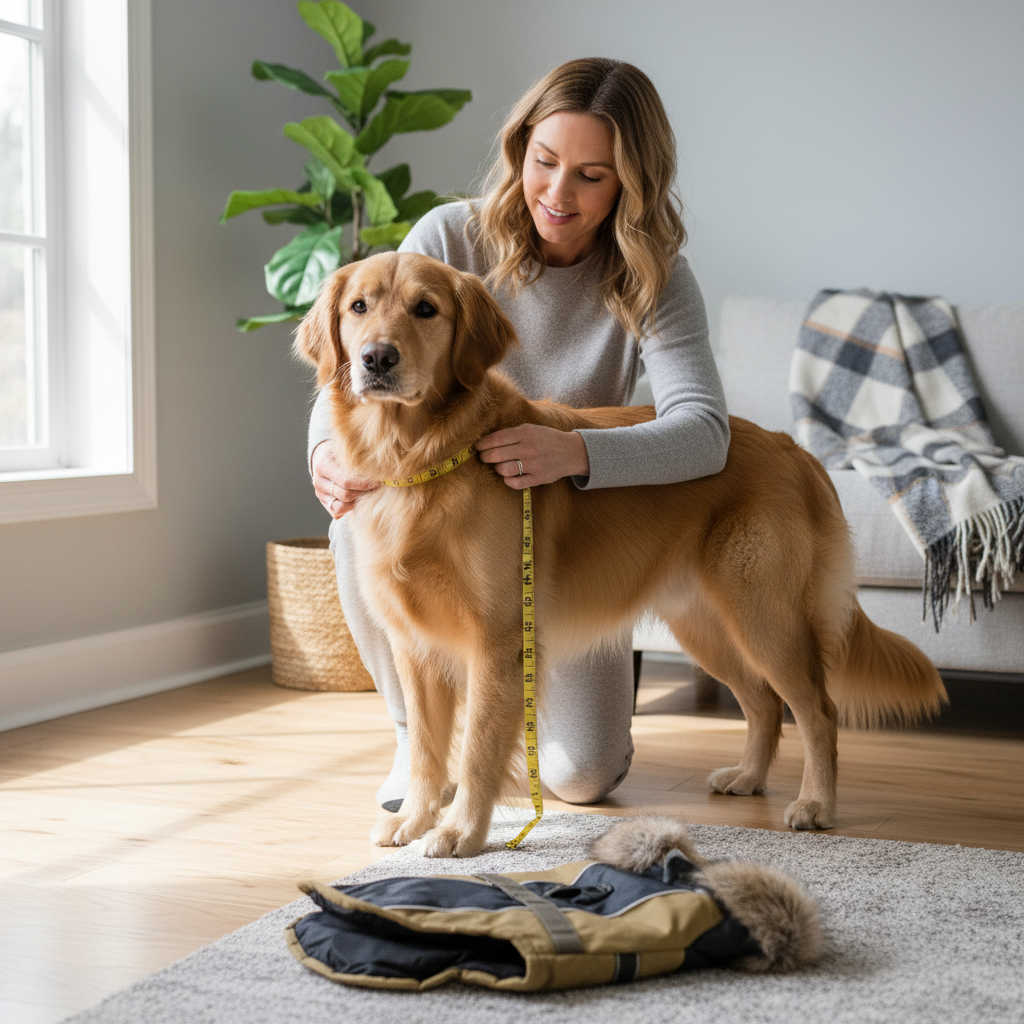
How to measure and fit a fleece-lined coat (without guesswork)
Fit is where comfort and warmth either happen or don’t. Even a thick coat fails when it leaves a big gap at the chest or slides sideways as your dog walks.
- Back length: measure from the base of the neck to the base of the tail, not to the tip.
- Chest girth: measure the widest part of the ribcage, usually right behind the front legs.
- Neck: measure where a collar sits, then avoid anything that tightens at the throat.
After you put it on, do a quick movement check: two fingers under straps, no rubbing in the armpits, and your dog should be able to take a long step forward without the coat pulling back.
Practical winter routine: making the coat work on real walks
A coat helps, but your routine fills the gaps. This is especially true for dogs that go from warm house to freezing sidewalk in seconds.
- Warm-up matters: let your dog move a bit before heading into wind-heavy areas.
- Keep it dry: if the lining gets damp, swap to a dry coat or dry it out before the next walk.
- Layer smart: in very cold areas, a thin base layer plus coat can be better than one overly rigid “thick” piece.
- Check paws: ice melt and packed snow can irritate paw pads, booties or paw wax may help, and persistent irritation is a good reason to ask a vet.
According to the ASPCA... winter conditions can expose pets to risks like frostbite and hypothermia, and outdoor time should be adjusted based on temperature, wind, and the individual animal.
Common mistakes to avoid (they’re easy to miss)
- Buying by breed stereotype: many mixed-breed dogs don’t match the “expected” coat density.
- Assuming thicker equals warmer: insulation, fit, and wind blocking often matter more than bulk.
- Ignoring overheating: some dogs get too warm when you go inside stores or cars, choose a coat you can remove quickly.
- Too much neck pressure: especially if you clip a leash to a collar, avoid designs that compress the front of the neck.
- Letting wet fleece sit: damp fabric can chill your dog faster on the next outing.
Conclusion: a warm coat is mostly fit + weather protection
If your goal is a dog winter coat fleece warm thick enough for real winter, focus on a fleece lining that feels comfortable, a shell that blocks wind or moisture for your climate, and a fit that stays put when your dog moves. That combination usually beats “the thickest one” on the product page.
If you want a simple next step, measure your dog today and pick one coat matched to your most common winter weather, then do a short test walk before committing to longer outings.
FAQ
How cold is “too cold” for my dog without a winter coat?
It varies by size, coat type, age, and wind or moisture. If your dog shivers, lifts paws, or tries to turn back quickly, treat that as a practical sign they may need more protection and consider checking with a veterinarian for personalized guidance.
Is fleece lining warm enough for snowy weather?
Fleece can be warm, but in snow the bigger issue is often moisture and wind. Fleece lining paired with a water-resistant, wind-resistant shell usually performs better than fleece-only layers.
Should I choose a thicker coat or add layers under a lighter coat?
For many dogs, layering can feel less restrictive than one bulky coat, especially if the thick option limits shoulder movement. In very wet conditions, fewer layers may dry faster, so it depends on your local weather and your dog’s comfort.
How do I know if the coat is rubbing my dog?
Look for short, choppy steps, frequent stopping, or licking at the armpits or chest after walks. You can also check for fur breakage or redness where straps sit, if irritation continues, stop using the coat and ask a vet.
Do waterproof dog coats keep dogs warmer?
Often yes, because staying dry helps maintain body heat. A fully waterproof shell can be less breathable, though, so monitor for overheating during high activity.
Can my dog wear a winter coat indoors?
Usually not necessary, and some dogs overheat quickly. If your home runs cold and your dog seems uncomfortable, a lighter sweater might be more appropriate than a thick outdoor coat.
Do dogs with double coats need fleece-lined winter coats?
Sometimes they don’t for moderate cold, but wind, wet snow, seniors, or low activity can change the equation. If your double-coated dog still seems uncomfortable outside, a lighter wind-blocking layer can help without going overly thick.
If you’re trying to narrow down options and want a more “no regrets” pick, start by matching the coat to your local winter profile, dry cold versus wet slush, then prioritize fit and a comfortable fleece lining over extra bulk.