
Turtle food pellets floating type are designed to stay on the surface long enough for many pet turtles to notice, approach, and bite without struggling in deep water.
If your turtle ignores food, makes a mess, or you end up siphoning uneaten pellets from the bottom, the issue often isn’t “picky turtle” as much as pellet size, feeding method, water temperature, or diet balance.
This guide breaks down why floating pellets work well in many setups, how to pick the right type, and how to feed in a way that supports appetite and water quality, without overcomplicating things.
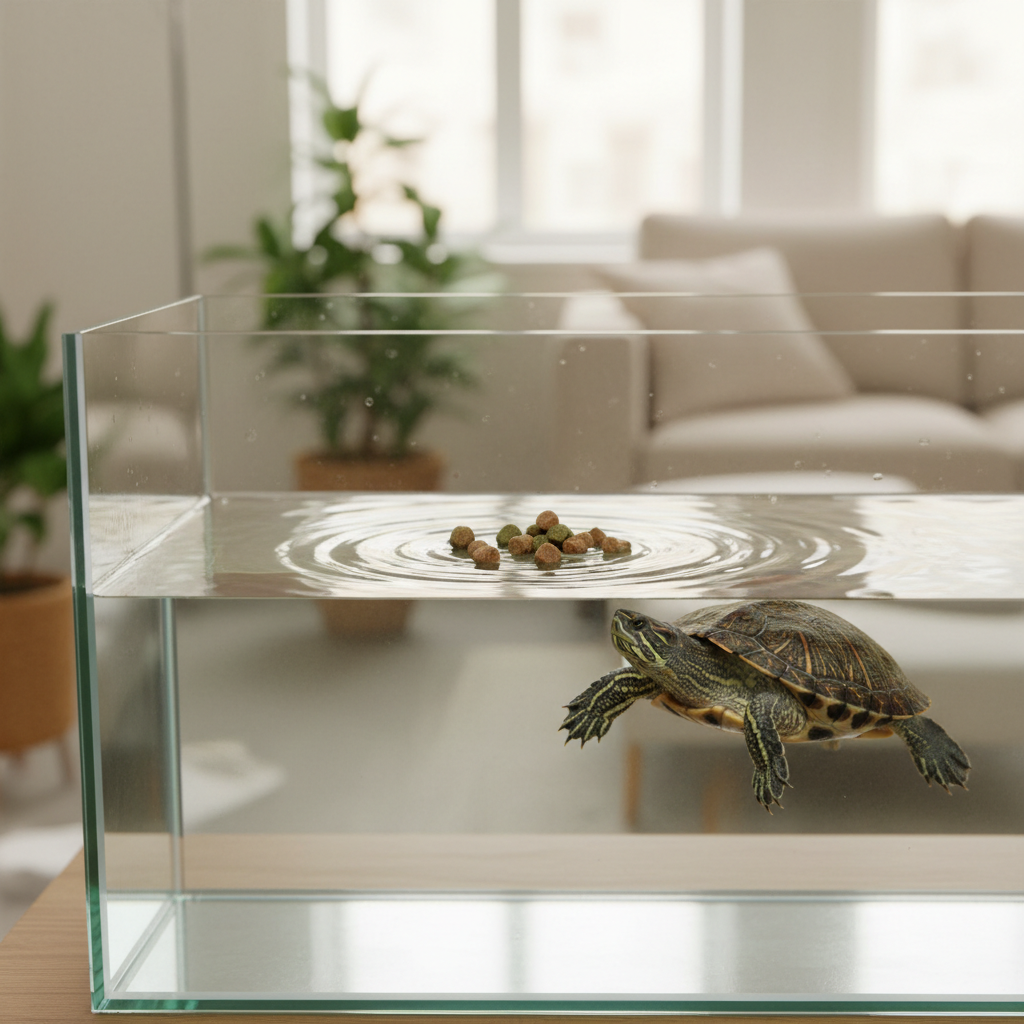
Why floating pellets are often “easy eat” (and when they aren’t)
Many aquatic and semi-aquatic turtles are surface-oriented feeders, especially in captivity where they learn your routine and come up when you walk in.
Floating pellets can help because they’re easier to see, easier to grab, and less likely to disappear into substrate before your turtle gets a chance.
- Visibility: surface food is easier for turtles to locate than sinking bits, especially in tinted water.
- Less chasing: turtles can bite and chew without diving repeatedly, which matters for shy or slower eaters.
- Cleaner habit loop: you can quickly remove leftovers from the surface before they break apart.
But floating isn’t automatically perfect. If the pellets are too large, too hard, or your turtle prefers to eat underwater, you may still see spitting, “testing” bites, or pellets pushed around and ignored.
Quick self-check: are floating pellets the right choice for your turtle?
Before switching brands or buying a huge tub, do a simple check. It saves money and avoids the “drawer of rejected foods” problem.
- Species habits: many sliders and cooters take food at the surface, while some musk/mud turtles may prefer feeding lower in the water column.
- Age and size: juveniles usually need smaller pellets; adults handle larger pieces but still benefit from bite-sized shapes.
- Tank flow: strong filter outflow can push pellets into corners where turtles don’t look.
- Water temperature: cold water often reduces appetite, even if food quality is fine.
- Feeding behavior: if your turtle rushes to the surface when you approach, floating pellets are typically a good fit.
If two or more items above look “off,” fix those basics first, then judge whether your turtle food pellets floating type routine needs an adjustment.
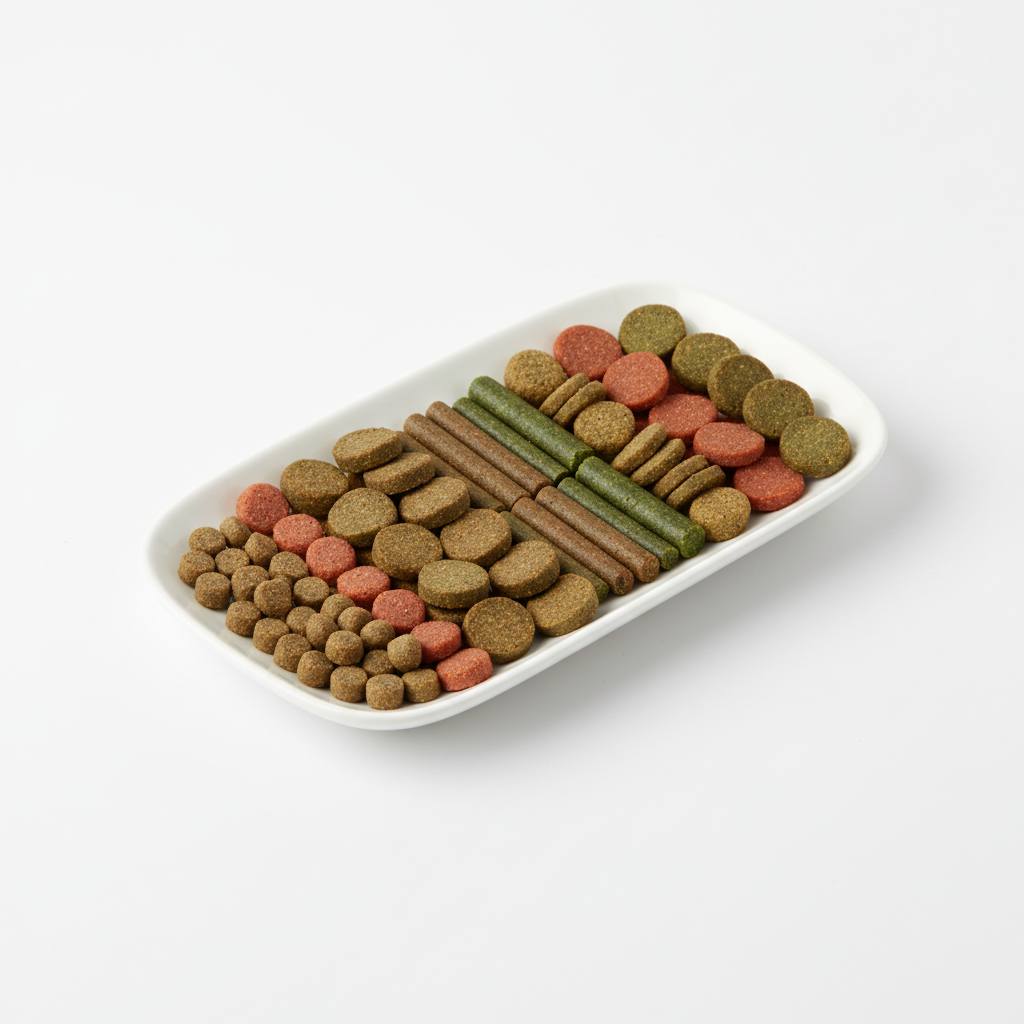
How to choose turtle food pellets floating type: what actually matters
Packaging claims can be noisy, so focus on a few practical signals that tend to track real-world results.
1) Pellet size and texture
“Easy eat” usually means your turtle can bite cleanly without crumbling the pellet into a snowstorm. If pellets are too big, turtles often bite, spit, and try again until they give up.
- For small turtles, look for mini sticks or small pellets.
- For larger turtles, medium pellets work better than oversized chunks unless they’re designed to soften quickly.
2) Float time and stability
A good floating pellet stays intact long enough to be eaten, not long enough to dissolve. If it turns mushy in minutes, it’s harder to control leftovers.
3) Ingredient quality (without overpromising)
In many cases you want a pellet with a clear protein source and a formula intended for turtles rather than generic “pond sticks.” According to Association of American Feed Control Officials (AAFCO) guidelines, pet food labeling and ingredient lists follow defined naming rules, so reading the first few ingredients can still be useful even when you’re not a nutritionist.
That said, ingredient lists don’t tell the whole story. If your turtle eats well, maintains a healthy body condition, and the tank stays manageable, you’re already winning.
Feeding method that reduces waste (step-by-step)
This is where most people see the biggest improvement, even if they don’t change the brand.
- Feed small portions: offer a little, wait, then add more if it’s being eaten. This keeps floating pellets from drifting and breaking down.
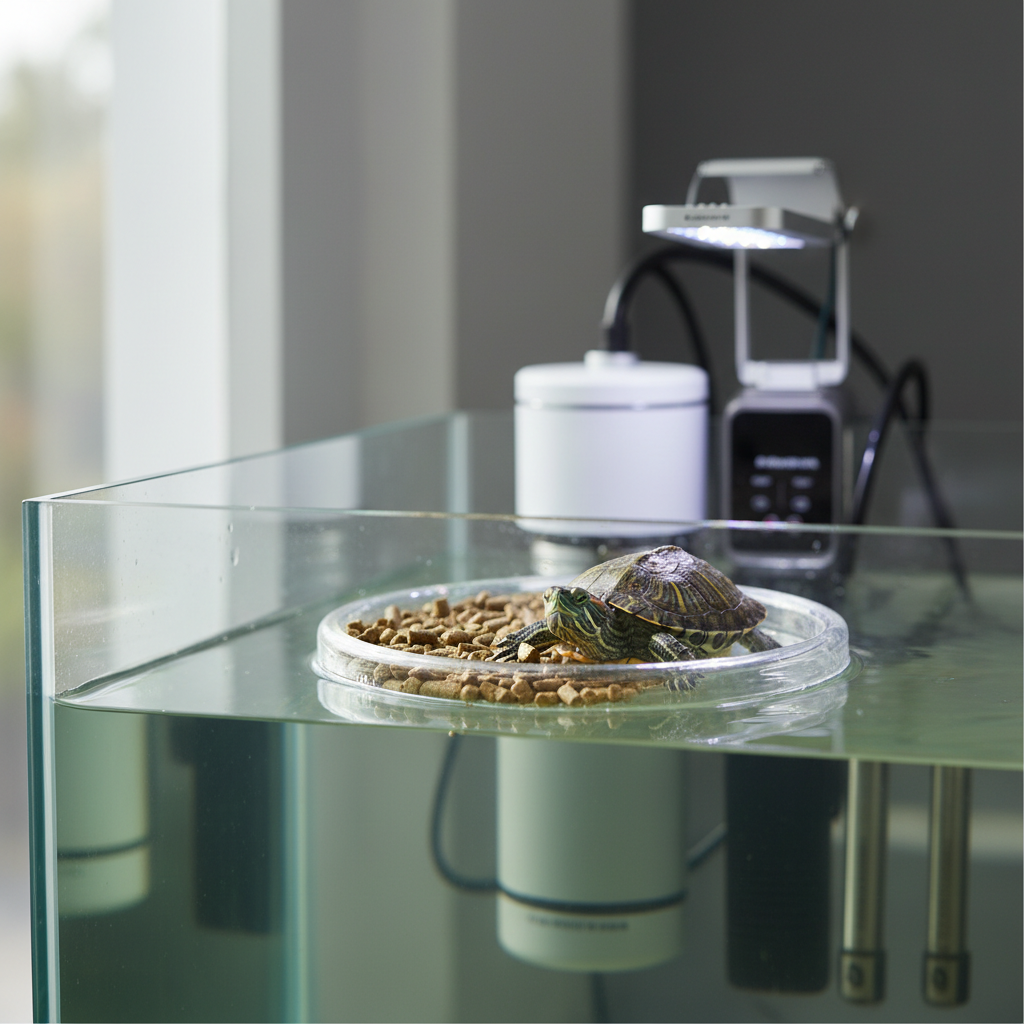
- Use a feeding ring or a calm corner: it stops pellets from spreading across the tank surface.
- Turn down the flow for 10 minutes: if your filter allows it, reducing surface agitation helps turtles aim and bite.
- Remove leftovers quickly: skim what remains after a short window so it doesn’t soften and cloud the water.
If you’re trying a new turtle food pellets floating type product, introduce it over several feedings rather than expecting immediate enthusiasm. Some turtles are weirdly cautious with unfamiliar smells.
How often to feed floating pellets (and what to pair with them)
Pellets are usually a “core” food, but many turtles do better with variety. Overfeeding pellets is also one of the fastest ways to get smelly water.
According to American Veterinary Medical Association (AVMA) general pet care guidance, diet and husbandry should be tailored to the individual animal and discussed with a veterinarian when health concerns show up. For turtles, that often translates into balancing pellets with appropriate greens or other foods depending on species and life stage.
- Juveniles: often eat more frequently and may lean higher-protein, but portions still need control.
- Adults: typically do better with fewer pellet-heavy meals and more plant matter for many common pet species, though it varies.
If you’re unsure, a safe practical move is to treat pellets as the dependable baseline and add small amounts of species-appropriate greens or occasional treats, while watching stool quality and water cleanliness.
Common problems and fixes (quick table)
When floating pellets “don’t work,” it’s usually one of these patterns.
| Problem you see | Likely cause | What to try next |
|---|---|---|
| Pellets ignored at the surface | Stress, cold water, wrong pellet size, poor visibility | Check temps, reduce traffic near tank, try smaller pellets, feed in same spot daily |
| Pellets get pushed into corners | Strong filter flow or no feeding zone | Add a feeding ring, pause flow briefly, choose calmer surface area |
| Cloudy water after feeding | Overfeeding, pellets breaking down, leftovers not removed | Feed smaller batches, skim leftovers, switch to more stable float formula |
| Turtle bites then spits repeatedly | Pellet too hard/large, texture mismatch | Use smaller size, pre-soak briefly, pick a softer “stick” format |
| Fast eater hogs everything | Competition in shared tank | Feed at two zones, use ring + distraction greens, consider separate feeding |
Key points to remember (so it stays simple)
- Portion control beats brand switching for water quality in many tanks.
- Pellet size matters more than people expect, especially for juveniles.
- Floating pellets help you remove leftovers, which is half the battle.
- Routine reduces pickiness, feed at the same place and similar time.
- Diet variety is normal, pellets can be a base, not the only item.
When to get help from a reptile professional
If appetite drops suddenly, your turtle stops basking, has persistent buoyancy issues, wheezing, swollen eyes, or rapid weight changes, food format may be the smallest part of the story. In those cases, it’s smart to consult a reptile-experienced veterinarian, because illness and husbandry problems can look like “picky eating.”
Also consider professional advice if you’re changing diets for a turtle with a known medical history, since supplements and feeding frequency may need tighter control.
Conclusion: a practical way to make floating pellets work
If you want turtle food pellets floating type to be truly easy to eat, start with the basics: correct pellet size, calm feeding zone, and smaller portions you can monitor. Once your turtle consistently eats at the surface and you’re not chasing cloudy water, then it makes sense to fine-tune brand, formula, and variety.
Pick one change to try this week, a feeding ring or a smaller pellet size tends to show results quickly, and take notes for a few feedings so you’re not guessing.
FAQ
- Why does my turtle eat floating pellets some days and ignore them other days?
Appetite can swing with water temperature, stress, and routine. If basking and temps are inconsistent, food interest often follows. Make conditions stable for a week before judging the pellet. - Are floating pellets better than sinking pellets for turtles?
Not universally. Floating pellets are easier to monitor and remove, but some turtles feed more naturally underwater. The “better” option is the one your turtle eats reliably without wrecking water quality. - How many floating pellets should I feed per meal?
Portion needs vary by size, age, and activity. A practical approach is to feed small batches and stop when interest slows, then skim leftovers promptly so you don’t end up with dissolving pellets. - Should I soak turtle pellets before feeding?
Sometimes it helps if the pellets are very hard or your turtle spits them. A short soak can soften texture, but don’t leave them long enough to leach and cloud the water. - My filter pushes pellets everywhere, what’s the easiest fix?
A feeding ring or a calm corner works well. Many keepers also pause strong surface flow for a few minutes during feeding, if the setup allows. - Can I use pond fish floating sticks as turtle food?
Occasionally as a stopgap, but turtle-specific pellets are usually formulated differently. If you’re relying on them long term, it’s worth reviewing nutrition and checking with a reptile vet for species-appropriate guidance. - Do floating pellets cause cloudy water?
The pellets themselves aren’t the only culprit, overfeeding and leaving leftovers to break down is the usual trigger. Floating formats can actually make cleanup easier if you skim what remains.
If you’re trying to dial in a cleaner tank and a calmer feeding routine, it can help to choose one consistent floating pellet, pair it with a simple feeding ring, and track what gets eaten versus what gets skimmed, that small feedback loop is often what makes the whole setup feel “easy” again.