
fish tank air tube soft flexible sounds like a tiny detail, but it often decides whether your bubbles stay steady or turn into noisy, kinked, weak airflow that drives you crazy.
If you run sponge filters, air stones, or small aquarium decorations, tubing is the “plumbing” that makes everything work. When it’s too stiff it pops off, when it’s too soft it collapses under a tight bend, and when it’s the wrong size it leaks air instead of pushing it into the tank.
This guide breaks down what “soft & flexible” really means in day-to-day use, how to pick the right tubing for your setup, and a few practical routing tricks that usually fix 80% of bubble problems without buying a new pump.
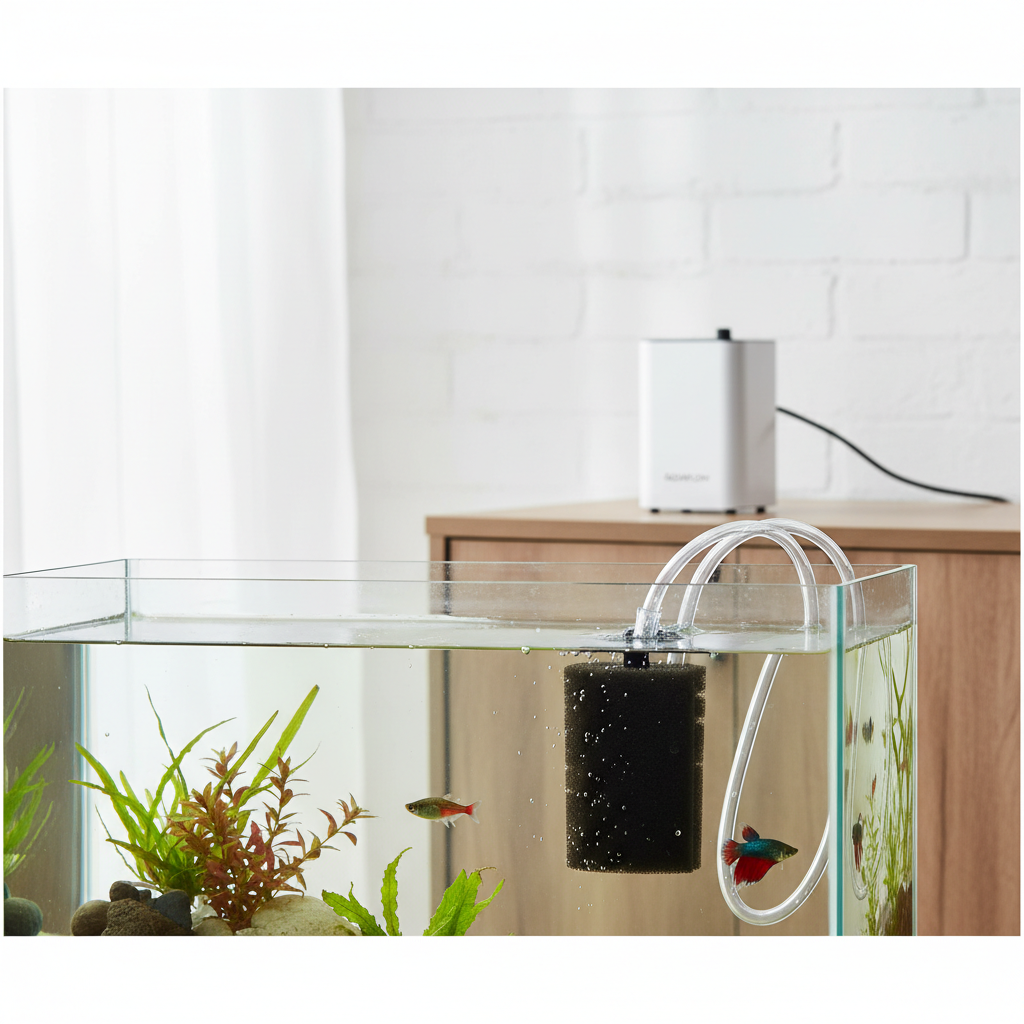
Why “soft & flexible” airline tubing matters
Most tubing problems show up the same way: bubbles get smaller, the pump gets louder, or the line keeps slipping off fittings. Softness and flexibility can help, but only if the material and wall thickness match how you route it.
- Fewer kinks in tight spaces: Behind a stand, around a canister, or under a rim, gentle bends matter more than you expect.
- Less vibration noise: Softer materials can absorb a bit of pump vibration, which sometimes reduces that “buzz” on the back glass.
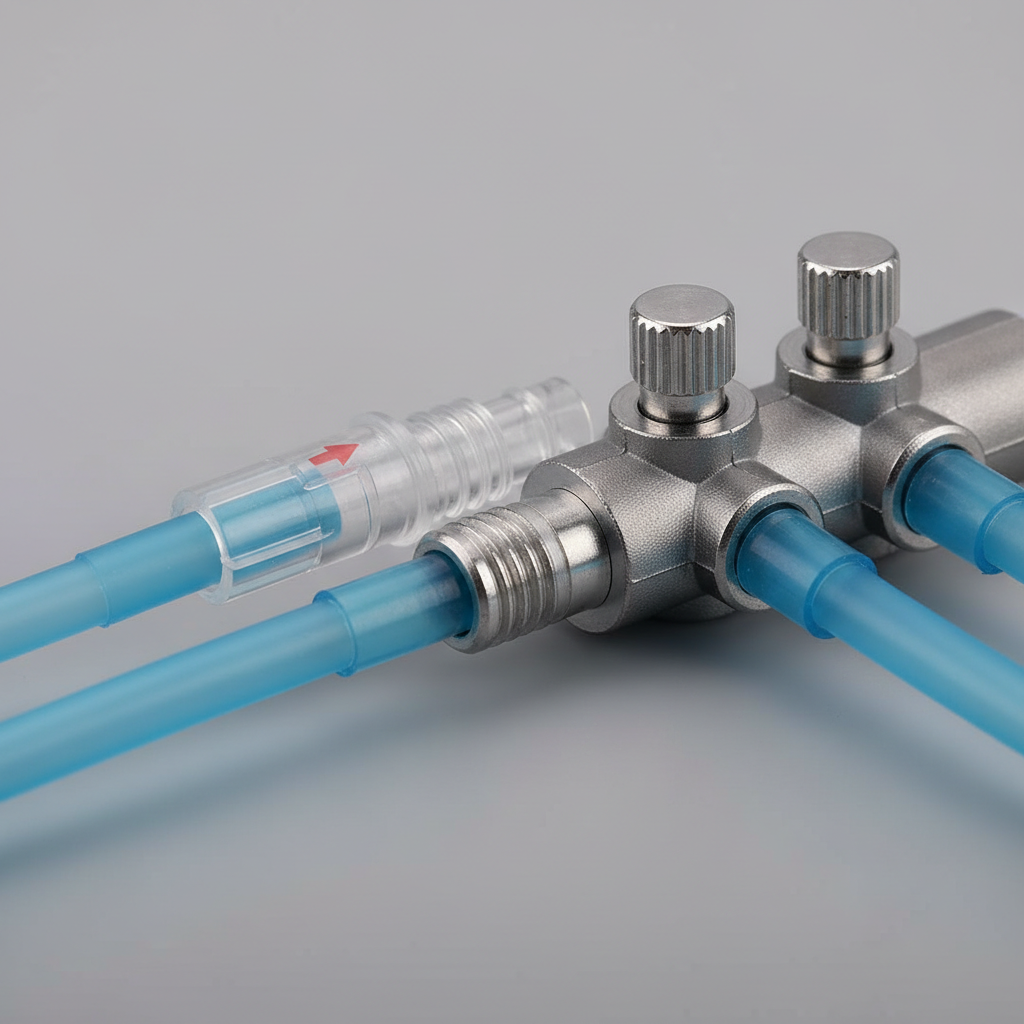
- More reliable connections: The right elasticity helps tubing grip barbed check valves and gang valves without constant re-seating.
- Cleaner routing: Flexible lines tuck away better, so you’re less tempted to stretch the tube across the tank in the worst possible place.
But there’s a catch: super-soft tubing routed with sharp turns can still pinch flat, and very flexible tubing can feel “flimsy” when you push it onto fittings. The goal is controlled flexibility, not spaghetti.
Common tubing materials (and what they’re good at)
In the US market, most aquarium airline tubing is either vinyl (PVC) or silicone. You’ll also see specialty options for CO2, but that’s a different conversation.
| Material | Feel | Typical strengths | Typical drawbacks | Best use |
|---|---|---|---|---|
| Vinyl (PVC) | Medium-stiff, holds shape | Affordable, easy to find, decent grip on barbs | Can harden over time, may kink in tight bends | Simple runs, gentle curves, budget setups |
| Silicone | Soft, very flexible | Great for tight routing, stays flexible longer | Can slip on smooth fittings, may pinch if bent sharply | Crowded cabinets, nano tanks, quiet setups |
When people search for fish tank air tube soft flexible, they’re usually aiming for silicone-like behavior: easy bends, fewer kinks, and a more “premium” feel. That’s valid, just make sure your fittings and routing match the material.
Quick self-check: do you actually need softer tubing?
Before you replace everything, check what’s really causing the airflow drop. Many “tubing problems” are actually routing or clogging problems.
- Your line makes a tight U-turn behind the tank or under the stand, and airflow changes when you nudge it.
- The tube keeps popping off the pump outlet, check valve, or gang valve.
- Bubbles look uneven across the air stone, even though the pump sounds normal.
- The tubing feels stiff compared with when you installed it, or it “remembers” bends.
- Condensation or water collects in a low spot, and the line gurgles.
If two or more apply, switching to a softer line often helps, but you’ll get the best result if you also fix the bend radius and connection points.
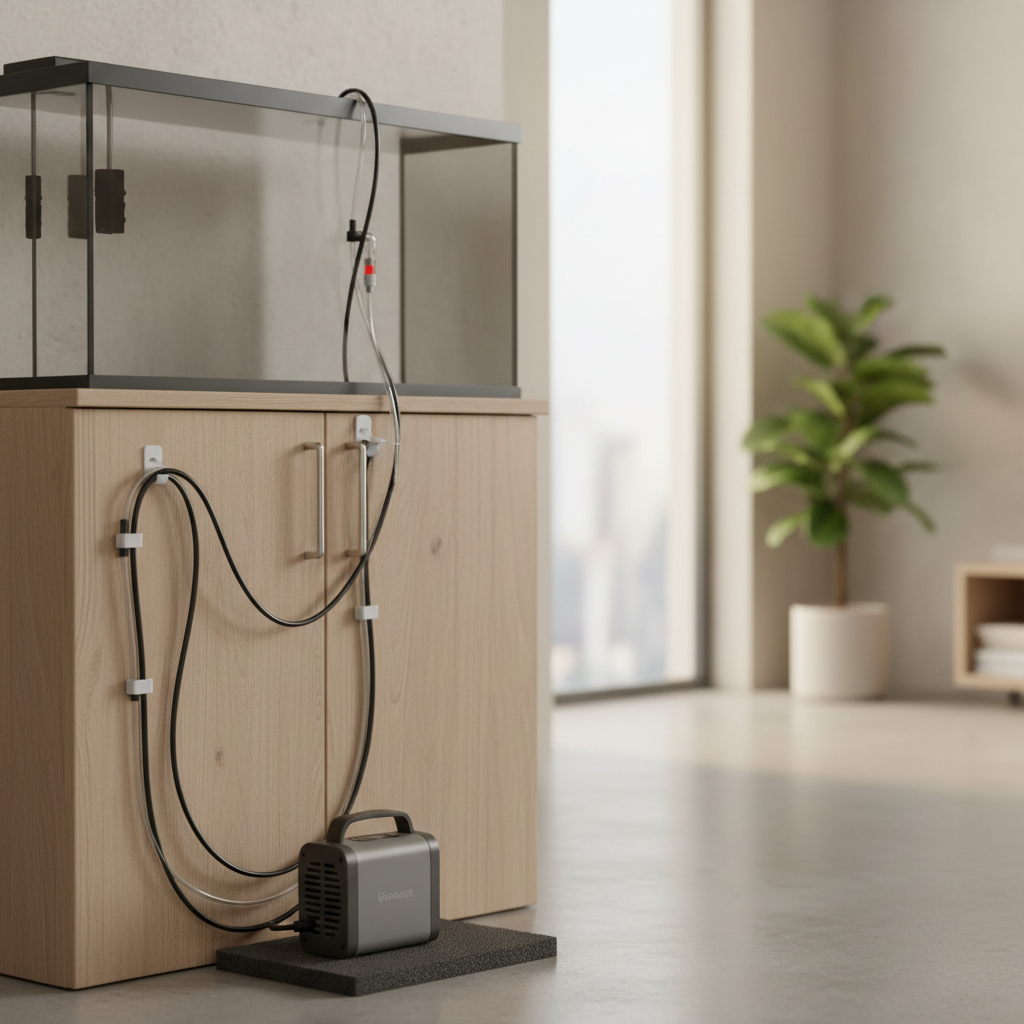
Choosing the right size and “feel” (without overthinking it)
Most aquarium air accessories in the US assume a standard airline size, but “standard” still varies slightly by brand. That’s why a tube can be both soft and still annoyingly loose on a valve.
What to look for when buying
- Inner diameter match: If your check valve or gang valve is slightly oversized, very soft tubing may not clamp tightly without a snug fit.
- Wall thickness: Thin-wall tubing bends easily, but it also collapses easier on sharp turns. Slightly thicker walls often behave better.
- Clarity vs. algae visibility: Clear tubing makes water backflow and debris easy to spot, but it also shows green buildup sooner.
- Length planning: Too short forces sharp bends; too long invites droops and water traps. Measure your run with a little slack.
Key takeaway
Buy softness for routing, buy thickness for stability. If your line must make tight turns, soft helps. If it must hold a shape across a longer run, a slightly firmer line can behave better.
Installation tips that prevent kinks, leaks, and noise
A new fish tank air tube soft flexible won’t fix much if it’s installed the same way the old one failed. These are the small steps that usually make the difference.
- Cut square, not angled: A clean, straight cut seals better on barbed fittings and reduces slow leaks.
- Warm the last inch (optional): If tubing is stiff, a short dip in warm water can help it slide onto fittings. Avoid very hot water that could deform it.
- Avoid “hard corners”: Route with gentle curves. If you need a sharp turn, consider a small elbow connector rather than forcing the bend.
- Use clips or adhesive mounts: Prevents the line from pulling on your air stone or sponge filter when you move the tank lid.
- Put the pump on padding: A foam pad or folded towel can reduce vibration transfer to the stand.
According to the U.S. Consumer Product Safety Commission (CPSC), products in the home should be used following manufacturer instructions and basic safety practices. With air pumps that means stable placement, dry location, and avoiding water contact around outlets and cords.
Troubleshooting weak bubbles: a practical checklist
When airflow drops, people often blame the pump first. In reality, tubing and accessories cause plenty of “mystery” restrictions.
Run these checks in order
- Check valve direction: Many are one-way and silently block air when reversed.
- Water in the line: Look for a low dip where water collects. Re-route to eliminate the trap.
- Clogged air stone: If the stone is older, soak and clean per manufacturer guidance, or replace if it stays restricted.
- Leaky connections: Listen for a faint hiss near the pump and valves, then reseat the tubing.
- Kink points: Gently straighten the run, if bubbles surge, you found the choke point.
If you’re switching to a softer line and it feels like it slips off, you may need a slightly longer push onto the barb, or a different brand of valve with deeper barbs. In some setups, a tiny zip tie can work as a clamp, but don’t over-tighten and cut into the tubing.
Care and replacement: keeping tubing flexible (and the tank safer)
Tubing is consumable. It doesn’t fail dramatically, it just slowly becomes less cooperative.
- Monthly glance test: Look for hardening, cloudiness, algae film, or flattened sections where it was pinched.
- Clean only when it makes sense: Light biofilm is common; heavy buildup can restrict air. If you clean, rinse thoroughly and avoid harsh chemicals that might leave residues. When unsure, replacing is often simpler.
- Replace after repeated slipping: If you keep reseating connections, the tube end may be stretched or hardened.
- Electrical safety mindset: Keep drip loops on cords and place the pump above waterline when possible, or use a check valve to reduce back-siphon risk. If you’re not sure what’s safest for your layout, consider asking a qualified aquarium professional.
According to the American Veterinary Medical Association (AVMA), good pet care includes maintaining a safe environment. For fishkeeping, “environment” includes equipment placement and reducing avoidable hazards like water near power strips.
Conclusion: what to buy and what to fix first
If your current line kinks, hardens, or makes routing feel like a wrestling match, a fish tank air tube soft flexible upgrade usually pays off fast, especially in tighter stands and smaller tanks. Still, the bigger win often comes from pairing that tubing with smarter bends, solid connections, and one clean re-route that removes water traps.
Action steps: measure your run, choose tubing with a bit of extra length and decent wall thickness, then re-route with gentle curves and secure the line so it stops tugging on fittings. If bubbles still look weak, treat the air stone and check valve as suspects before you blame the pump.
FAQ
What is the best material if I want very soft and flexible airline tubing?
Many hobbyists prefer silicone when they want maximum flexibility. Just watch for slipping on smooth fittings, and push it fully onto barbs for a tight seal.
Can soft tubing reduce air pump noise?
Sometimes, yes, because it can dampen vibration a bit. Noise reduction usually improves more from pump placement, padding, and eliminating rattles against the stand.
Why does my airline tubing keep kinking even after I replaced it?
Kinks usually come from tight turns or the tube being forced into a sharp bend behind the tank. Re-routing with wider curves, or using an elbow connector, often fixes it.
How do I know if my tubing size matches my accessories?
If it slides on too easily and pops off, it may be slightly oversized or too soft for that barb. If it’s extremely hard to push on, it may be undersized or the barb is larger than typical.
Is it safe to use zip ties or clamps on aquarium air tubing?
It can be, but it’s easy to over-tighten and pinch the line, which reduces airflow. If you try it, use gentle tension and check bubbles after tightening.
How often should I replace aquarium airline tubing?
It depends on material, heat, and how it’s routed. Replace when it hardens, discolors heavily, develops micro-cracks, or you’re constantly chasing leaks and slipping connections.
Do I need a check valve with my air pump?
In many setups it’s a good idea, especially if the pump sits below the waterline, because it can help reduce backflow risk. Make sure it’s installed in the correct direction.
If you’re trying to clean up a messy cabinet, quiet down bubbles at night, or stop fighting kinked lines every time you open the lid, switching to softer tubing and re-routing once with the right accessories can be a pretty low-effort upgrade that makes the whole tank feel easier to manage.